Get Full Government Meeting Transcripts, Videos, & Alerts Forever!
Get email alerts on the Education topic
No spam. Unsubscribe anytime.
Owens and witnesses debate school performance, DEI spending and accountability in College Cost Reduction Act hearing
Summary
Rep. Burgess Owens said U.S. student outcomes lag despite high per‑pupil spending, urged parental choice and accountability. Witnesses criticized diversity, equity and inclusion contracts and said the College Cost Reduction Actwould reward institutions that enroll and graduate low‑income students, not deter them.
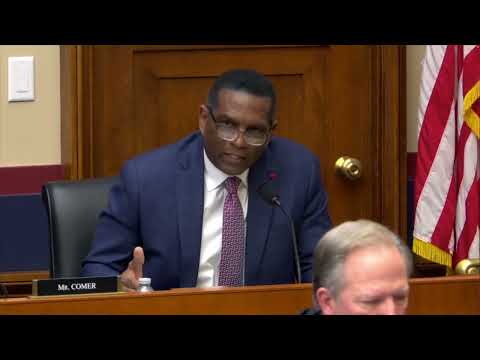
Congressman Burgess Owens, the vice chairman of the committee, opened a hearing on the state of American education by saying the country is spending more per pupil than nearly every industrialized nation while many students fail basic reading and math standards.
"We pay more per child than any industrialized country except Luxembourg, and yet 60% of our fourth graders, 70% of our eighth graders are failing based on the NAEP reading and math proficiency scores," said Congressman Burgess Owens, vice chairman of the committee from Utah. He urged "correction through innovation" and said parental choice, including voucher programs, should be part of the response.
The hearing brought testimony about district spending on diversity, equity and inclusion (DEI) consultants and the accountability measures in a pending bill. "In 2021, we released what we called our consultant report card. We identified over a hundred consultants with hundreds of contracts in dozens of districts across the country, making money hand over fist, encouraging districts to do things like privilege walks, privilege bingo, things that are not helping children but are actively hurting them," said Miss Taylor, a witness who testified about DEI consulting contracts. Taylor cited a study by the Network Contagion Research Institute and argued some DEI programming increases divisions among students.
Dr. Cooper, another witness, addressed concerns that market‑based accountability or performance funding would cause colleges to avoid enrolling low‑income students. "My analysis of the College Cost Reduction Act . . . found the exact opposite of what the critics alleged. We find that open access institutions, community colleges, regional public 4 years would actually benefit from the College Cost Reduction Act because the CCRA rewards schools for enrolling, low income students and also serving them well," Cooper said, adding the bill ties rewards to enrollment, graduation and post‑graduation earnings.
Owens referenced specific demographic data in arguing for choice and accountability, saying that parents in some ZIP codes were seeking voucher programs and that troubling proficiency rates are concentrated in some urban districts. He also cited a 2017 finding he said showed 75% of Black boys in California unable to read and write; the witness testimony and other speakers at the hearing discussed those figures as context for federal policy options.
No formal votes or committee actions were recorded in the transcript excerpt provided; the record reflects questioning and back‑and‑forth among the chair, vice chairman and witnesses about policy design and evidence.
The hearing emphasized three recurring themes: measurable student outcomes on NAEP and other assessments; the role and cost of DEI consultants in K‑12 districts; and whether the College Cost Reduction Act's accountability provisions would discourage or encourage institutions to enroll and educate low‑income students. Committee members said they would follow up with written questions for witnesses.
The chairman closed the exchange after acknowledging the vice chairman's remarks and declining a lighthearted wager about a Super Bowl pick.