Get Full Government Meeting Transcripts, Videos, & Alerts Forever!
Get email alerts on the Fleet Management topic
No spam. Unsubscribe anytime.
General Services says fleet strain driving outside repairs; city funds comprehensive study
Summary
General Services officials told the Budget & Finance working group that a shortage of in‑house mechanics and rising labor rates have forced outsourcing of vehicle repairs, and the department will commission a comprehensive fleet study funded in the CSP to define replacement needs and funding options.
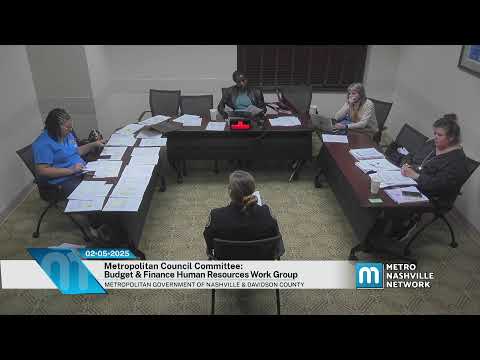
General Services leaders told a Budget & Finance working group they have moved part of the city fleet‑repair workload to outside vendors in recent years because of difficulty recruiting and retaining qualified mechanics and technicians.
Gerald Smith, director of General Services, said retention of trained auto and diesel technicians has become harder as private‑sector shops offer higher take‑home pay and signing bonuses. Jennifer Johnson, human resources manager for General Services, said the department worked with central HR to relax some experience requirements and to aggressively recruit at local technical schools and high‑school career programs.
Stacy, a General Services operations representative who addressed the working group, said the department has made progress: fleet vacancies have fallen in the past year and several candidates have start dates in hand. But staff said specialized repairs—large engine replacements, certain heavy apparatus overhauls and other high‑cost interventions—remain more economical and less risky when done by experienced vendor shops.
Smith told the committee General Services is funded in the Capital Spending Plan to undertake a comprehensive fleet study, including replacement timelines, electric‑vehicle infrastructure needs and a recommended annual funding level for a replacement program. The study is intended to move Metro toward a regularized replacement schedule and away from an ad‑hoc “feast‑and‑famine” approach in which some years produce big purchases while other years go unfunded.
The department also acknowledged deferred maintenance in buildings and said it has started a facility condition assessment for Metro general‑government buildings (excluding schools) to quantify deferred needs. Smith said the assessment could surface a multi‑year, multi‑million‑dollar backlog and that the city needs a consistent funding approach rather than episodic allocations.
Committee members pressed for clearer estimates and timelines; General Services said it will report back with the fleet‑study scope and schedule and will provide more detailed vacancy and utilization reports to the working group.