Get Full Government Meeting Transcripts, Videos, & Alerts Forever!
Get email alerts on the Livestock Collisions topic
No spam. Unsubscribe anytime.
Utah committee backs bill creating rebuttable presumption that motorists bear liability in open-range livestock collisions
Summary
The Senate Transportation Committee gave a unanimous favorable recommendation to a substitute version of Senate Bill 113, which would create a rebuttable presumption that motorists — rather than livestock owners — are liable for collisions with animals in defined open-range areas.
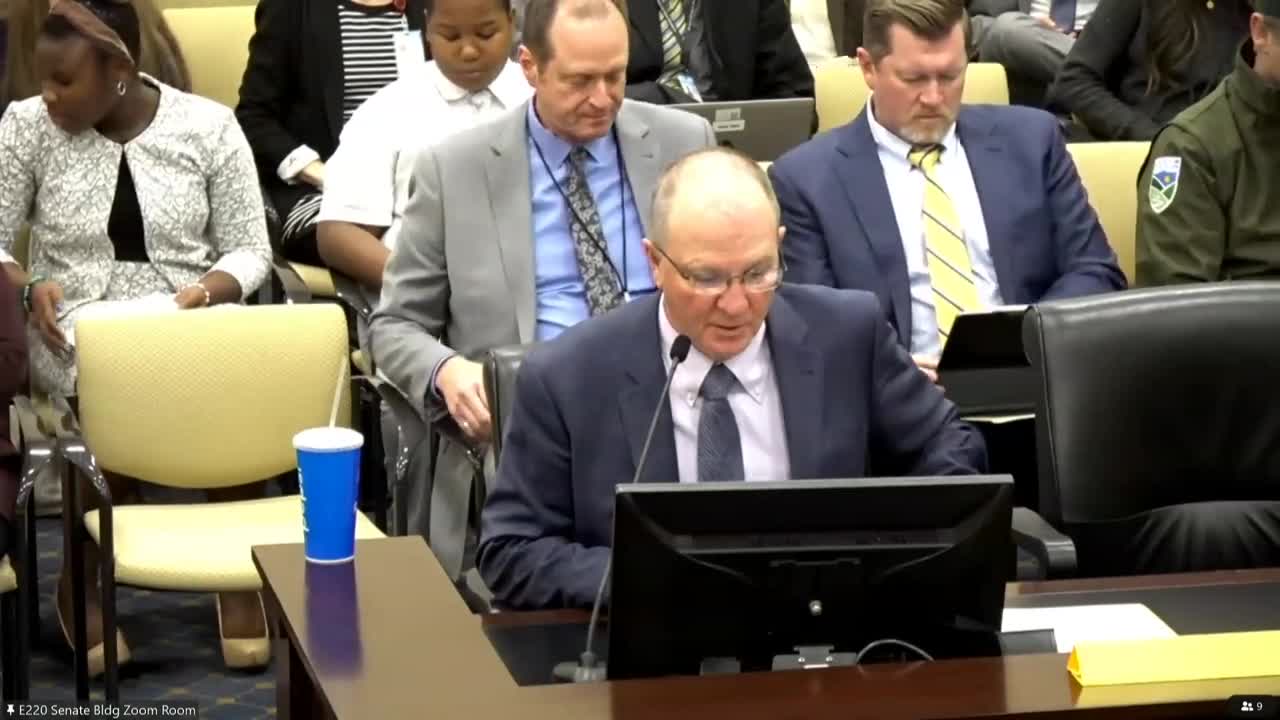
The Senate Transportation, Public Utilities, Energy and Technology Standing Committee unanimously recommended a substitute version of Senate Bill 113 on a motion to pass the bill out favorably to the Senate floor.
The bill, introduced by Senator Sandel, would add a rebuttable presumption in civil actions that collisions with domestic livestock in defined “open range” areas are the motorist’s liability unless the livestock owner rebuts the presumption. The sponsor told the committee the change is intended to address confusion among insurers and to limit disputes over whether an owner was negligent when animals are accustomed to crossing public highways.
The billmaker said the current code (lines 31–33 in the draft bill) does not impose a presumption and that the new language would create a rebuttable presumption that the motorist was at fault. Senator Sandel told the committee he has worked with trial attorneys and expects to bring a drafting amendment that incorporates an established statutory definition of open range from Utah Code section cited in committee discussion (Utah Code 4-24-102 was referenced for definition material). He said that drafting will be filed before the bill reaches the floor.
Witnesses from agricultural and legal groups said they support the revised language. Russ Hymas, speaking on behalf of the UHA (identified in testimony as the State Trial Lawyers Association), told the committee he and his members had worked with the sponsor on language and that the amendment under consideration narrows the bill to situations where livestock are permitted to travel on or near roadways rather than fenced-out or “closed range” situations. Wade Garrett, vice president of the Utah Farm Bureau, said loss of livestock can be devastating for producers and that the group supports the clarification in the substitute.
Committee members asked practical questions about signage and scope. Senator Reby asked whether designated areas would be signed to warn motorists; the sponsor and others agreed that presence or absence of warning signs could be relevant in a negligence inquiry and that sign placement could factor into rebuttal of the presumption. Senator Ipsen asked whether the change would be retroactive; the sponsor said it would not be retroactive.
On the committee motion, Senator Reby moved that substitute SB 113 be sent with a favorable recommendation; the committee voted unanimously in favor. The sponsor said he will file a technical substitute adding the statutory open-range definition before the bill reaches the floor.
Votes at a glance: Substitute SB 113 — committee favorable recommendation (unanimous vote).
Context and next steps: Committee testimony indicates stakeholders agree to a drafting amendment incorporating an existing open-range definition; the sponsor intends to file that drafting change before third-party review on the floor. The bill text discussed in committee ties the presumption to “open range” conditions and does not extend to animals that have escaped fenced enclosures or typical household pets.