Get Full Government Meeting Transcripts, Videos, & Alerts Forever!
Get email alerts on the Child Welfare topic
No spam. Unsubscribe anytime.
Utah committee backs bill to reserve portion of federal survivor benefits for children in state custody
Summary
The House Health and Human Services Committee voted to advance HB302 (second substitute), which would require Utah to identify federal survivor benefits that belong to children in state custody, place the funds into protected accounts, and preserve at least half for the child when they exit custody.
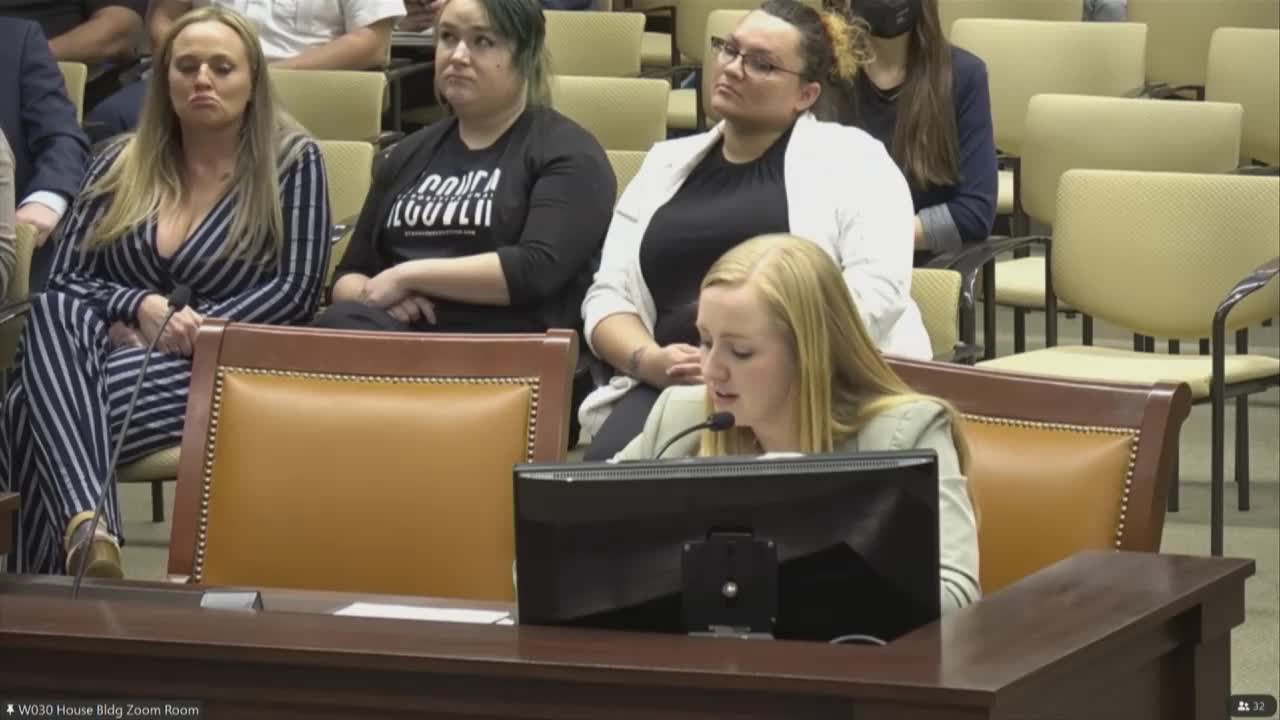
Representative Fiafia, sponsor of HB302, told the House Health and Human Services Committee the bill aims to ensure “federal benefits intended for children in state custody are identified, protected, and used for their direct benefit rather than being absorbed into the system.”
The bill responds to an accounting problem the sponsor described: when a parent dies, federal survivor benefits such as Social Security survivor payments, railroad retirement survivor benefits or veterans benefits can flow to the state and be used to offset the cost of care for all children in custody rather than being preserved for the child who was the intended recipient. Representative Fiafia said Utah took about $2.2 million last year from 464 children in custody (an average of about $5,000 per child) and $21 million since 2015.
HB302 (second substitute) requires the Department of Health and Human Services (DHHS) to determine eligibility for such benefits within 60 days of a child entering custody and to place identified funds into protected accounts such as ABLE accounts or other trust options the bill allows. The bill sets a default split of up to 50% that may be used for the child’s current essential needs while the remainder must be preserved for the child at exit from custody. It also mandates annual financial statements for transparency and financial-literacy training for youth who will receive funds upon leaving custody.
Ashley Iono, support coordinator with Brighter Futures Foster Care Agency, described a client who receives SSI and “has maybe $50 left for the month” after room and board and other expenses, and said HB302 would “help her to have a successful life outside of foster care.”
DHHS legislative affairs director Paul Rafe said the department supports the concept but raised implementation concerns. Rafe said the department needs more time to set up accounts and administrative processes and suggested a later implementation date (he referenced July 1, 2026, as preferable). He told the committee the attorney general’s office and the department lack the present capacity to create and manage the accounts at the bill’s original effective date and estimated setup costs of about $2,000 per account plus ongoing administrative expense. DHHS also flagged Medicaid “spend down” and eligibility complexities for some youth if cash or account balances exceed program limits.
Committee members questioned account types and access. Representative Acton asked whether funds would be delivered as a lump sum at age 18 or kept in trust; Representative Fiafia and DHHS staff explained that the bill recommends ABLE accounts to protect eligibility for means-tested benefits (the bill text also allows special-needs accounts and 529s in certain circumstances). DHHS deputy director David Littfack said the department is already using some ABLE accounts and internal trust accounts but that different account types may be required depending on the youth’s disability and program eligibility.
Committee members pressed the sponsor on why the bill allows the state to retain up to 50% of benefits. Representative Fiafia said the original draft sought 100% protection but he negotiated a 50% split with DHHS to avoid immediate budget shortfalls that could reduce services to other children in custody; he said a future follow-up bill could pursue additional changes.
After discussion, Representative Monson moved to adopt the second substitute and the committee approved the substitute. Representative Fitzsimona then moved that the committee pass HB302 (second substitute) with a favorable recommendation; the motion carried on a voice vote.
The bill directs DHHS to apply for any needed Medicaid waiver related to account treatment and to provide annual accounting for funds placed in the accounts. The committee record shows continued DHHS-sponsor work to clarify waiver language and operational details.
Notes: the committee’s actions were recorded as voice votes; the committee did not record a roll-call tally in the transcript.