Get Full Government Meeting Transcripts, Videos, & Alerts Forever!
Get email alerts on the Immigration And Community Safety topic
No spam. Unsubscribe anytime.
Half Moon Bay hearing highlights immigrant-rights outreach as local nonprofits report spike in fear and rumors
Summary
City staff and three local nonprofits summarized community outreach and verification work after a rise in rumors and fear of immigration enforcement; county protections were reiterated and the sheriff's office said it does not cooperate with immigration agencies.
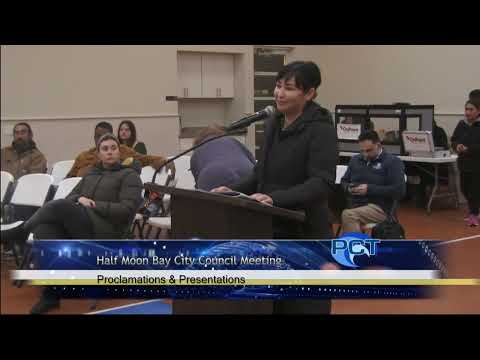
Mayor Kevin Brownstone and city staff invited three local nonprofits to update the City Council and community Tuesday on outreach and services for immigrant residents amid rising fears of immigration enforcement.
Karen Decker, the city’s economic and community vitality manager, introduced the panel and said the city and local nonprofits work closely to reach hard-to-reach residents. Decker said the three organizations presenting—Coastside Hope, ALAS, and Puente de la Costa Sur—collectively serve about 5,900 people a year and often mobilize together around urgent needs such as the pandemic, wildfires and business closures.
Judith Guerrero, executive director of Coastside Hope, described the groups’ recent work hosting “know your rights” sessions, expanding legal-advocacy partnerships and coordinating rapid verification when rumors circulate that immigration agents are operating in the area. Guerrero, speaking as both a provider and a longtime immigrant resident, urged the council to “stand with us” and continue the city’s welcoming practices.
An ALAS representative explained the workload created by unverified reports. The county hotline received 150 calls in a single day; many were rumors, the representative said, but some callers reported direct threats and hateful messages. That group described process steps: verifying reports, identifying callers, contacting affected families, and making follow-up calls to limit rumor spread.
Rita Mancera, executive director of Puente de la Costa Sur (participating by Zoom), asked the city to designate a staff liaison to coordinate with the three nonprofits so the city can use its communication channels to share verified information quickly. Mancera said the nonprofits can mobilize verification and reassurance, which would help people continue daily activities such as work and school.
Mayor Brownstone and several council members emphasized that San Mateo County already classifies itself as a sanctuary jurisdiction and that the sheriff’s office does not coordinate with federal immigration enforcement. Captain Cheechoff of the sheriff’s office said his agency “does not cooperate with any immigration agency,” adding they do not allow immigration agents into jails and do not share information for immigration enforcement.
Council members discussed next steps, including convening a nonprofit cohort and coordinating with schools and employers on their response plans. The city manager’s office said staff will convene the nonprofit cohort (a meeting was scheduled the next day) and the item is agendized for further discussion. Mayor Brownstone and Council Member Deborah Penrose suggested the city consider issuing timely public bulletins that verify or refute specific rumors when appropriate, while staff noted the need to coordinate with existing county verification processes to avoid mixed messages.
Why it matters: presenters said fear and rumors about immigration enforcement can disrupt families’ lives and livelihoods and that rapid verification and clear city communication could reduce panic. Several speakers warned that arrests can leave families without a breadwinner and increase trauma for children.
What the council did next: there was no formal motion or vote on policy changes during the presentation. Council members directed staff to continue coordinating with the nonprofit cohort and to report back; the nonprofits requested a city liaison to improve rapid information-sharing.
Community comments and follow-up: public commenters and council members offered suggestions including preparing school and employer plans, issuing a city verification bulletin when appropriate, and considering whether an express local declaration (for example, a city sanctuary resolution) would add reassurance even though the county-level protections are already in place. Decker noted the county’s January 28 Board of Supervisors action reaffirming protections for vulnerable communities.
Provenance: The council discussion and presentations began when Karen Decker introduced the item and the three nonprofit speakers (transcript remarks beginning at the city’s roll call and the presentation introduction), and concluded after Captain Cheechoff’s remarks clarifying the sheriff’s office position.