Get Full Government Meeting Transcripts, Videos, & Alerts Forever!
Get email alerts on the Election Finance Enforcement topic
No spam. Unsubscribe anytime.
Elections Office Describes Complaint Process, Enforcement Limits and Staffing Needs
Summary
The Lieutenant Governor nd elections director told the appropriations subcommittee how complaints on campaign finance are handled, the split between civil and criminal referrals, and that staffing and outdated systems limit proactive enforcement.
The General Government Appropriations Subcommittee heard an overview of how the Lieutenant Governor's Office receives and resolves complaints about campaign finance and election-related violations.
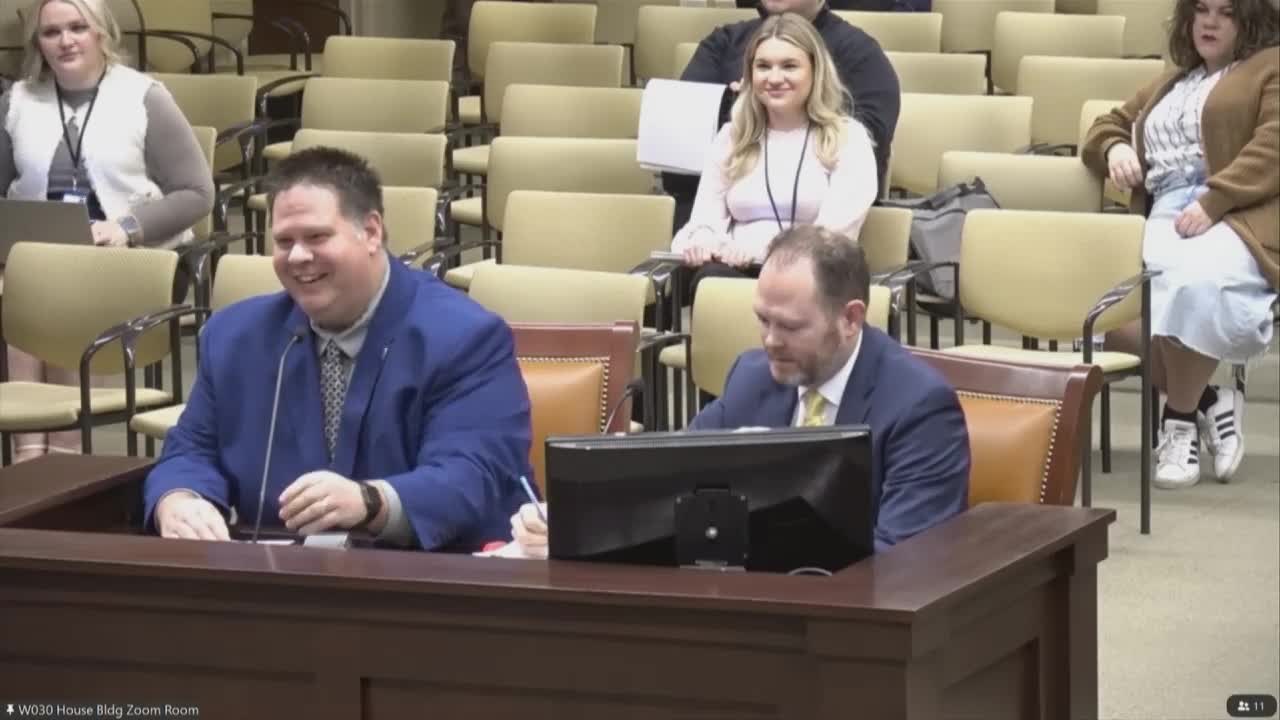
Ryan Cowley, director of elections in the Lieutenant Governor's Office, told the panel the office triages complaints in writing, gives subjects an opportunity to cure many finance-reporting issues (typically within about a week), and refers matters with possible criminal elements to the state Attorney General's Office. Civil, noncriminal noncompliance can lead to fines or removal from the ballot if a candidate fails to cure reporting violations, Cowley said.
Cowley told lawmakers that last year his office reviewed the transactions filed in campaign finance reports and that review took from January filings through July; the team examined individual transactions and matched contributions the way an audit would. He said the office has asked the legislature for funds to replace the 15-year-old reporting system with a more searchable, user-friendly platform that would allow municipalities and special districts to use the same system.
When asked for data, Cowley said the office referred five complaints to the Attorney General's Office, referred three complaints to county prosecutors for local investigation, resolved two complaints by clarifying code interpretation, completed two preliminary inquiries that required no further action, secured one paid fine, and resolved another complaint by ensuring an organization registered appropriately on disclosures.utah.gov. He offered to provide the committee a fuller breakdown of routine fines and other enforcement actions.
Cowley said the campaign finance code is complex and can be particularly difficult where organizations or individuals outside Utah interact with local campaigns. He described the office as largely complaint-driven: the public and other campaigns perform an important oversight role by scrutinizing publicly filed reports, and the office follows up on reported issues and on its transactional reviews.
Lawmakers raised enforcement concerns for repeat violators and the boundaries of local versus state jurisdiction. Cowley said criminal allegations require referral to the Attorney General or local prosecutors and confirmed that certain violations (for example, use of government resources for political purposes) can carry a $200 fine. The director acknowledged resource limits and supported an interim review to simplify reporting requirements and clarify the law.
The subcommittee's discussion ranged to operational topics including uneven training on poll-site signage enforcement and the possible need for clearer statutory language or new funding for a modernized reporting system that would improve transparency and help the office be more proactive.
No formal legislative action was taken on enforcement at the meeting; Cowley and lawmakers agreed follow-up discussion in the interim would be useful.