Get Full Government Meeting Transcripts, Videos, & Alerts Forever!
Get email alerts on the State Fees Apostille Notary topic
No spam. Unsubscribe anytime.
Lawmakers Press Lieutenant Governor—or Explanation After Apostille, Notary Fees Far Exceed Costs
Summary
The General Government Appropriations Subcommittee heard that Utah—ollects far more in apostille and notary fees than the Lieutenant Governor's Office spends to provide the services; staff and office leaders outlined historical reasons and potential management options.
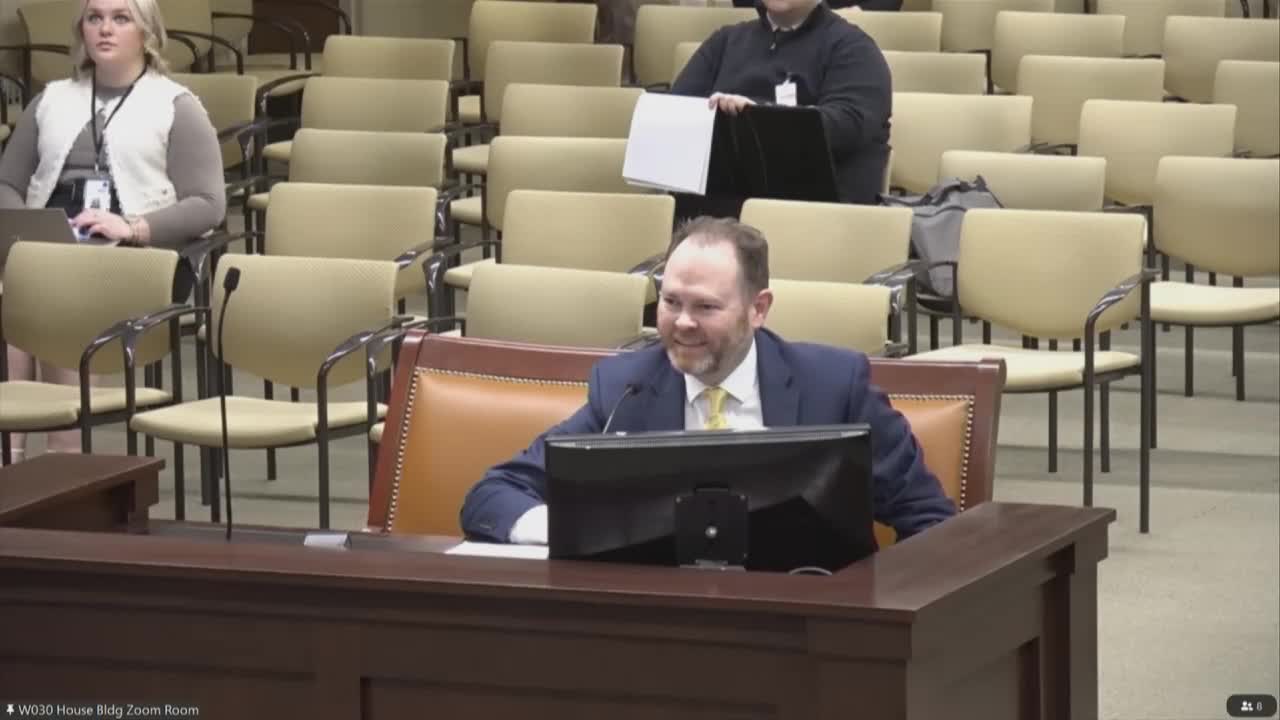
The General Government Appropriations Subcommittee on [date not specified] heard that Utah collects substantially more revenue from apostille and notary fees than the Lieutenant Governor's Office spends to provide those services.
Duncan Evans, senior managing director of budget and operations in the governor's office, told the panel that estimated collections for apostilles in the current fiscal year are about $1.2 million while the direct expenses are roughly $300,000, leaving approximately $900,000 in excess collections. He said about $500,000 of the total comes from expedited, premium fees charged for same-day or next-day processing.
The discrepancy dates in part to a large fee increase in February 2008, Evans said, when the notary fee rose from $20 to $75 and the apostille fee rose from $5 to $15. That change shifted a much larger share of the lieutenant governor's office budget onto fee revenue, he told the committee, and later cost-of-living and internal service fund (ISF) charge increases have been applied against that higher fee-funded base.
The effect, Evans said, is structural: by setting fees high in 2008, the office covered a much larger portion of personnel and administrative costs with fee revenue, and subsequent adjustments to pay and ISF rates were charged proportionally. "If you were to cut those fees, you no longer have money to pay for that personnel," Evans said.
Lila, the office administrator in the lieutenant governor's office who supervises authentication staff, described the work flow for apostilles and the variable level of effort. She said some documents (for example a registrar-signed birth certificate) take only a few minutes to authenticate, while other notarized documents may take 15 minutes or more because staff must verify the notary's commission and that the notarization was performed correctly.
Committee members pressed whether the fee structure should be revised. Representative Thurston said the committee's role is to scrutinize fees and asked staff to look at apostille fees as an outlier. Evans and Yvonne (from LFA) confirmed the statutory fee-setting process contemplates agencies may set fees above cost in some cases but said the committee could adjust statutory fee language or reduce fees if it chooses.
Evans and Lila also told the panel that Utah issues a high volume of apostilles compared with many states: the office processed about 34,000 apostilles in 2024 and averages roughly 40 apostilles per day, while several other states reported 15,000'0,000 annual apostilles and longer turnaround times. Most other states do not charge an expedited same-day fee, Evans said.
Committee members asked staff to return with recommendations on whether fees should be lowered and how any reduction would affect staffing and other services paid from fee revenue.
The subcommittee did not take a formal vote on fee changes at the meeting; chairs encouraged members to raise proposed fee motions in advance of the committee's final voting session so staff can prepare motions and language.