Get Full Government Meeting Transcripts, Videos, & Alerts Forever!
Get email alerts on the Telecommunications Infrastructure Theft topic
No spam. Unsubscribe anytime.
Committee hears bill to raise civil penalties for scrap dealers who handle stolen telecom copper
Summary
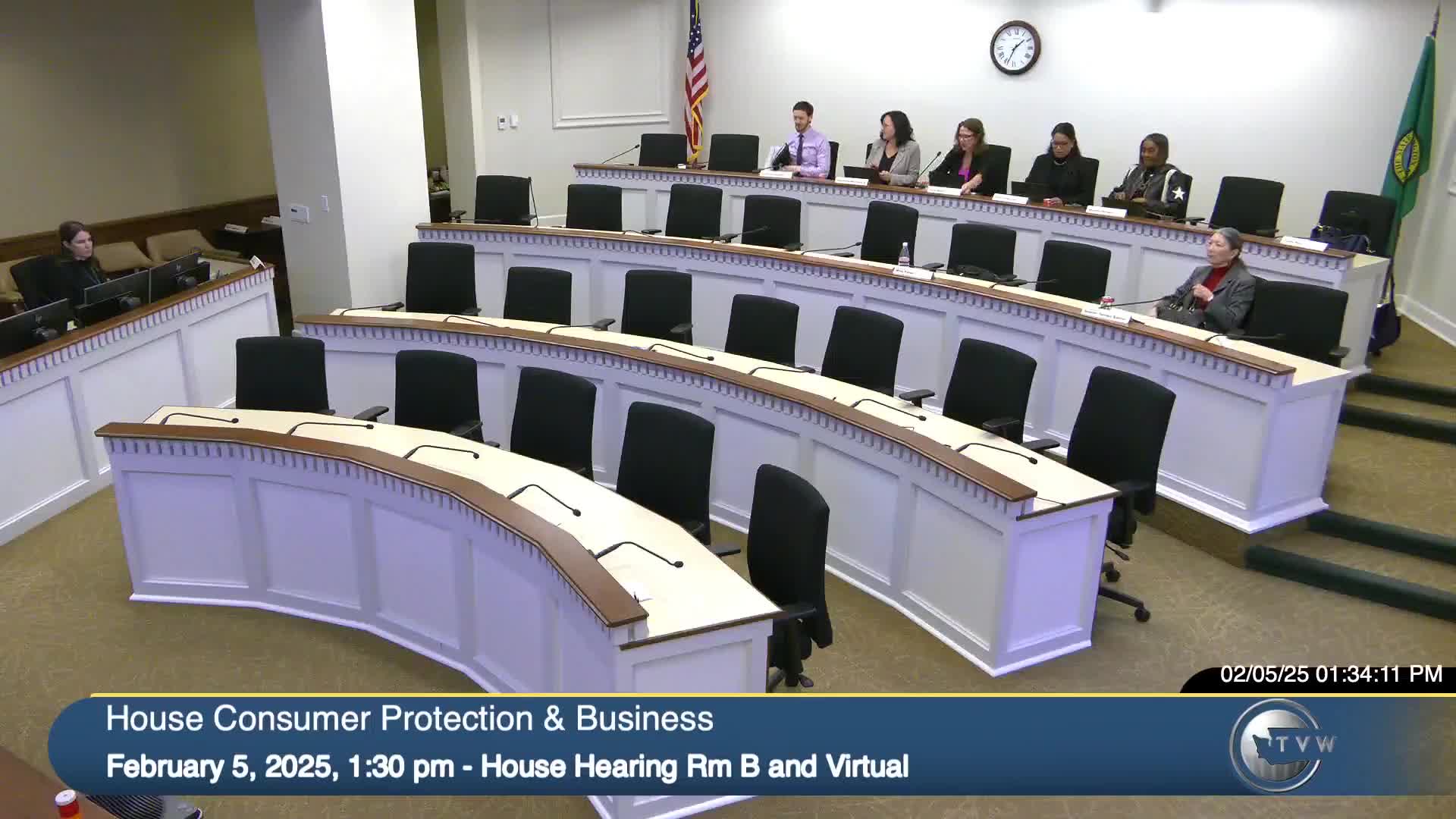
House Bill 1453 was the subject of a staff briefing and public testimony Wednesday, as lawmakers considered new civil penalties and possible licensure loss for scrap metal businesses that purchase stolen copper used in telecommunication cable.
House Bill 1453 was the subject of a staff briefing and public testimony Wednesday, as lawmakers considered new civil penalties for scrap metal businesses that purchase stolen copper used in telecommunication cable.
The bill would make a first violation subject to a civil penalty of up to $10,000, a second violation up to $20,000, and a third violation could lead to loss of licensure for the scrap metal business, staff told the panel. The bill focuses specifically on copper used in telecommunication cable and does not extend those new penalties to fiber or other materials, the staff briefing said.
Committee staff member Megan Mulvihill said current law already requires scrap yards to be licensed, to keep transaction records, to cooperate with law enforcement and to check sellers against the Washington Association of Sheriffs and Police Chiefs No Buy database. Mulvihill summarized the bill’s change this way: "House Bill 1453 establishes new civil penalties for scrap metal businesses that engage in a pledge for the purchase of or the trade of stolen copper that was used in telecommunication cable." She added that certain existing violations already carry criminal penalties.
Representative Dan Griffey, prime sponsor, told the committee his district still relies on some hard-wired phone lines and that thieves are removing long lengths of cable. Griffey said higher civil penalties would send a clear signal that stealing infrastructure — and the fencing of that material — will be taken seriously. He indicated he intends to offer an amendment that would require the recyclers to have acted "knowingly" to trigger the new penalty, saying: "Dollars 10,000 fine first time if you knowingly purchase this."
Industry and service-provider witnesses described differing views. Robert Toms of Lumen Technologies said the problem is getting worse and that fiber thefts can be hard to distinguish from copper thefts in the field: "It is the second worst state in our entire service area... and to, Representative Ryu's point, this often is negatively impacting fiber as well because it's hard to determine... whether it's copper or fiber." Lumen said the thefts cause service outages and substantial replacement costs.
Holly Chisa (also transcribed as Holly Chiza) of the Recycled Materials Association testified in opposition to the bill as written. She said scrap yards already are prohibited from purchasing stolen material and asked the committee to add operational changes before imposing larger civil penalties. Chisa told lawmakers the bill lacks a requirement that utilities report stolen material to law enforcement or to yard operators, there is no marking requirement on cable to identify an owner, and the bill does not include a ‘‘knowingly’’ standard. She said yards refer suspicious material to police and provide required transaction data but worry they could face large penalties for unwitting purchases.
Committee members asked whether the bill covers fiber and EV charging cords; Mulvihill said the new penalties in the bill are specific to copper used in telecommunication cable and would not by themselves apply to fiber or other items, though current statutory definitions of "nonferrous metal" might capture some different materials under existing law. Griffey and other proponents said they are also working with industry and law enforcement on broader statutory changes, including proposals to elevate the theft of telecommunications wire to a higher criminal class in some cases.
Public-sign-in counts and next steps: the record read into the committee showed a large number of supporters and one opposed among those who had signed in; the chair closed the public hearing and the bill remains under committee consideration. The committee did not take a vote on House Bill 1453 during this session.
The committee will continue taking input on definitions, notice and reporting requirements and the potential amendment to require a "knowing" element before the higher civil penalties would apply.