Get Full Government Meeting Transcripts, Videos, & Alerts Forever!
Get email alerts on the Environment Water Quality topic
No spam. Unsubscribe anytime.
Residents urge Becker County to strengthen rules to protect wells and lakes from CAFO runoff
Summary
Multiple residents used the open forum to ask commissioners to revisit county language and planning around Concentrated Animal Feeding Operations, citing local groundwater and lake water concerns and asking the county to tighten ordinance language to prevent pollution.
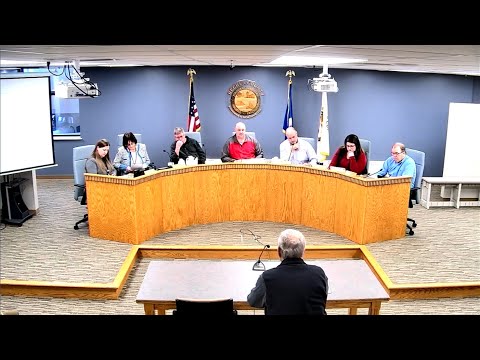
Several residents and local advocates told the Becker County Board of Commissioners during the meeting’s public-comment period that the county should tighten its rules for large animal feeding operations (CAFOs) to better protect groundwater and lakes.
Erica Gilsdorf, of Detroit Lakes, said the group speaking on the topic was not "attacking farmers" but was asking the county to create an ordinance that prevents unintended harm from CAFOs and protects drinking wells and surface waters. She referenced reporting in the Minnesota Reformer and local county survey work and warned commissioners not to "sleep on this for the easy way out," urging the board to reconsider the county ordinance and request that her statement and a news article be included in the meeting minutes.
Willis Matson, a former scientist who has spoken to the board previously, told commissioners that federal and state enforcement has sometimes fallen short and that local government must consider protective measures. "Local government is the best form of government in the entire world," Matson said, emphasizing the role the county can play in crafting controls where larger agencies have not.
Speakers asked the board for a forum to discuss options, and several urged the county to take steps now rather than delay. Commissioners said they would consider the comments and noted ongoing work in environmental services and planning; a separate planning-and-zoning ordinance review is underway and commissioners said it could be a vehicle for technical changes to rules governing agriculture or siting.
Ending
Speakers asked their comments be included in the meeting record. Commissioners and staff said they would continue to consider the subject during planning-and-zoning updates and in environmental services work on groundwater studies and public education.