Get Full Government Meeting Transcripts, Videos, & Alerts Forever!
Get email alerts on the Building Codes topic
No spam. Unsubscribe anytime.
Cheyenne committee recommends adopting 2024 building codes but keeps 2018 energy rules; tiny‑house appendix added
Summary
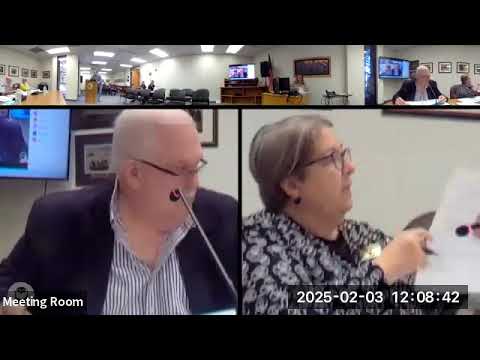
A Cheyenne committee on building and construction voted to forward to Monday night’s City Council meeting an ordinance on second reading to adopt the 2024 International Codes for buildings, with local amendments and technical corrections, and to retain the 2018 energy code for the city.
A Cheyenne committee on building and construction voted to forward to Monday night’s City Council meeting an ordinance on second reading to adopt the 2024 International Codes for buildings, with local amendments and technical corrections, and to retain the 2018 energy code for the city.
The recommendation to send the ordinance to council came after a staff report from Anthony Pomerleau, chief building official for the City of Cheyenne, who told the committee the city’s contractor-code adoption committee reviewed the updates and recommended adoption of the 2024 codes but to remain with the 2018 energy code. Pomerleau said most changes before the committee were grammatical or technical rather than substantive and that the state of Wyoming requires jurisdictions to adopt state‑level code updates within 180 days; the city is slightly behind that timeline because the residential and energy sections were republished later than expected.
The committee packet includes an added appendix BB to the International Residential Code as a way for the city to allow tiny houses; Pomerleau said appendices are not adopted automatically and must be explicitly adopted to take effect. He also told the committee the contractor group reviewed sections of the International Building Code (IBC), existing building code, plumbing, property maintenance and fuel‑gas codes and found no recommended local changes in many of those sections.
Public comment and committee questions focused on several specific items. Michael White, who identified himself during public comment, asked about section R309 of the International Residential Code, which in the packet appears as an optional provision about automatic sprinkler systems. Pomerleau and later City Attorney John Brody confirmed that the state of Wyoming has not adopted the International Residential Code and that municipalities retain local authority under home‑rule to decide whether to require residential fire suppression; the committee’s contractors did not recommend adding a mandatory residential sprinkler requirement at this time.
Council members also asked about drainage plan requirements in section 107.1; Pomerleau said that section was unchanged in the current adoption package and that drainage enforcement sits with the city engineering department. Similarly, roofing language that limits roofing systems to a single layer of asphalt shingles and the local snow‑load value of 30 pounds per square foot remain unchanged.
Members pressed about grading permit fees appearing in the packet. Pomerleau said grading and floodplain reviews and fees are handled by the engineering department and that no fee changes are included in this code adoption; he said the engineering group is evaluating fees and may propose changes later but not as part of this ordinance.
After discussion, Councilwoman Aldridge moved to approve and Councilman White seconded. The committee approved the recommendation by voice vote; the chair said the formal recommendation to City Council would be to approve on Monday night.
What happens next: The ordinance and its appendices will go to the full City Council for final action. Pomerleau and staff indicated they would provide the text of appendix BB and answer outstanding technical questions for council members before that meeting.