Get Full Government Meeting Transcripts, Videos, & Alerts Forever!
Get email alerts on the Construction Lien Priority topic
No spam. Unsubscribe anytime.
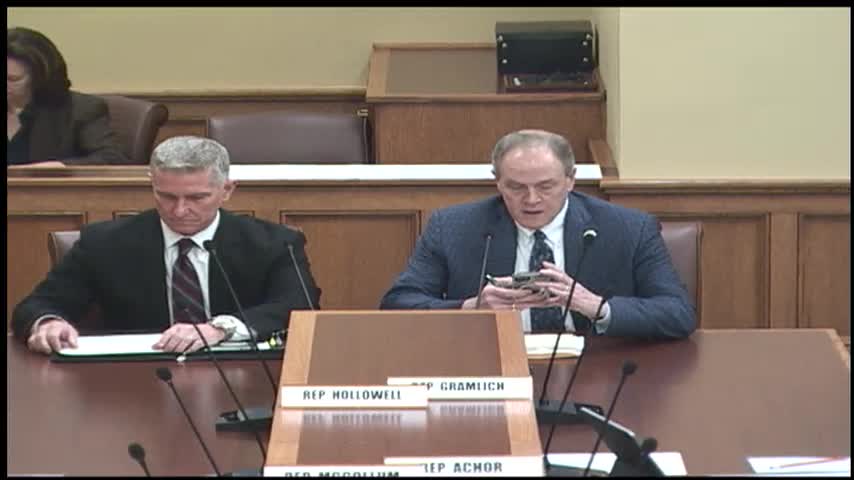
Committee approves bill to limit mechanic’s-lien priority over construction lenders
Summary
The House Insurance & Commerce Committee passed House Bill 12 71, which narrows which contractors and suppliers can claim priority over construction lenders by creating an affidavit process and limiting the doctrine of "relation back" for construction loans.
House Bill 12 71 won committee approval after lawmakers and industry witnesses described it as a targeted fix to Arkansas mechanics-lien rules that currently can leave construction lenders in last place when construction begins before a loan is recorded.
The bill would let a construction lender record an affidavit of noncommencement and, if an inspector hired by the lender files that affidavit within a narrow window around the mortgage recordation, preserve the lender’s priority over future lien claimants. It would also remove the doctrine of “relation back” as to construction lenders so that claims by contractors or suppliers who perform work after the mortgage is recorded would not relate back to the start of construction and leap ahead of the lender.
Representative Les Warren, District 84, the bill sponsor, told the committee the change “will limit the liability or inferiority of claims to only those who did work prior to the mortgage being filed.” Wes Lesane of the Arkansas Land Title Association testified the affidavit is intended to “establish priority for the lending institution…assuming that an inspector hired by the lender” and said the affidavit can be contested for actual fraud.
Members pressed for details about what work counts as commencement. Representative Allen asked whether heavy trades such as excavation would still have priority if they worked before the mortgage was recorded; Lesane answered that contractors who actually performed work prior to recordation would retain priority, while later subcontractors or suppliers would not automatically jump ahead of a lender who had recorded and used the affidavit procedure.
Witnesses and committee members discussed underwriting practices and title insurance safeguards. Lesane said title examiners obtain borrower affidavits and search records for recorded liens and that, when a construction loan converts to a permanent loan, lenders typically require sign‑offs and lien-waiver evidence showing bills have been paid.
Representative Dolly moved passage; the motion was approved by voice vote. The committee did not record a roll-call tally in the hearing transcript.