Get Full Government Meeting Transcripts, Videos, & Alerts Forever!
Get email alerts on the Budget topic
No spam. Unsubscribe anytime.
Dennis‑Yarmouth presents FY26 budget; state aid rise cushions town assessments as transportation, special education and English‑learner needs climb
Summary
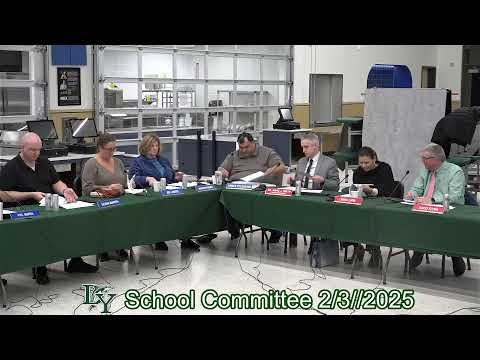
Dr. Smith, superintendent of the Dennis‑Yarmouth Regional School District, opened a public hearing Monday to present the district’s proposed FY26 operating budget, which proposes about a 4.49% operating increase and relies on a larger state aid allocation to moderate local assessment growth.
Dr. Smith, superintendent of the Dennis‑Yarmouth Regional School District, opened a public hearing Monday to present the district’s proposed FY26 operating budget and explained the priorities that shaped the request. The district projects an operating increase of about 4.49% and said stronger state aid this year reduces pressure on local assessments, though rising special education and transportation costs remain major drivers.
The budget presentation laid out three strategic objectives driving FY26 decisions: closing achievement and access gaps, building consistent districtwide operational systems, and addressing near‑ and long‑term facilities and capital needs. “We are largely a people business,” Dr. Smith said, summarizing the budget’s spending profile and noting that roughly 72% of costs are salary and benefits.
Why it matters: the district said net state aid rose materially this cycle — figures provided to the committee showed net state aid increasing from roughly $10.6 million to about $12.2 million (an increase the presenters called about $1.6 million). That state aid growth, driven in part by the Student Opportunity Act, reduces the share that must be raised locally, but the district also warned of rapidly rising costs for special‑education tuition, out‑of‑district placements and transportation.
David (the district finance director) walked the committee through program and function codes, and presented operating budget totals used to calculate town assessments. He said operating revenues (state aid, transportation aid, local receipts and other offsets) remove roughly $17.5 million from the top of the request before the regional assessment formula is applied. Using the regional formula and the five‑year foundation‑enrollment split (about 30.668% Dennis / 69.332% Yarmouth), the presentation produced proposed assessment increases of roughly 4.56% for Dennis and 3.18% for Yarmouth.
Committee members pushed for detail on several cost lines. A public commenter, Richard Simon, who identified himself as a Yarmouth resident and chair of the town finance committee, thanked the district for earlier engagement and said he and town staff would continue to probe the ~$2 million increase in transportation costs between 2023 and 2026. Dr. Smith and David explained that transportation increases reflect both tuition and pupil transport for out‑of‑district special‑education placements, and a newly emphasized driver: McKinney‑Vento transportation for students experiencing homelessness. The presenters described McKinney‑Vento reimbursements as unpredictable and lagging about a year; David said the district receives state reimbursement but the percent returned varies annually because the state divides a fixed pool among all claims.
The presentation highlighted other enrollment trends that affect cost: current daily attendance near 3,120 students, a roughly 5‑year increase in enrollment, a stable ‘‘high needs’’ population that includes economically disadvantaged students (around the mid‑50% range), an English‑learner population approaching about 30% first‑language‑not‑English on some measures, and special‑education rates generally in the mid‑teens percent range. The district reported just under 170 students currently falling under McKinney‑Vento protections.
On staffing and program priorities, the superintendent said the district used an internal prioritization rubric to rank FY26 requests. Contractual and MOA (memorandum of agreement) obligations — for example stipends for robotics, winter guard and game officials at MIAA rates — were treated as required costs. The request also includes a cabinet‑level position to lead English‑learner services (described as a gap given growing EL counts) and a recommendation to add a third‑grade classroom teacher on class‑size grounds.
Several school committee members urged the district to secure math intervention support at the middle grades. One member asked specifically about restoring or adding a math interventionist; Dr. Smith clarified that one interventionist position was funded by transferring an existing FTE, while another requested interventionist role remained unfunded and would remain on a prioritized list. Committee members also discussed the sensitivity of assessments to modest local cuts and the need for proportional reductions if towns request changes.
David also reviewed debt service and one‑time items: the FY26 debt service figure shown to the committee is approximately $4,090,647 and the district is carrying a bond anticipation note while awaiting final MSBA closeout reimbursements. He noted a reduction in some tuition lines and an update to insurance assumptions (a health insurance increase estimate moved from 5% to 6.5% following municipal health group guidance).
The public hearing was opened for comment; Richard Simon and others thanked the district for early outreach. After the committee discussion and public comment period, Dr. Smith closed the public hearing and the committee moved into regular business.
Next steps: district staff will continue follow‑up briefings with town finance committees, the superintendent said, and the district will present the budget materials to town boards and finance committees in the coming weeks. The committee also received a timeline for the search to replace the assistant superintendent / director of finance and operations position and noted an interim appointment (see separate article).