Get Full Government Meeting Transcripts, Videos, & Alerts Forever!
Get email alerts on the Reentry Community Corrections topic
No spam. Unsubscribe anytime.
Lawmakers hear requests to expand community reentry staff and medication‑assisted treatment pilots
Summary
The DOC sought funding to annualize personnel for the Pocatello Community Reentry Center, add parole officers, and start pilot medications‑for‑opioid‑use‑disorder services while inmates are incarcerated.
The Department of Correction asked the joint budget committee on Feb. 4 to fund continued operations and staff for community reentry programs that officials say reduce recidivism and ease reintegration.
Why it matters: DOC framed the Pocatello Community Reentry Center expansion and associated staff increases as investments to reduce repeat offending by improving case management, reentry supports and treatment access prior to release.
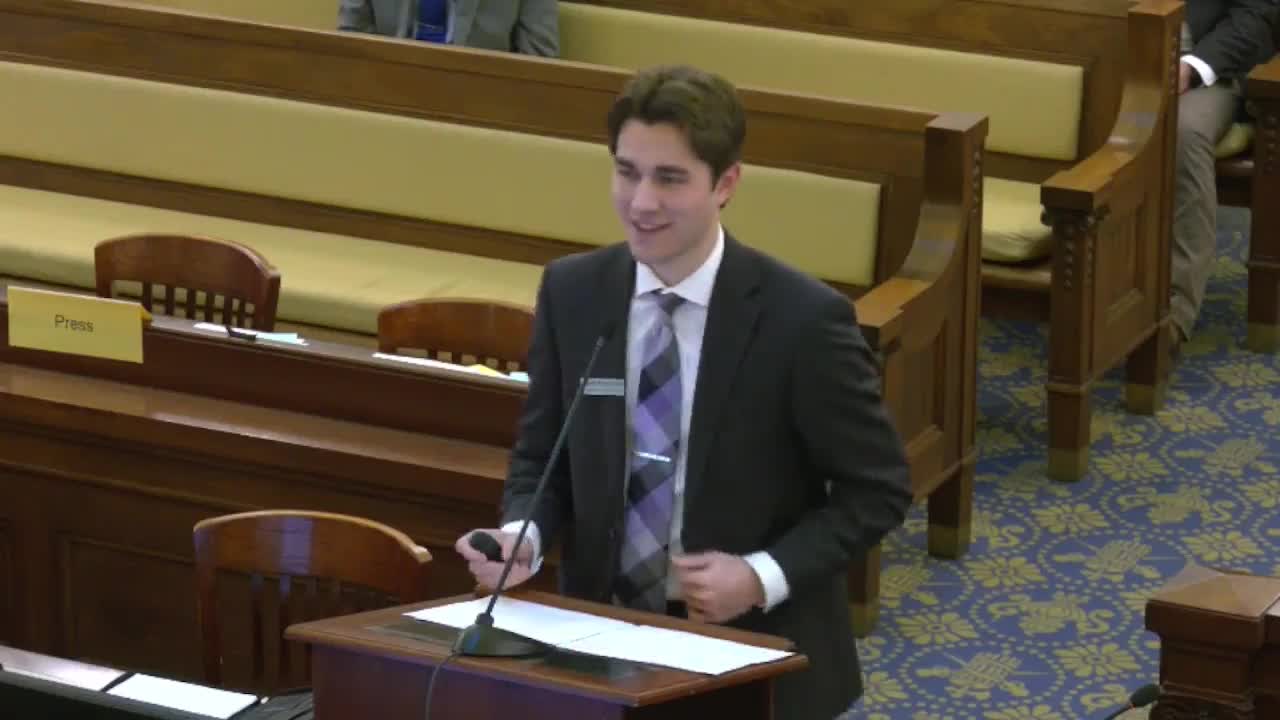
What was requested: Analyst Noah Peterson described the division requests. Management services had earlier been appropriated 7 FTP for administrative duties at the Pocatello Community Reentry Center; the community corrections division seeks annualized personnel funding for the center’s operational positions. Peterson said the annualized personnel cost to fund 17 operational FTP for a full year would be $680,700; if approved, DOC estimated the Pocatello CRC’s ongoing budget would be about $2.4 million.
Other items included a 2‑person pilot to provide medications for opioid use disorder (MOUD) during incarceration and to coordinate community treatment on release. Peterson said the community corrections division also requested funding for expanded drug testing that includes opioids such as fentanyl, $750,000 for transitional housing and other reintegration services, and 6 FTP and $616,500 ongoing for additional parole officers in two supervision districts.
Director Josh Tewalt addressed the department’s gap analysis on behavioral health resources: ‘‘I think this most recent report . . . we had over 2,000 people receiving mental health services, well over 3,000 receiving substance use disorder services,’’ he told the committee, adding that the gap between need and available community services has narrowed since Medicaid expansion.
Budget status and governor’s recommendation: The governor recommended the items listed by analysts, including replacement vehicle and equipment lists for the division. Peterson said some personnel additions were funded on a six‑month basis in FY25, so annualization is needed in FY26.
Ending: DOC told the committee the proposed staff and treatment pilots are intended to improve supervision outcomes and reduce downstream incarceration. Committee members asked clarifying questions; DOC offered to provide additional cost and program detail on request. No vote took place in the hearing.