Get Full Government Meeting Transcripts, Videos, & Alerts Forever!
Get email alerts on the Persi topic
No spam. Unsubscribe anytime.
PERSI reports 9% return and 87% funded ratio; seeks software upgrade funds and limited enhancements
Summary
The Public Employee Retirement System of Idaho (PERSI) told JFAC the fund returned about 9% over the recovery period, is roughly 87% funded, and requested both ongoing and one‑time funds for software upgrades, IT hardware and board travel.
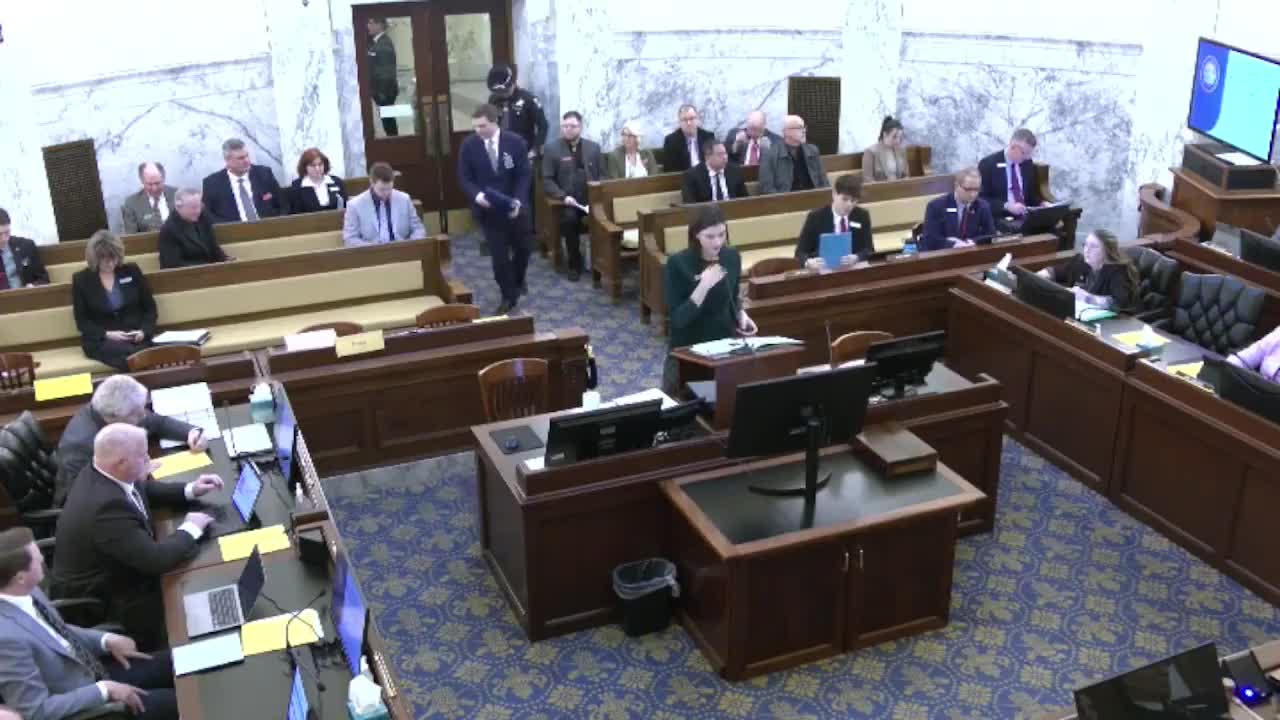
Frances Lippitt, a budget and policy analyst with the Legislative Services Office, presented PERSI’s budget and program structure to the committee, noting the system provides defined‑benefit and defined‑contribution plans, administers unused sick leave provisions, and is overseen by a five‑member retirement board.
Director Mike Hampton described operational results and fiscal condition. Hampton said the fund had “about a 9% return” over the last year and that the fund ended the year “a little over $22,000,000,000” with about 185,000 members and roughly 870 participating employers. He told the committee the funded ratio was about 87% and that the board recommended a 1% automatic post‑retirement adjustment plus a 0.3% retroactive component (a 1.3% total recommendation to the legislature).
Analysts described PERSI’s FY2024 administration expenditures (about $11.4 million from appropriated funds) and continuous pension payments (about $245.9 million). The agency reported an average of roughly 73.8 authorized full‑time positions with an 89% typical fill rate; in FY2024 PERSI had a 10% vacancy rate and a 24.6% turnover rate in administrative staff.
PERSI’s FY2026 requests presented to JFAC included two ongoing enhancements totaling about $277,100 (including $25,000 to budget board travel) and several one‑time requests: $3,000,000 for year four of the pension software upgrade, $7,000 for office furniture, and $628,500 for IT hardware recommended by OITS. The governor recommended the IT hardware and software requests but did not recommend the inflationary ongoing increase or office furniture, per the analyst.
Committee members pressed the director on where administrative and investment management costs are recorded. Hampton clarified that investment management fees fall under continuously appropriated funds, not the annual appropriation, while administrative costs (personnel, software maintenance and operating costs) are included in the appropriation.
On pension funding mechanics, Hampton explained the board’s statutory levers and long‑term approach: “the only lever that the board has that it has full authority to do is to, adjust contribution rates.” He said PERSI’s current amortization period is about 10.7 years and that the board evaluates adjustments to post‑retirement allowances (COLA) with an eye to long‑term sustainability.
Members asked whether PERSI should consider switching from a defined‑benefit to a defined‑contribution model; Hampton said very few systems have moved to a straight defined‑contribution plan and noted hybrid models and pension benefits remain important for recruiting and retaining mid‑career public employees. He closed by highlighting operational metrics: PERSI staff handled about 66,000 phone calls, provided pension education to more than 14,000 members, completed over 44,000 workflows and registered more than 37,000 users to a new member portal launched in January.