Get Full Government Meeting Transcripts, Videos, & Alerts Forever!
Get email alerts on the Judicial Branch Budget topic
No spam. Unsubscribe anytime.
Judiciary cites cybersecurity, ARPA investments and judge shortages as court workload rises
Summary
Court officials told lawmakers the state is still rolling out a multi‑year court technology modernization funded by ARPA, explained a plan to move county court work onto a protected state court network, and sought several new judges and magistrates to handle rising caseloads and retirements.
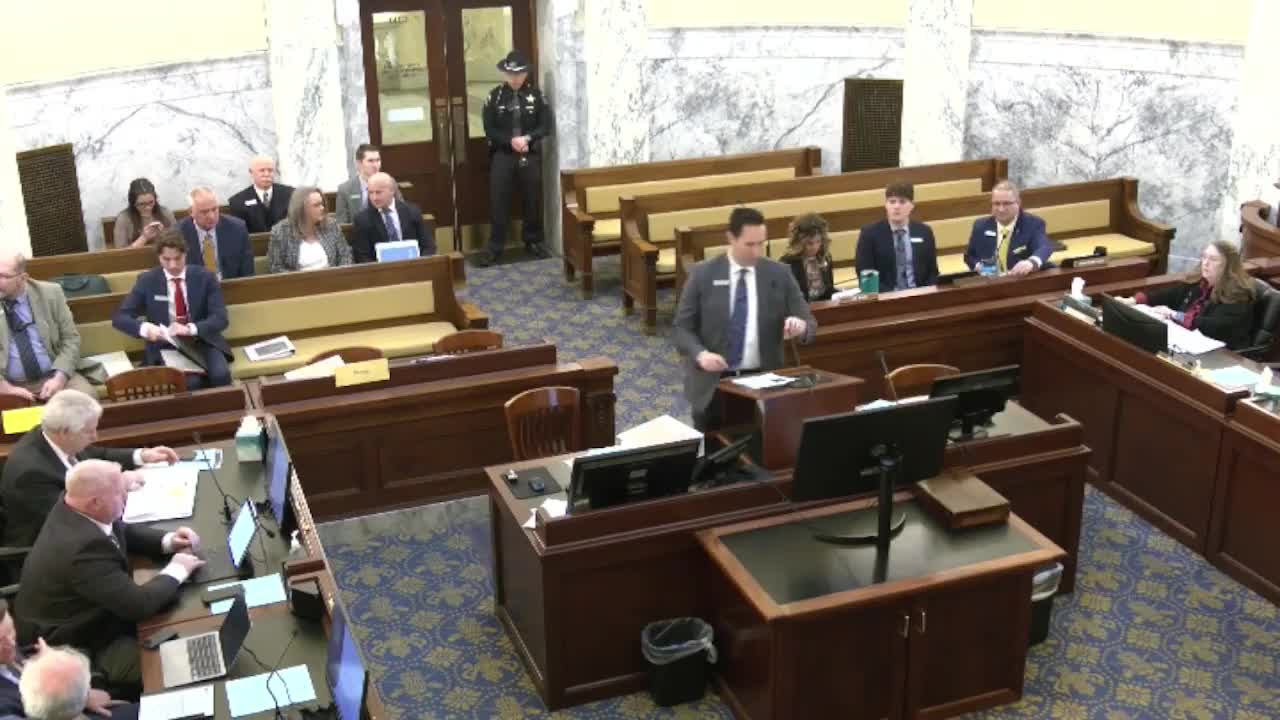
Administrative Director of Courts Sarah Omanson and Division Manager Keith Bybee briefed the Joint Finance Preparation Committee on Jan. 23 on the Judicial Branch Court Operations budget, covering ongoing court technology modernization funded with ARPA State Fiscal Recovery Fund dollars, hiring challenges and requests for additional judges.
Bybee said the Judicial Branch budget and the Court Technology Fund take in filing fees that supported an increase in core technology collections from about $2.9 million in FY2023 to $3.4 million in FY2024. The courts carry a fund balance (reported around $18.8 million) and project working cash receipts of roughly $21.5 million for FY2026; many recent technology upgrades were paid with ARPA funds.
Omanson described a multi‑year modernization that began in 2020 to address cybersecurity risks and to centralize and secure court case data. Upgrades include multi‑factor authentication, Office 365 deployment for court business and plans to install a state‑managed court network in county courthouses. She said most ARPA dollars for the project are contracted and obligated and that the work is expected to continue through the end of 2026.
"We started really focusing on cybersecurity," Omanson said, describing efforts to control network access, password policies and to reduce attack surface by standardizing where court work is performed. She said counties have options — either use state‑provided hardware on the state network or continue to use county machines but access court systems through a state‑hosted cloud desktop — to accommodate local needs while protecting sensitive records.
Committee members asked whether counties were satisfied with the changes; Omanson said the transition is difficult for some counties because it requires changes to how clerks do court business, but the office has provided options meant to limit disruption. She said Office 365 rollout is about 80% complete and two‑factor authentication is being prepared for rollout.
Bybee reviewed requested enhancements for FY2026, including judicial compensation (the governor included a 5% placeholder in the governor’s recommendation) and a larger judiciary request for new judicial resources. The judiciary's internal request included two district judges (first and seventh judicial districts) with court reporters and two magistrate judges (a magistrate in Twin Falls/Fifth Judicial District and another in Bonneville/Seventh Judicial District). Bybee said the courts' full judiciary compensation request is about $10.2 million; the governor included a $1.717 million placeholder for a 5% judicial compensation increase.
Omanson outlined workload data to support magistrate requests: a magistrate in Twin Falls currently opens roughly 1,773 cases per year, and Bonneville magistrates open about 1,539 cases per year. She said magistrates can handle many family‑law, civil and infraction dockets and that Twin Falls has not received a new magistrate in 35 years. The Seventh District covers a large geographic area (10 counties, approximately 20,000 square miles) and Omanson told the committee that travel by visiting judges consumes significant judicial time — she estimated about 67.5 judicial days lost annually to travel in the Bonneville area.
The judiciary also reported staffing and hiring challenges: several IT positions remain unfilled despite reposting, and three of five data analysts recently left for higher pay elsewhere. Omanson said the court hired finance staff at the funded levels and has reduced payment backlogs from about 300 pending payments to roughly 20; however, some manager positions remain hard to fill at the legislatively appropriated salary levels and the court will supply the committee with cost estimates to close the hiring gap.
On case management systems, Omanson said the Judicial Branch currently uses Tyler (Odyssey) under a contract that entered a cloud phase in 2014. She said the court intends to issue a Request for Information (RFI) to survey the current vendor landscape and learn whether more customizable options exist; the branch is early‑stage in that process and is not reporting an immediate vendor change.
Why it matters: The judiciary framed the requests as responses to rising caseloads, cybersecurity vulnerabilities and a shrinking applicant pool for judgeships. Several committee members asked for more detail on ARPA expenditures, the vendor landscape and what it would take to recruit and retain needed IT and administrative staff.
What’s next: Omanson and Bybee agreed to provide a written breakdown of ARPA‑funded work, estimates for closing salary gaps to hire critical positions, and timelines for the remaining technology rollout work. The committee received the briefing; no formal appropriations votes occurred during this session.