Get Full Government Meeting Transcripts, Videos, & Alerts Forever!
Get email alerts on the Mobile Drivers License topic
No spam. Unsubscribe anytime.
House Transportation Committee votes 10-6 to introduce bill allowing optional mobile driver’s licenses
Summary
The committee voted to introduce RS 31,990, a proposal to authorize an opt-in electronic (mobile) driver’s license. Lawmakers debated security, law-enforcement procedures and fees; the bill’s fiscal note and details will be fleshed out in subsequent hearings.
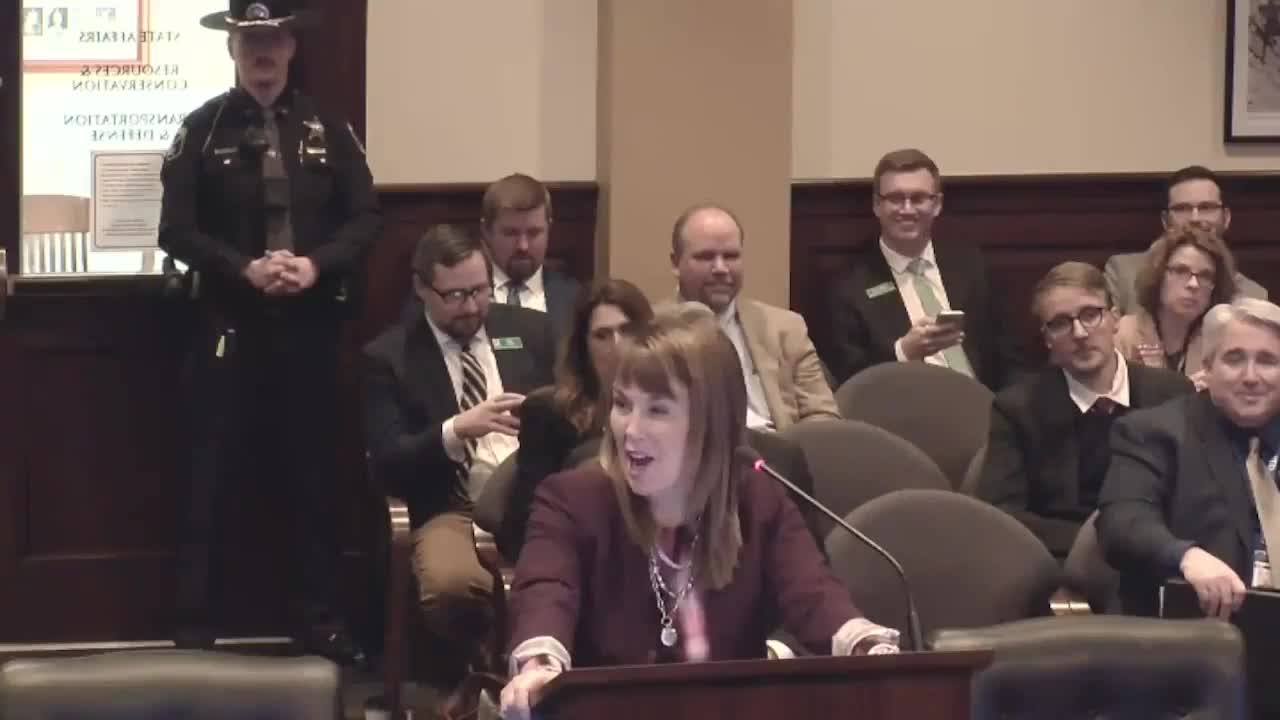
The House Transportation Committee voted 10-6 to introduce RS 31,990, a bill that would authorize an optional electronic (mobile) driver’s license for Idaho residents. Representative Stephanie Mickelson presented the measure and Representative Petzke moved to introduce it; the motion passed after a roll call vote with 10 in favor and 6 opposed.
The bill would allow an individual to opt in to a state-provided mobile driver’s license, while preserving the existing paper or plastic license as a required form of identification. Mickelson told the committee that the measure “allows people that want electronic driver's licenses want, not everyone's required,” and said the technology can limit the information shared with others: “the information, the only information that you will send to or give to the police officers is what you choose on your device.”
Why it matters: supporters said a mobile credential could improve officer safety and streamline traffic-stop processes; critics raised data-security and cost concerns. Representative Harris cited research from other jurisdictions and warned the technology can be faked, saying the systems she reviewed “are actually really easy to fake, Especially with kids and technology these days.” Several members also questioned how law enforcement would inspect an electronic credential and who would bear costs if a device were damaged during a stop.
Key provisions and fiscal details discussed - Opt-in model and fee: Committee discussion described the mobile license as voluntary. Committee members were told a $10 annual fee is envisioned for people who choose the mobile credential; that fee would be paid by the individual user, not the state, according to the presenters. - Fiscal note: Committee members referenced a fiscal estimate “about $152,000” (as quoted during the hearing) for initial costs; sponsors said that would cover development and some integration work but details will be clarified in future hearings. - Law-enforcement procedures: Sponsors and law-enforcement liaisons said officers would use department-issued devices or existing scanners to view a mobile credential and that a mobile credential holder would not be required to surrender their phone. Mickelson said the bill language intends that an individual “shall not be required to surrender the device,” and that an officer would receive only the fields the individual elects to share. Committee members discussed the potential for departments to use issued phones, scanners or future RFID technologies to verify credentials. - Voting and other uses: Members asked whether an electronic credential would satisfy voter-ID rules or airport requirements. Committee discussion noted voting statutes are specific about acceptable identification and that the bill does not change existing voting-law requirements; sponsors said many airports and other jurisdictions are moving toward accepting mobile IDs but existing federal and local rules will govern those uses.
Concerns and follow-up items Committee members raised several issues for staff to address in subsequent work sessions or hearings: potential ease of forgery; civil-liability questions (for example, who is liable if an officer damages a private phone while handling it); whether sheriff and local police equipment costs are included in the fiscal note; whether a state-managed app or a vendor platform will host Idaho credentials; and data-privacy protections tied to any interoperable “trusted source” mentioned by sponsors. Representative Harris said she would vote against introducing the RS because of security and cost concerns.
Vote at a glance - Motion: Introduce RS 31,990 (mobile driver’s license) - Mover: Representative Petzke - Second: not specified - Outcome: Motion carried — introduced (10 yes, 6 no) - Named roll call (as recorded during the meeting): Vice Chairman Mitchell — No; Representative Holtzclaw — Yes; Representative Monks — No; Representative Shepherd — No; Representative Crane — Yes; Representative Handy — Yes; Representative Hill — Yes; Representative Petzke — Yes; Representative Boyle — Yes; Representative Clow — recorded as “I” during the roll call; Representative Harris — No; Representative Mickelson — Yes; Representative Pohanka — Yes; Representative Gannon — Yes; Chairman Palmer — No. The chair announced the motion carried 10 to 6.
What’s next Committee members and sponsors indicated follow-up work will define technical details, vendor arrangements, the final fiscal impact, and privacy safeguards before the bill receives a full hearing and possible amendment. The committee directed that the item return for further discussion in a future hearing.