Get Full Government Meeting Transcripts, Videos, & Alerts Forever!
Get email alerts on the State Insurance Pool topic
No spam. Unsubscribe anytime.
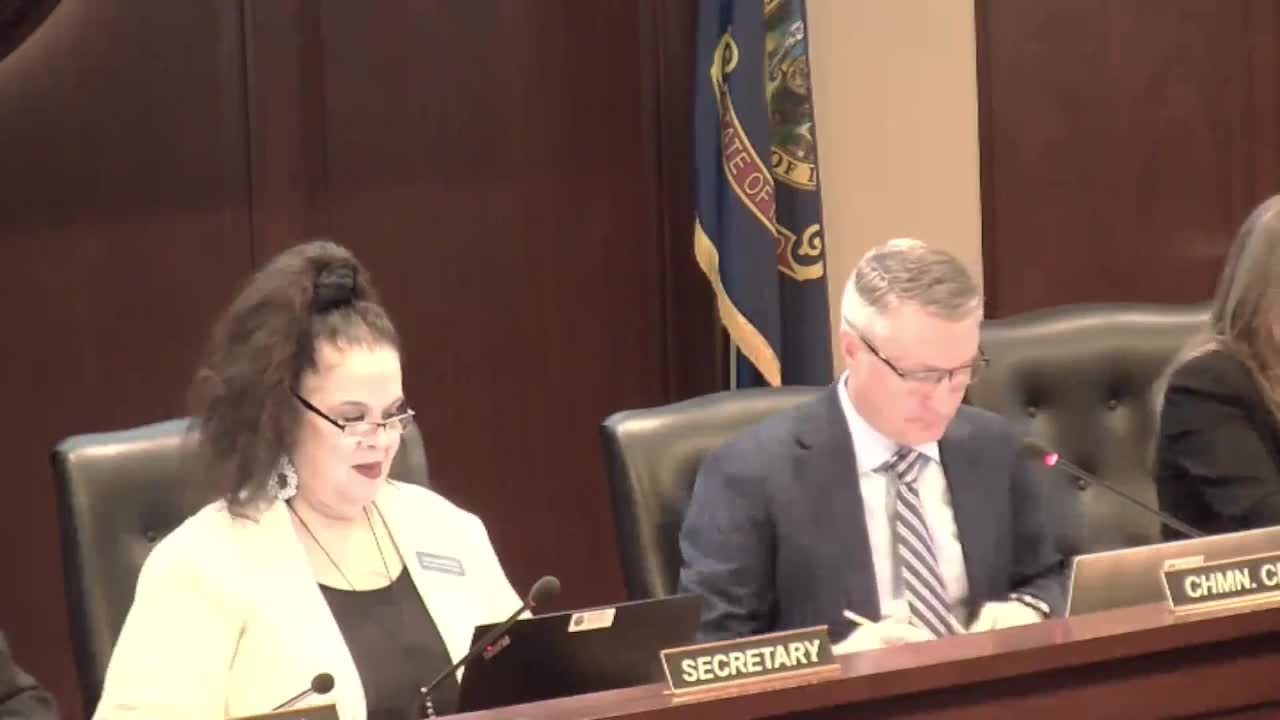
Committee introduces RS 32,037 to let cities join state employee insurance pool; counties debated and excluded
Summary
Representative Rick Cheatham asked the committee to introduce RS 32,037 to let cities opt into the state's health-insurance pool, saying broader membership could lower municipal costs.
Representative Rick Cheatham introduced RS 32,037, a request statute to allow cities to join the state's employee health insurance pool. Cheatham told the committee that adding cities is intended to spread actuarial risk across a larger membership, and he cited Pocatello's experience with high premium increases as an example of municipal pressure on local budgets.
Cheatham said the proposed change is voluntary and would require any city that opts in to pay actuarial and buy‑in costs; the bill as drafted does not create a state appropriation for cities to join. He said state staff from the department of administration and the office of government insurance would appear at a future hearing to explain implementation details.
Committee members debated whether to add counties into the same language. Representative Boyle initially asked that "counties" be added; representatives discussed that counties have a separate, county-specific plan (the GEM plan). Representative Mickelson later offered a substitute motion to insert "counties" on several lines; committee members voted the substitute down by voice and returned to the original motion.
The committee then voted to introduce RS 32,037 as drafted, allowing a future hearing on the measure. Members noted the bill is patterned on how public universities and other entities have joined the pool in the past, but emphasized this version requires participating cities to cover their own buy-in costs so there is no immediate fiscal impact to the state general fund.