Get Full Government Meeting Transcripts, Videos, & Alerts Forever!
Get email alerts on the Veterans Services topic
No spam. Unsubscribe anytime.
Rhode Island veterans office cites hiring gains, cemetery expansion and $5.7 million refund in annual briefing to Senate committee
Summary
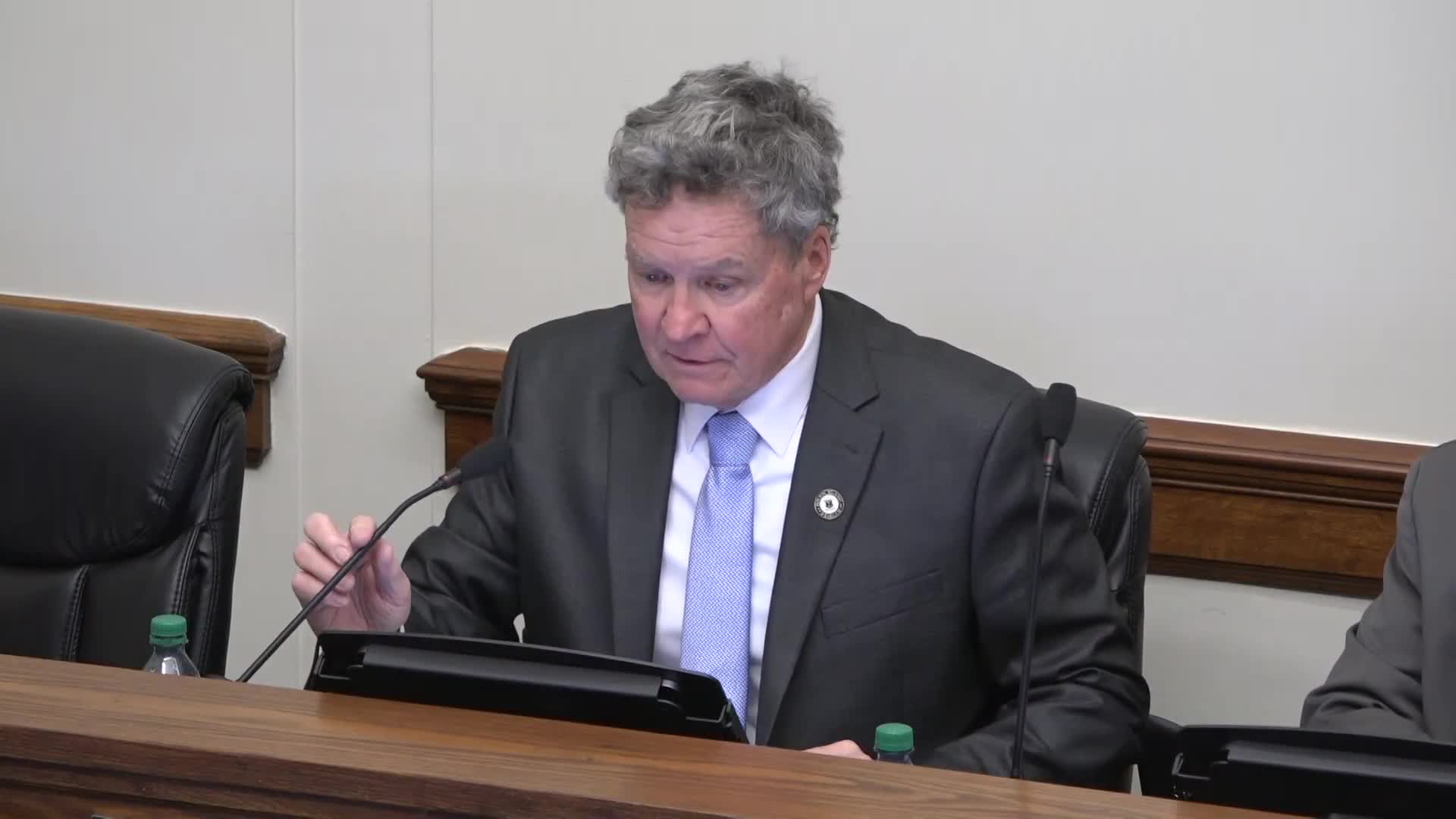
Director Kasimian, director of the Rhode Island Office of Veterans Services, told the Senate Committee on Special Legislation and Veterans Affairs on the agency’s annual briefing that a recent hiring push and career fair have put the Veterans Home on track to fill vacancies, enable immediate placements from its wait list and improve service delivery across the agency.
Director Kasimian, director of the Rhode Island Office of Veterans Services, told the Senate Committee on Special Legislation and Veterans Affairs on the agency’s annual briefing that a recent hiring push and career fair have put the Veterans Home on track to fill vacancies, enable immediate placements from its wait list and improve service delivery across the agency.
Kasiman said the office had 37 applicants at a two‑day career fair for roughly 30 openings and that, as a result of subsequent hiring activity and collaboration with the Department of Labor and Training, state human resources and Council 94, the agency expects to fill its remaining vacancies within weeks. "With the new hires, we have anticipate the ability to open our vacant Alpha 2 neighborhood within the 30 to 60 days. This means to bring on 20 veterans immediately off the waitlist and into our care," Kasimian said.
The hiring work, Kasimian said, included outreach to local training programs and interstate recruitment after Rhode Island adopted nurse reciprocity changes. He told the committee the office expanded wages in October to improve competitiveness for licensed practical nurses and other roles.
Kasiman also reported a completed corrective action that refunded $5,700,000 to 30 veterans and surviving family members for an earlier overcharge related to service‑connected maintenance fees. "A total of $5,700,000 were refunded. That that impacted 30 veterans overall," he said.
On cemetery operations, Kasimian described the Rhode Island Veterans Memorial Cemetery in Exeter as "one of the busiest state run facilities across the nation," noting more than 100 interments per month on roughly 200 acres and a staff of 17 (15 full‑time, two seasonal). He said phase 2 of a Cumberland columbarium project has begun with $3,800,000 in U.S. Department of Veterans Affairs funding to build six new column bearing walls, add about 2,100 niches and extend interment capacity. The director characterized that project as the first step in a 10‑year plan to extend the cemetery’s service life.
Kasiman reviewed changes and upgrades at the Rhode Island Veterans Home, which he described as a "community living center" organized around six neighborhood units and not a traditional nursing home. He told the committee the site added security gates in February 2024, nearly doubled pharmacy workspace, and continues to run therapeutic and recreational programs: roughly 144 residents participated in on‑ and off‑campus activities last year and the agency ran 42 off‑campus excursions.
Staffing shortages remain a driver of capacity limits at the home, Kasimian said. He described a collaborative approach with state agencies and unions — including a pilot transportation arrangement for some students and out‑of‑state recruitment — as part of the strategy to fill positions. He said wage adjustments and interstate licensing reciprocity have supported recruitment.
On benefits navigation and outreach, Kasimian described the Veterans Resource Center in Warwick as a walk‑in and appointment hub providing one‑on‑one assistance with VA claims, SNAP, transportation and other benefits. He said the office uses a "no wrong door" referral network with state partners including the Department of Human Services and Rhode Island Public Transit Authority (RIPTA) and that monthly data calls with DHS help the agencies coordinate services for veterans.
The director highlighted several community programs: a Veterans Café partnership with Meals on Wheels and senior centers to reduce isolation among older veterans; volunteer initiatives that placed 5,400 wreaths in a December observance and 40,000 flags displayed at a Memorial Day event; and an upcoming caregiver event on Feb. 21 at the Knight Campus in Warwick organized with the lieutenant governor’s office and the Office of Healthy Aging.
Kasiman raised a federal policy issue he said affects cemetery operations: contemporary flags made of synthetic materials present a hazard if retired by open flame, and existing federal guidance on flag retirement predates widespread use of synthetic flags. He said the office has engaged the congressional delegation and that, pending federal or statutory guidance, the agency has been using rented Connex storage containers to hold retired flags until a safe disposal method is determined. "It needs to be updated to codes. And so in absence of that, we've engaged with our congressional delegation," Kasimian said.
On service interruptions and benefits continuity, Kasimian told the committee there have been "0 interruptions" to veteran services in recent weeks, crediting ongoing coordination with federal VA partners and regional networks.
Committee members asked questions about transportation, cemetery capacity and outreach. Senator Acosta asked whether there had been interruptions to benefits; Kasimian answered that coordinated federal, state and local relationships have prevented interruptions. The committee did not take any formal votes during the presentation; the transcript records a motion to adjourn proposed at the session’s close, with no vote recorded.
Why it matters: The Office of Veterans Services manages long‑term care, burial operations and veteran benefits navigation in Rhode Island. Capacity at the Veterans Home depends on hiring and staffing; cemetery expansion affects long‑term interment availability; and federal guidance on flag retirement and VA procedures can affect how the state manages sensitive operations. The items Kasimian presented outline operational steps and funding already in motion and highlight outstanding dependencies on federal guidance and continued interagency cooperation.
Looking ahead: The director said the office expects to report back to the committee next year on newly opened capacity at the Veterans Home and on any further policy or funding requests that arise from the agency’s strategic plan work.