Get Full Government Meeting Transcripts, Videos, & Alerts Forever!
Get email alerts on the Salary Schedule topic
No spam. Unsubscribe anytime.
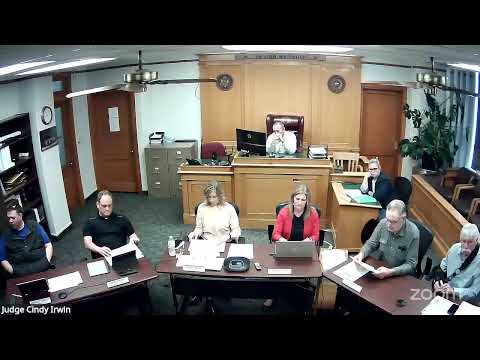
Hutchinson County officials debate salary schedule changes, ask departments for step plans
Summary
Hutchinson County commissioners and elected officials discussed proposals to limit long-term growth in payroll costs, consider step-tier hiring plans for new employees and elected offices, and asked department heads to submit salary progression plans ahead of the budget cycle; no formal changes were adopted.
Hutchinson County commissioners, elected officials and department heads spent a lengthy session discussing possible changes to the county salary schedule, including tiered “step” plans for new hires and a potential freeze or cap on commissioners’ pay, but made no formal decisions.
Commissioner Dan told colleagues that county payroll plus benefits could consume a growing share of the operating budget: “we were at 53 [percent]... within an estimated 5 to 6 years, we would be above 70 percent if we keep just raising everybody over and over,” he said, urging a proactive plan to avoid cutting services or raising taxes to cover personnel costs.
The discussion focused on three recurring concerns: (1) new hires being brought in at the same pay as long‑serving employees, which officials said reduces morale and weakens promotion incentives; (2) rapid long‑term growth in total payroll and benefits relative to operating revenue; and (3) preserving the county’s ability to recruit and retain qualified staff while preventing future budget shortfalls.
Officials and department heads proposed adopting step or tiered salary schedules so incoming staff start at a lower entry rate and progress with tenure or performance. Several department heads and elected officials said they already use informal tiers in their offices; others said a consistent, countywide framework would help budgeting and reduce “gray areas” when replacing long‑tenured employees. A county official suggested elected officials prepare their own step plans for their offices as well.
Speakers also raised different options for elected officials’ pay. Some commissioners said they were willing to “freeze” their own salaries or otherwise set an example, while others cautioned that elected offices are public and that any change could become a campaign issue if candidates run knowing pay will be lower. One speaker noted a statutory posting requirement: elected officials’ pay as included in the budget must be posted publicly when the budget is published.
Retention and recruitment tradeoffs drew comment from elected officeholders and the district attorney’s office: several speakers said higher pay historically reduced turnover and helped keep experienced staff, while constables warned that their pay lags other local starting public‑safety salaries and that low pay can hamper service quality.
As a next step, the court asked all elected officials and department heads to draft or formalize step plans for their offices and submit them for review before the budget cycle. One commissioner volunteered to collect those plans and distribute them to the court for further discussion. No ordinance, salary schedule change or formal vote on pay policy was adopted at the meeting; the court subsequently moved to adjourn.
Votes at a glance
- Motion to adjourn: moved from the floor; meeting adjourned. (No formal roll‑call vote or tally was recorded in the transcript.)