Get Full Government Meeting Transcripts, Videos, & Alerts Forever!
Get email alerts on the Parential Choice Tax Credit topic
No spam. Unsubscribe anytime.
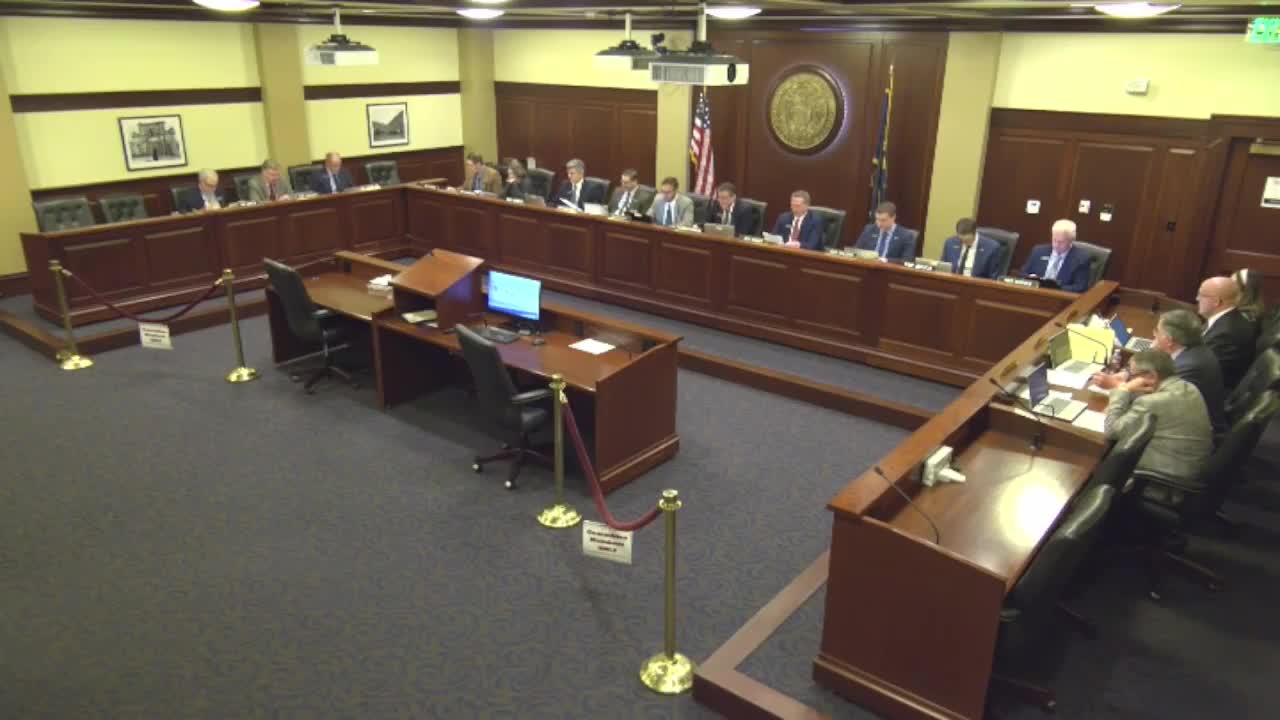
House committee introduces parental choice tax credit bill with micro‑school rules
Summary
The House Revenue and Taxation Committee on Jan. 30 introduced RS 32,116, a draft parental tax credit that adds definitions for micro‑schools and learning pods, requires accreditation or a documented instructional portfolio, removes a vague materials category and clarifies part‑time eligibility.
The House Revenue and Taxation Committee on Jan. 30 voted to introduce RS 32,116, a draft parental tax credit bill sponsored by Representative Wendy Horman, R‑District 32 of Bonneville County. The measure, introduced for committee consideration, adds specific language for nonpublic schooling, changes participation rules and asks parents who claim the credit to complete a satisfaction and engagement survey.
The draft explicitly calls out micro‑schools and learning pods as types of nonpublic schools and requires that those schools either be accredited or maintain a documented portfolio showing instruction in math, science, reading and history. The bill removes the phrase “other educational materials,” which the sponsor said had caused confusion, and expands the program’s eligibility language so students enrolled part time (defined under Idaho’s funding formula as 2.5 hours) can qualify.
Representative Horman said the new draft was adjusted based on colleague feedback and described the listed changes as “the essence of the changes.” The draft is intended to replace an earlier review draft that became House Bill 39, she told the committee.
Representative John Gannon raised procedural fairness concerns, saying the bill as drafted could create disparities between filers who can produce third‑party tax information quickly and those who cannot. “My concern is with the way it’s drafted, that we are setting up a system that is going to be unfair to some,” Gannon said, and asked whether the measure authorizes the Idaho State Tax Commission to adopt implementing rules. Horman said she would address implementation details at a full hearing if the committee advances the bill: “this bill is more fair, transparent, accountable, and responsible and I will be happy to get into the details…should this committee choose to advance this bill for a full hearing.”
Representative Monks moved to introduce RS 32,116. The committee adopted the motion; the clerk recorded Representatives Gannon and Birch as voting nay and the motion carried.
Next steps: RS 32,116 was introduced and will proceed to a full hearing where sponsors said they will offer additional details about implementation, verification and any rule‑making authority for the Tax Commission.