Get Full Government Meeting Transcripts, Videos, & Alerts Forever!
Get email alerts on the Food Tax Credit topic
No spam. Unsubscribe anytime.
Idaho committee introduces RS32033 to raise grocery tax credit, allow receipt-based refunds
Summary
The Idaho House Revenue and Taxation Committee voted to introduce RS32033, a proposed statutory change that would raise the grocery tax credit from $120 to $155 and allow taxpayers to reclaim grocery sales tax via receipts up to $250; Representative Jason Monks sponsored the proposal and Representative Shepherd moved its introduction.
The House Revenue and Taxation Committee introduced RS32033 on Jan. 27, a legislative proposal to raise Idaho’s grocery tax credit and permit limited receipt-based refunds. Representative Jason Monks, the bill’s sponsor, described the change as a response to rising grocery costs.
"This particular legislation would increase that credit from $120 to $155," Representative Jason Monks, a legislator from District 22, told the committee. He said the bill would also let taxpayers submit grocery receipts to the Idaho State Tax Commission to reclaim sales tax they paid during the year, with a cap of $250.
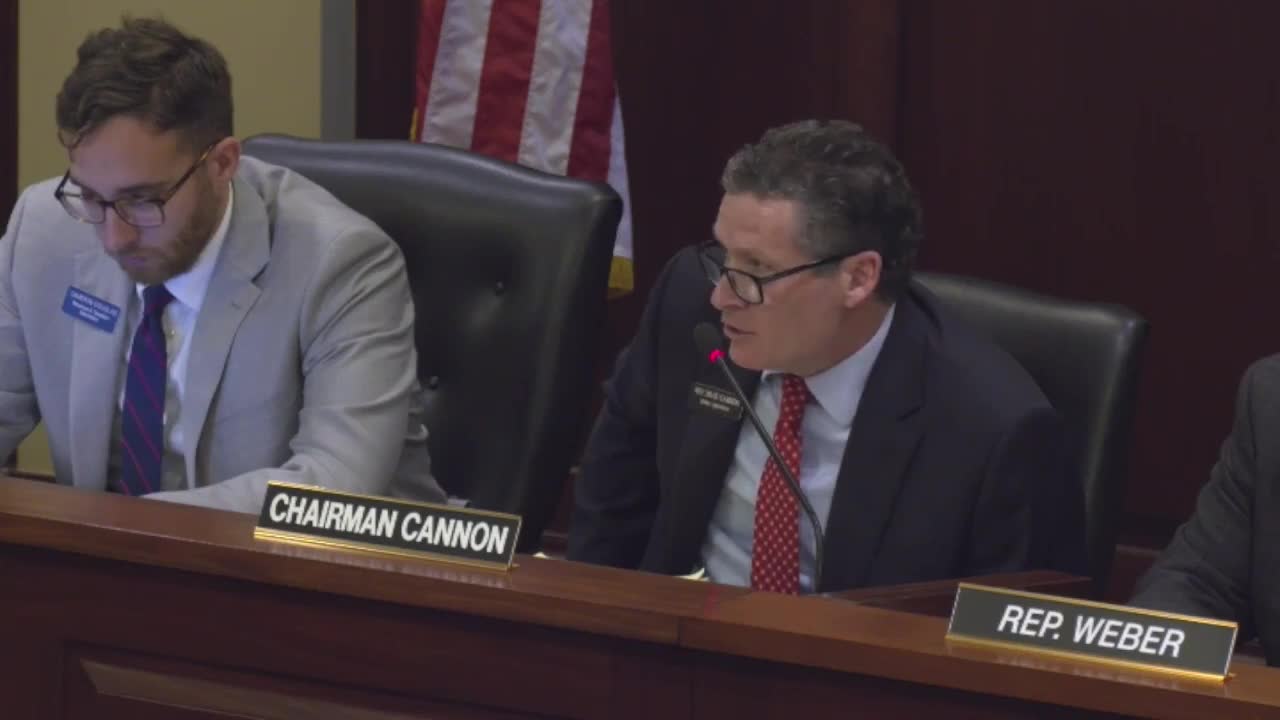
The measure was moved for introduction by Representative Shepherd and advanced by a voice vote. The committee chair announced that RS32033 "stands introduced" and said the proposal will receive a full public hearing; the chair also said the RS will be assigned House Bill 25 for formal processing.
Why it matters: The change would increase the standard grocery tax credit and create a new, limited path for taxpayers to recover grocery sales tax paid during the year. Monks estimated the proposal would amount to roughly a $50 million tax cut for Idaho households, and he said the cap on the receipt-based option was included to reduce the risk of misuse (for example, claims tied to business or event purchases rather than household groceries).
Committee discussion and questions focused on distributional effects and the state revenue estimate. Representative Gannon asked whether seniors would see a meaningful increase; Monks confirmed seniors would receive an additional $15 under the proposal. When Gannon referenced an LSO (Legislative Services Office) estimate that the state collects about $200 million in grocery sales tax, Monks replied that such estimates are imprecise because they use income-based assumptions about grocery spending and because point-of-sale receipts are not separated by product type in statewide sales collections.
Key provisions described in the hearing record: - Increase the grocery tax credit from $120 to $155. (Sponsor’s description.) - Allow taxpayers to submit grocery receipts to reclaim sales tax paid during the tax year, capped at $250. (Sponsor’s description.)
Votes and next steps: Representative Shepherd moved to introduce RS32033. The committee advanced the RS by voice vote; the chair opened the bill for a future full hearing and said it will be assigned House Bill 25. The committee did not record a roll-call tally in the transcript; the motion was approved by voice vote.
Background and limits: Monks said the $120 credit was adopted in recent years and argued inflation has reduced its purchasing power. He also said the receipt-based refund option is limited by a $250 cap to reduce the potential for improper claims. The Legislative Services Office estimate of roughly $200 million in grocery sales tax was discussed but characterized in the transcript as an external estimate rather than a committee calculation.
The committee indicated the bill will be scheduled for a full hearing where members, agency staff and members of the public may provide additional testimony.