Get Full Government Meeting Transcripts, Videos, & Alerts Forever!
Get email alerts on the Local Taxes Collection topic
No spam. Unsubscribe anytime.
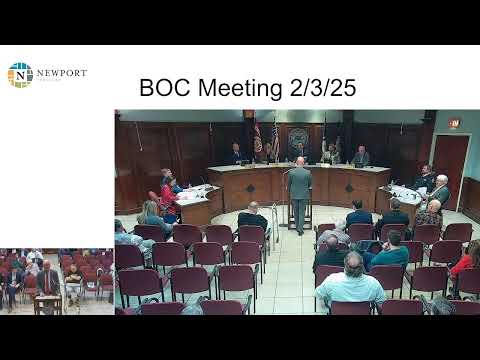
Newport commissioners adopt resolution opposing state-centralized occupational tax collection
Summary
The Newport Board of Commissioners on Feb. 3 passed a resolution opposing any 2025 Kentucky General Assembly proposal to centralize collection of local occupational/business taxes, citing loss of local control and potential new fees.
The Newport Board of Commissioners on Feb. 3 unanimously approved a resolution opposing any bill that would centralize collection of local occupational business fees or payroll taxes with the Commonwealth of Kentucky, saying such a change would reduce local control and likely add costs to taxpayers and cities.
City staff (identified in the meeting as Brian) summarized concerns and said the Kentucky League of Cities had urged municipalities to adopt opposing resolutions. Staff warned the state proposal would require the creation of a new centralized collection system, likely incur fees for taxpayers or cities and would not solve existing taxpayer confusion about where to remit local occupational taxes. “The city’s budget is derived 40% minimum by occupational license or payroll tax,” staff said during the discussion, framing the resolution as protection for an essential local revenue stream.
Commissioners argued the proposal would be an overreach and could ultimately reduce local revenue available for services. Commissioner Radwanski said the fees are the city’s “bread and butter” and expressed strong opposition. Commissioner Rekton and others noted the centralized system was described to cities as voluntary but warned the proposal would still create confusion for taxpayers who might be able to choose whether to pay the state or the city, and that taxpayers would still need to track where they worked.
A board member asked which organizations supported the idea; staff said no single organization had been identified as championing the plan and suggested the move appeared aimed at generating state revenue and could be a precursor to broader tax changes. Staff noted a bill had not yet been filed but that KLC representatives had indicated one was imminent and that other nearby jurisdictions had already approved similar opposing resolutions.
The board passed the resolution on a unanimous roll call vote. The adopted resolution instructs city staff to communicate the board’s opposition to the Kentucky General Assembly and to the Kentucky League of Cities.
Ending: Commissioners said they would receive additional information from KLC and city staff and monitor any state bills as they are filed.