Get Full Government Meeting Transcripts, Videos, & Alerts Forever!
Get email alerts on the Fingerprinting Services topic
No spam. Unsubscribe anytime.
House committee sends fingerprinting-services bill for volunteers to the floor
Summary
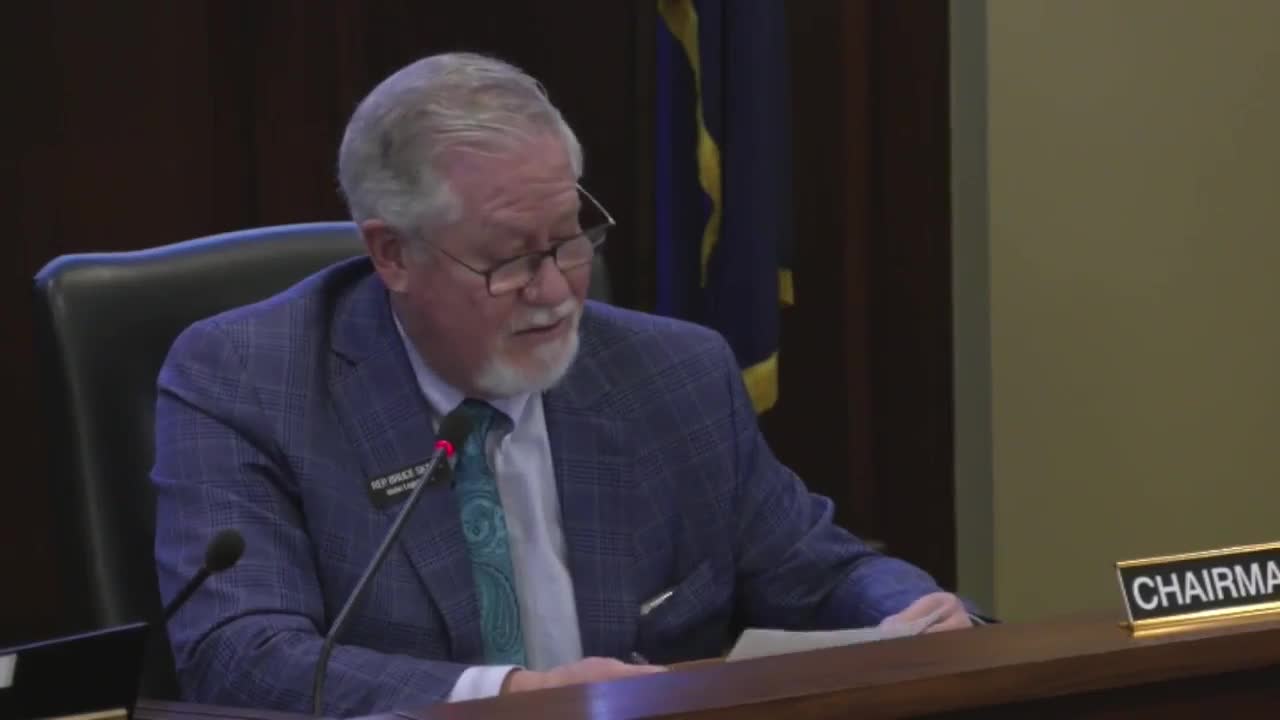
The House Judiciary, Rules and Administration Committee voted unanimously to send House Bill 19, which authorizes Idaho State Police to provide fingerprinting services for private entities working with vulnerable populations, to the full House.
The House Judiciary, Rules and Administration Committee on an initial vote Thursday sent House Bill 19 to the full House with a do-pass recommendation.
Representative Mike Pahanka, presenting the bill, said the measure amends section 67-3008 to allow Idaho State Police to provide fingerprinting services to private entities that work with “vulnerable populations.” He told the committee the change aligns state law with current practice and would not affect state, dedicated or federal funds because the entities requesting checks would bear the cost; he estimated a fingerprint check costs about $20 per person.
The bill’s author said the deputy attorney general and Idaho State Police reviewed the language and that the governor’s office had signaled support for moving forward. Lieutenant Colonel Russ Wheatley of Idaho State Police clarified that the bill would authorize ISP to offer a service to volunteer organizations and would not create a statewide mandate to fingerprint volunteers: “This is basically [to] allow the ISP to provide a service to these volunteer organizations. It’s not a policy that requires it,” Wheatley said.
Committee members asked whether the bill requires fingerprinting in all cases; presenters and witnesses answered that the bill permits fingerprinting where an organization or statute requires it, and that some organizations already require fingerprint-based checks while others do not. Representative Marco Erickson made the motion to send the bill to the floor. With no recorded opposition, the motion carried by voice vote; the chair said the vote was unanimous.
The committee also approved the meeting minutes and moved on to other agenda items.
A related clarification in committee remarks noted that the change would let organizations arrange fingerprinting and obtain criminal-history information from the FBI systems through ISP, with the requesting entity paying the fee.
The committee did not take final action to change statutory text today; it voted to advance the bill to the House for further consideration.