Get Full Government Meeting Transcripts, Videos, & Alerts Forever!
Get email alerts on the Prosthetics Orthotics Coverage topic
No spam. Unsubscribe anytime.
Hearing on prosthetics, orthotics coverage draws personal testimony and insurer concerns over medical‑necessity language
Summary
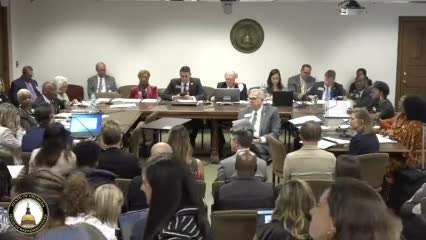
House Bill 87 drew a hearing of patients, clinicians and insurers after the sponsor asked lawmakers to expand the definition of medical necessity so insurers may cover additional prosthetic and orthotic devices for activities such as showering, exercising and adaptive sports.
Representative David Clark introduced House Bill 87 in a hearing-only session to change how medical necessity is defined for orthotics and prosthetics, seeking to allow coverage for additional devices tailored to activities of daily living and physical activity.
Clark said current law and common insurer criteria exclude devices described with specific activities — for example, running or showering — and that the bill would permit coverage when a licensed prosthetist‑orthotist (CPO) and treating physician determine a second device is medically appropriate to meet a patient’s goals and functional needs.
Multiple Georgians described how coverage gaps affect daily life. Susie Barrett, the mother of a child born without a right leg, said families often face large out‑of‑pocket expenses and must travel to metro Atlanta for services. Brad O’Malley described paying privately for heavy‑duty braces and said he had repeatedly been denied coverage for devices that allow greater activity. He told lawmakers each of his orthotic devices cost about $3,000.
Amputee athlete Merrill Wallace described raising funds and working with prosthetic manufacturers to obtain a running blade and later setting world records; he urged lawmakers to allow others the same opportunity without having to rely on donations. Rachel Oyer, who operates Alliance Prosthetics and Orthotics, urged cooperative conversations with insurers and said patients are the people caught in the middle.
Jesse Wellington, president and CEO of the Georgia Association of Health Plans, expressed a specific technical concern: the bill’s repeated language that a treating physician’s determination constitutes medical necessity. Wellington said his members have requested that language be struck because it would remove insurers’ ability to perform utilization review, which they view as necessary to prevent fraud, waste or abuse. Wellington also called committee attention to a potential Affordable Care Act issue: expanding benefit classes beyond those in effect in 2013 can trigger state budgetary impacts under federal rules.
Committee members asked whether the bill would change the existing replacement frequency for devices: current practice mentioned in testimony provides one prosthesis every three years for adults; the sponsor said the bill would allow an additional device when medically appropriate so that patients could shower or exercise without risking their primary device.
Representative Clark and advocates said they will continue to work with insurers to find a compromise; the committee recorded the bill as hearing-only and requested a fiscal note before further action.