Get Full Government Meeting Transcripts, Videos, & Alerts Forever!
Get email alerts on the Real Estate topic
No spam. Unsubscribe anytime.
Committee advances SB 201 to clarify condo defect notice, HOA rules and fees
Summary
The Senate Business and Labor Committee voted to favorably recommend SB 201, a package of real-estate-related changes that includes required notice to developers before lawsuits over condominium defects, clearer HOA fee and protest rules, and limited authority for an owner—s attorney-in-fact to handle common-area transactions.
Senate Business and Labor Committee members voted to give a favorable recommendation to Senate Bill 201, titled "Real Estate Amendments," after debate and a technical amendment.
The bill, sponsored on the floor by Senator Daniel Harper, would clarify homeowners association (HOA) rules including notice requirements for increased fees and the procedure owners may use to protest them. It also authorizes an HOA representative or an owner—s attorney-in-fact to handle certain common-area real estate transactions and requires condominium owners to notify developers and give them an opportunity to repair alleged design or construction defects before filing suit.
"Right now, with the condominiums, we have a challenge with some of those that we're not getting the insurance on those that we used to," Senator Harper said, explaining that the pre-suit notice requirement is intended to restore insurer interest in condominium projects in Utah. He said the changes were developed with stakeholders over the summer and that a small number of drafting tweaks remained.
Committee members asked procedural and drafting questions; Senator Harper said he had met stakeholders shortly before the hearing and that about eight additional drafting tweaks were expected as the bill moves through the process. The committee adopted Senate Amendment 1, described during the hearing as a cleanup amendment, and then voted to recommend the bill to the full Senate.
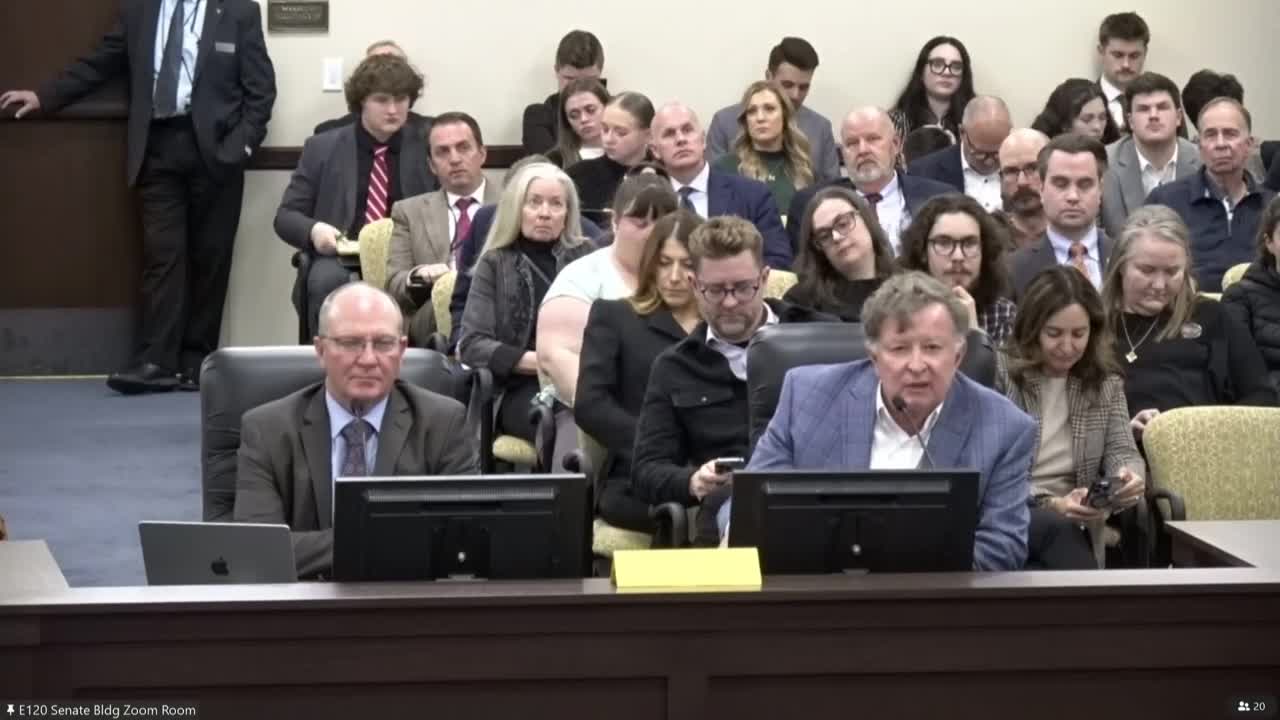
No members of the public testified in person or online on SB 201 during the committee hearing.
The committee record shows the motion to adopt Amendment 1 was approved unanimously, and the motion to favorably recommend SB 201 as amended also passed without opposition.
SB 201 now moves to the full Senate for further consideration; sponsors signaled they would continue to work with stakeholders on the drafting items raised during committee.