Get Full Government Meeting Transcripts, Videos, & Alerts Forever!
Get email alerts on the Adaptive Driving Equipment topic
No spam. Unsubscribe anytime.
House committee advances tax exemption for adaptive driving equipment
Summary
The Utah House Revenue and Taxation Standing Committee voted to pass favorably the first substitute to House Bill 79, which narrows eligibility for a sales-tax exemption on adaptive driving equipment and delegates much of the administrative verification to vehicle dealers and the Motor Vehicle Division.
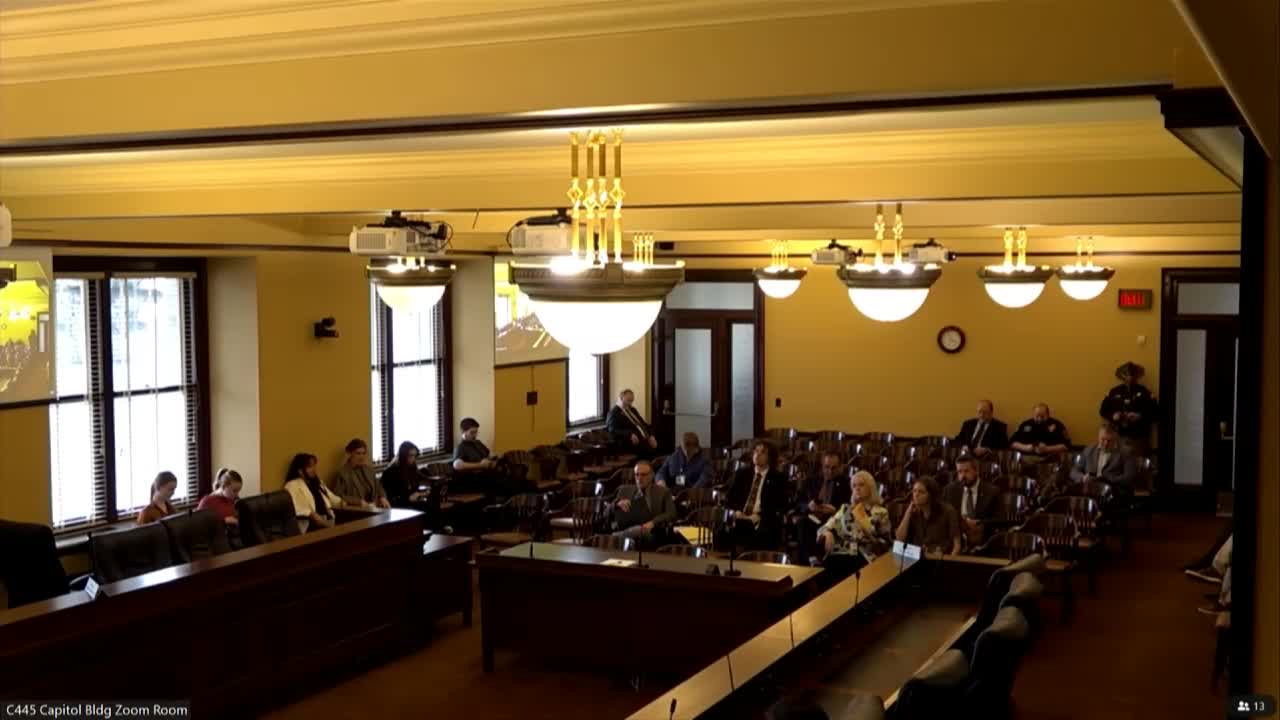
The Utah House Revenue and Taxation Standing Committee voted to pass favorably the first substitute to House Bill 79, adaptive driving equipment amendments, after the bill’s sponsor described constituent circumstances that motivated the change.
The bill, presented by Representative Watkins, would allow owners of motor vehicles with adaptive driving equipment already installed to claim a sales-tax exemption provided certain conditions are met and the vehicle was purchased through a licensed vehicle dealer. "We think it's a great idea," Representative Watkins said, describing an agreement with the Tax Commission to avoid adding administrative staff by routing verification through dealers. Watkins told the committee that a constituent had purchased a vehicle with roughly $12,000–$13,000 of adaptive equipment installed on a vehicle that otherwise cost about $5,000, creating a tax-affordability issue for the family.
The nut graf: proponents said the substitute narrows where vehicles and adaptive equipment can be purchased and shifts recordkeeping to dealers so the Tax Commission does not need to hire additional staff to check installations. Representative Watkins said the substitute lets dealers “subtract the amount for the driving equipment” when collecting sales tax and maintain normal records, reducing the Tax Commission’s enforcement burden.
In committee discussion, Representative Daley Provo moved adoption of the first substitute and then moved that the committee pass the bill out favorably. Adam Jones of the Utah Automotive Alliance, who spoke in support from the public, said the used-car industry had "no major concerns with the bill. Just a couple things" and highlighted a practical problem for used-car dealers: purchase contracts or auction paperwork do not always break out the portion of a sale price attributable to adaptive equipment versus the base vehicle. "There are a number of dealers out there that that's what they specialize in is helping, these type of customers that need wheelchair accessibility or added things to their vehicles," Jones said.
Committee members asked how dealers would determine the value of adaptive equipment when reselling vehicles; Jones and committee members agreed the valuation could be approximate (for instance using common vehicle guides) but that separating equipment value from total sale price can be difficult when equipment was added by a prior owner or via auction. Representative Daley Provo said the substitute was intended to limit eligibility in ways that reduce administrative cost but acknowledged it may "help some people but maybe not as many as we want." No roll-call tally was recorded in the transcript; the committee approved the bill by voice vote.
Ending: The committee passed the first substitute of HB 79 out of committee with a favorable recommendation; the bill will proceed according to chamber rules for floor consideration. Committee discussion and public testimony flagged two implementation issues for sponsors and agencies to resolve before floor action: (1) how dealers and the Tax Commission will apportion sale price when adaptive equipment is preinstalled on a used vehicle and (2) whether the fiscal note should be adjusted to reflect the narrower eligibility in the substitute.