Get Full Government Meeting Transcripts, Videos, & Alerts Forever!
Get email alerts on the Strangulation Forensic Exam topic
No spam. Unsubscribe anytime.
Lawmakers hear evidence program urged to cut strangulation-related prosecutions gap; advocates seek ongoing funding
Summary
Prosecutors and advocates described a forensic‑exam reimbursement program for non‑fatal strangulation that they say has increased charges and convictions; presenters requested continuing funding after two one‑time appropriations.
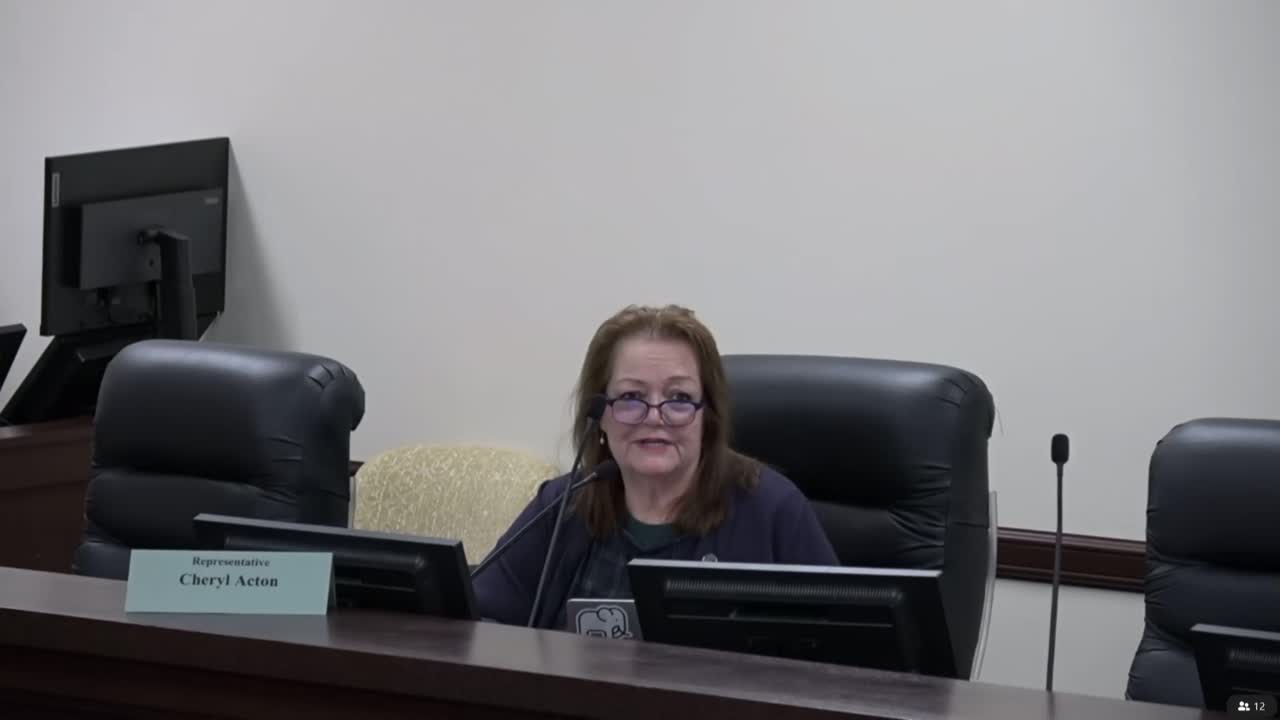
Representative Cheryl Acton and domestic-violence advocates asked the subcommittee to make ongoing an exam‑reimbursement program that covers forensic evaluations for victims of nonfatal strangulation.
Why it matters: Advocates and prosecutors said medical forensic examinations help document injuries and permit prosecutors to proceed with cases even when victims are reluctant or when injuries are not externally visible. Weber County victim prosecutor Leticia (Tish) Toombs said the exams not only provide evidence but also connect victims to health care and are often the step that leads to needed emergency treatment.
Erin Jemison of the Utah Domestic Violence Coalition told lawmakers the program — previously funded with one‑time appropriations — has shown measurable impact: she said the program led to more suspects being charged and more successful prosecutions in jurisdictions using the exam program. Jemison said the fund has been nearly exhausted early in the fiscal year and asked for a $260,000 ongoing appropriation (the coalition and Representative Acton proposed $260k in the hearing) to keep the program operating in counties currently covered and to expand availability.
Weber County prosecutor Toombs (appearing by videoconference) described specific benefits to victims: forensic nurses can identify injuries that victims do not realize are dangerous and can recommend further imaging or treatment. Toombs said the availability of funded exams reduces the burden on victims to produce corroborating evidence in court.
Ending: Committee members heard that the fund is in high demand and that continuing funding would preserve a tool prosecutors say improves case outcomes and victim safety.