Get Full Government Meeting Transcripts, Videos, & Alerts Forever!
Get email alerts on the School Budget topic
No spam. Unsubscribe anytime.
Kings Park reviews first draft of 2025–26 budget; technology, student supports prioritized
Summary
Superintendent Kevin Egan presented a first-draft $111.9 million budget that projects a roughly $2.5 million gap and a 3.13% levy increase; technology upgrades, cybersecurity and student mental-health supports were highlighted as priorities.
Kings Park Central School District Superintendent Kevin Egan told the Board of Education on Jan. 28 that the district’s first draft of the 2025–26 budget is about $111.9 million, a budget-to-budget increase of roughly 4.75 percent and a tax-levy increase of about 3.13 percent.
“Tonight is our second public presentation on the budget. It's the first draft of the budget,” Egan said, explaining the district is working through state aid projections, enrollment changes and cost drivers.
The draft budget shows a gap of just under $2.5 million that the district plans to close through continued monitoring of state aid, use of applied fund balance and reserves, and internal expenditure reviews. Egan said projected aid for the coming year is roughly $19.4 million — about 18 percent of the draft budget — and that the district will press for additional support as Albany’s budget process continues.
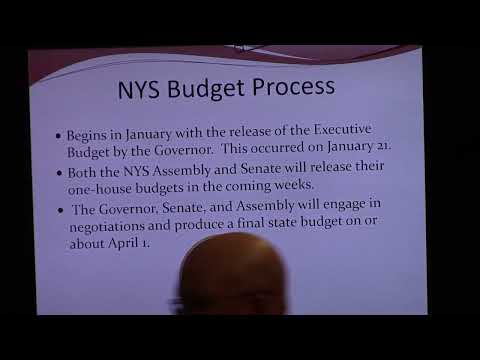
Why it matters: The board faces a multi-month window in which the governor, the state Senate and the Assembly will negotiate school-aid levels. Egan noted the governor’s executive budget included a minimum 2 percent foundation-aid increase and placed districts like Kings Park on a “safe-harmless” footing this year; he cautioned the initial figures published in local media may not reflect the district’s final entitlement once building-aid timing and preexisting adjustments are applied.
Egan and staff walked trustees through three primary cost drivers: rising insurance costs, compensation and benefits for the district’s approximately 650–680 employees, and persistent inflation. He also detailed timing and accounting nuances that make apparent state-aid increases appear larger than the district will actually receive — notably building-aid timing and changes in Universal Pre-Kindergarten (UPK) funding shown on the state run.
On UPK, Egan explained the district receives roughly $5,400 per UPK seat from the state while its outside partner (SCOPE) bills the district $6,000 per seat, meaning the district subsidizes about $600 per seat to operate some UPK sections.
Technology and cybersecurity: Director of Technology Peter Deere reviewed the technology budget lines and recent district work. Deere said the district hosted a cybersecurity exercise with the Department of Homeland Security and CISA last November to test ransomware response plans and involve building leadership and union representatives.
“We had hosted a cybersecurity exercise, through Department of Homeland Security with CISA,” Deere told the board, crediting the drill with producing actionable feedback for district plans.
Deere said the budget shifts an $18,500 contractual line into an E‑Rate equipment line to maximize federal reimbursement and extended the district’s multi-year use of BOCES purchasing vehicles to capture aid on large technology buys. Major near-term work includes replacing aging desktop PCs that will not upgrade to upcoming Windows releases, swapping end-of-life firewall and wireless access-point equipment over several years, and replacing flat-panel driver computers. Deere also noted the district added an AI platform, SchoolAI, for teacher and student use and migrated the website to ParentSquare.
School-level budgets: Building leaders presented concise budget proposals tied to instructional priorities.
- Parkview Principal Dr. Storch said textbook and instructional-material costs will rise about 15 percent, driven largely by adopting materials aligned to the science-of-reading; he cut some general office and grade-level supply lines to offset the increase.
- Fort Salonga’s presenter (identified in the record as Will Decavo Anderson) said the school will invest to update third-grade text sets and purchase decodables and matched materials to align with Parkview’s purchases.
- RJL Intermediate Principal Dr. Marino described increases in general office and paper supplies to balance digital and print needs, while lowering library and AV budgets where digital resources have reduced demand.
- William T. Rogers Principal Dr. Pascara described minimal net change to the middle school budget and requested increased resources for science textbooks and home-and-careers consumables.
- High school administrators highlighted modest increases for science, social studies and technology supplies to support performance-based and college-ready programming.
Budget totals and next steps: Egan reiterated that the governor’s executive budget is the starting point and that the district’s figures will change when state enrollment and aid data are refreshed in February and when Albany completes negotiations. He said the district’s target would be to get the levy increase under 3 percent if possible and that the board will receive another budget update in February.
The board also discussed retirement-notification deadlines (employees typically notify by Feb. 1) and the Teachers’ Retirement System (TRS) contribution rate, which the administration budgets at the high end of the state’s projected 9.5–10 percent range until a final rate is announced.
Egan closed by noting the district will continue to evaluate staffing, kindergarten registration, and the potential use of reserves and fund balance to preserve programs.
What’s next: The board will revisit the draft in February as Albany’s aid figures are updated and as the administration refines cost-reduction options and revenue assumptions.