Get Full Government Meeting Transcripts, Videos, & Alerts Forever!
Get email alerts on the Family Policy topic
No spam. Unsubscribe anytime.
Committee hears proposal for $1,200 child tax credit for families with children 5 and under
Summary
House Bill 220 would create a state child tax credit up to $1,200 for households with children ages 0–5, phasing out between specified income thresholds; proponents said the credit would reduce child poverty and help families afford essentials, while the Montana Society of CPAs opposed using the tax code.
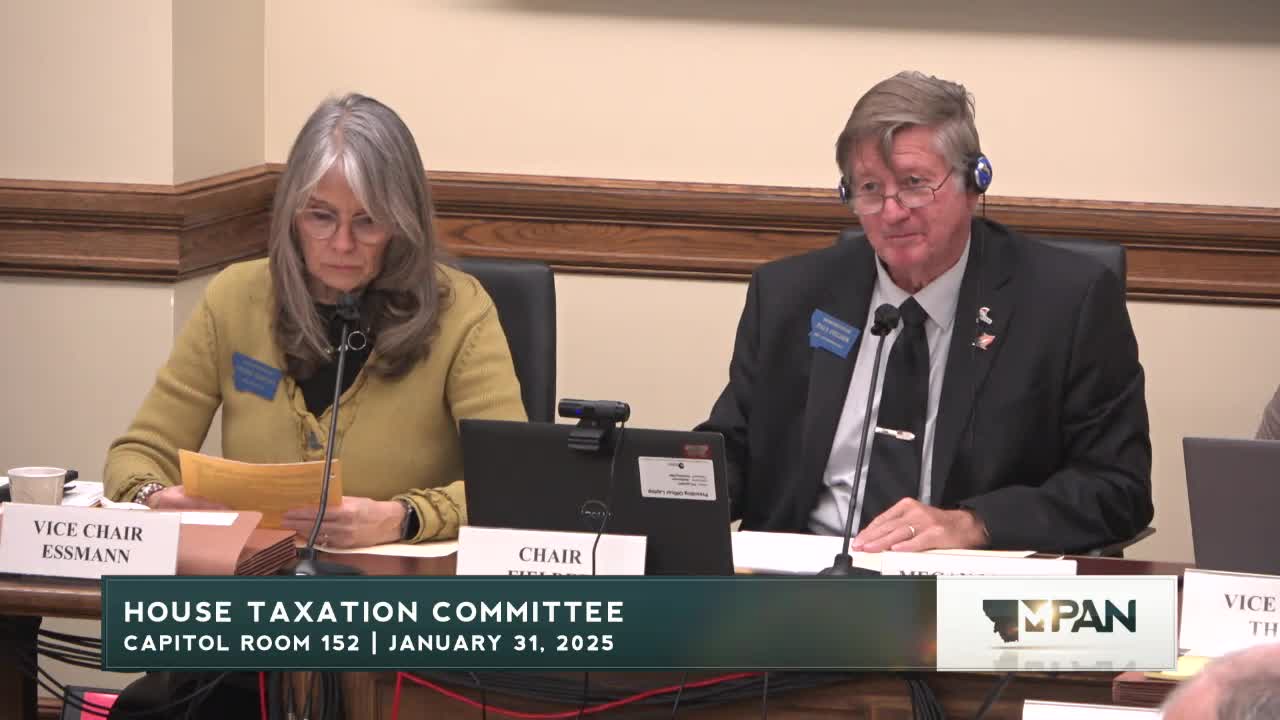
House Bill 220, a proposal to create a state child tax credit of up to $1,200 for families with children 5 and younger, was presented to the House Taxation Committee by Representative S.J. Howell on behalf of sponsor Representative Cafaro.
"House Bill 220 creates a child tax credit...it provides a credit of up to $1,200 for families with children 5 and younger," Howell said, describing the measure's design and intended focus on lower‑income households. The credit in the bill begins to phase out between household incomes of $50,000 and $58,000, Howell said.
Proponents told the committee the credit would help families cover basic needs and reduce child poverty. Rose Bender of the Montana Budget and Policy Center said expanded child tax credits have reduced child poverty in other contexts and urged lawmakers to support the bill. "Please vote yes on House Bill 220," Bender said. Kaly Wicks of 0 to 5 Montana described child‑care and household costs and said a targeted credit would help families cover expenses such as food, childcare and housing.
The Montana Society of CPAs again testified in opposition. Alan Lloyd, the society's executive director, said the group supports helping families but prefers approaches other than creating additional tax credits. "We're simply opposed to doing it through the tax code," Lloyd said.
Department of Revenue staff were present to answer administration and fiscal questions. Aaron McNay described the fiscal estimate process and said the department adjusted national and state data for Montana's income distribution and the bill's narrower age and income eligibility to arrive at cost estimates. Brian Olsen, a tax specialist with the department, said he was available to discuss administration of the credit.
Committee members asked about short‑ and long‑term effects. Proponents cited immediate benefits such as spending on food and baby supplies and longer‑term evidence that reducing childhood poverty improves education and economic outcomes over time. Revenue staff told the committee their estimate considered Montana income tax returns and applied demographic adjustments to estimate eligible households and dependents.
The committee did not vote on the bill during this hearing. The sponsor and proponents encouraged lawmakers to advance the measure for further consideration.