Get Full Government Meeting Transcripts, Videos, & Alerts Forever!
Get email alerts on the Public Health Meth Remediation topic
No spam. Unsubscribe anytime.
Senator introduces bill to license meth remediators and create voluntary remediation certificates
Summary
A bill hearing before the Senate Natural Resources Committee considered a proposal to create a voluntary state certificate of habitability for properties remediated from methamphetamine contamination and require licensing of firms offering meth remediation services.
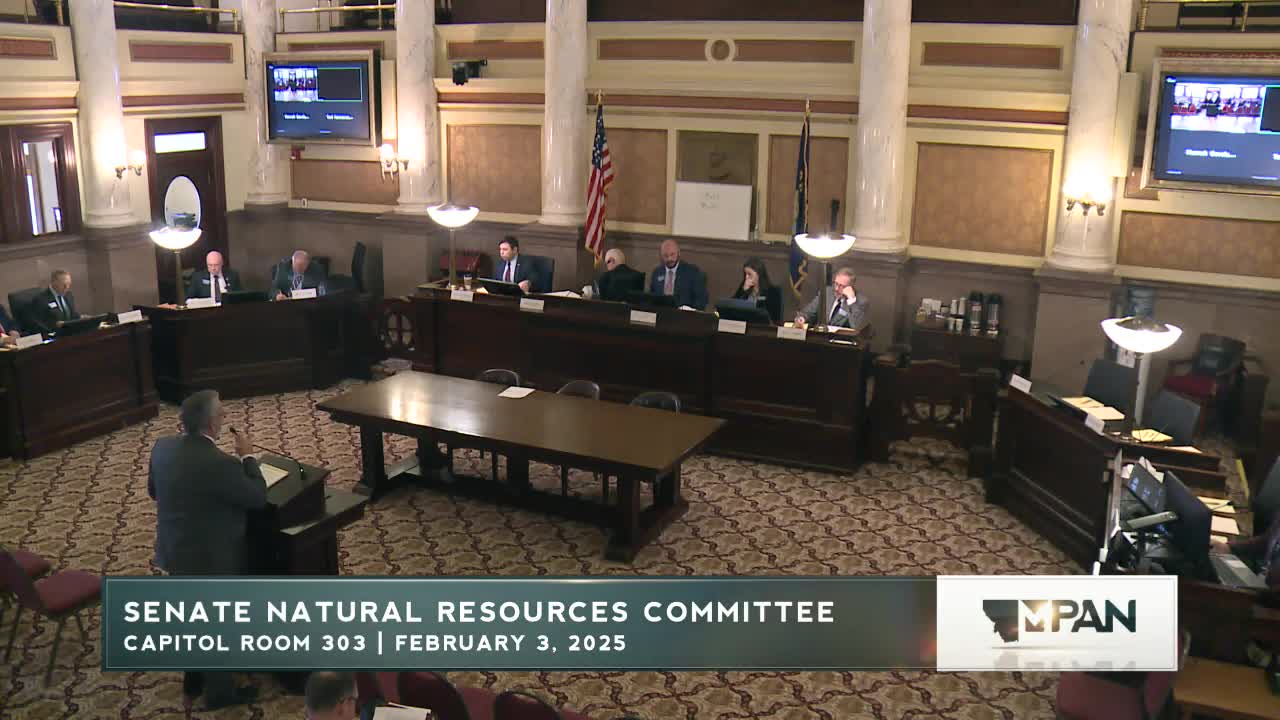
Senator Vince Rickey, R-Laurel, opened a hearing before the Senate Natural Resources Committee on Senate Bill 201, which would let property owners volunteer to have former methamphetamine-contaminated properties remediated and certified by the state and would require companies offering meth remediation to be licensed in Montana.
The bill’s sponsor said the measure is voluntary and intended to ensure that property owners who want the service can receive reliable remediation and a “clean and livable home.” "Senate bill 201 is a bill that will allow property owners that have been affected by methamphetamine issues in the state to have their properties properly remediated and issued a certificate of habitability by the state," Rickey told the committee.
A real estate agent and one of the bill’s proponents, John Sinrude, described a transaction in Kalispell in which a seller provided a remediation certificate but independent testing found remaining "hot spots" and elevated residuals in an HVAC system. Sinrude said current state practice ties DEQ involvement to law-enforcement referrals and does not provide a path for a private owner to obtain a state-issued certificate. "We found out that in the ADU that they remediated, there were still hot spots in there," Sinrude said, explaining why he supports licensing remediators and a voluntary DEQ program.
Several other proponents described gaps in information and access. Mary Kay Demers urged narrowing the bill’s language to focus on methamphetamine specifically and suggested technical review of the microgram thresholds and certification reciprocity provisions. "Property contaminated by methamphetamine residues or other dangerous drug residues I think it should just be methamphetamine," Demers said, asking for clearer definitions and indemnity language for certificate holders.
A longtime landlord, William Staffeldt, said voluntary guidance would be useful but warned the measure could create new regulatory burdens if certification triggers additional inspection regimes. He described removing carpeting and cabinets after a tenant smoked meth and said the cost of remediating such damage was substantial.
Amy Steinmetz, DEQ’s Waste Management and Remediation Division administrator, appeared as an informational witness and told senators DEQ staff were available to answer technical questions about remediation standards and the department’s current processes.
Committee members asked technical questions about sampling protocols and HVAC testing. Senator Curti asked why the bill requires six surface samples, including three from HVAC systems; sponsor Rickey said he proposed the number based on DEQ’s current practices and to capture distribution via HVAC systems. Senator Nolan asked a proponent about the remediator’s response when a follow-up test found contamination; the witness said the company declined further action and the buyers considered small-claims court before negotiating a settlement.
The hearing ended with the sponsor asking for a do-pass recommendation. No committee vote was recorded at the hearing’s close and the committee chair closed the public hearing on SB 201.
The bill as drafted would (1) create a voluntary DEQ program to issue state certificates of habitability after remediation of methamphetamine contamination; (2) require licensing and training for businesses that represent themselves as meth remediation contractors; and (3) prohibit DEQ from publishing addresses of voluntary participants in the program, per the sponsor’s description at the hearing.
The hearing record includes proponents who asked clarifying technical changes and an informational presentation from DEQ; opponents did not appear in the room. The committee did not take a formal vote on SB 201 during the hearing.