Get Full Government Meeting Transcripts, Videos, & Alerts Forever!
Committee hears bill to curb medical-debt collections, extend insurance-appeal time
Summary
Lawmakers and witnesses at a House Health and Human Services hearing considered House Bill 273, which would limit certain medical-debt collection practices, extend windows for insurance appeals and protect a modest bank-account exemption for patients facing collection.
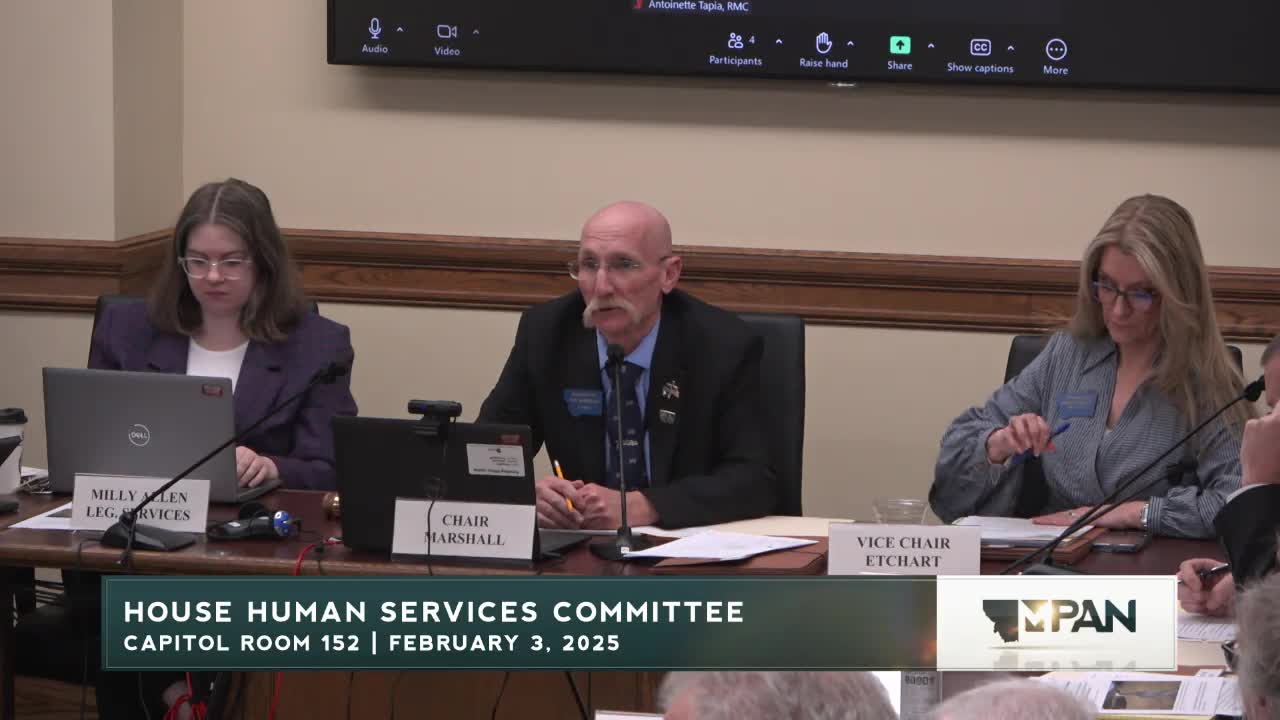
Representative Ed Staffman, sponsor of House Bill 273, opened a committee hearing Feb. 3 by saying the proposal is aimed at Montanans struggling with medical bills. “People in my district and also throughout Montana are worried about the rising cost of living, especially health care,” Staffman said, introducing what he called the Montana Medical Debt Patient Protection Act.
The bill would prohibit a set of “extraordinary collection actions” by health-care creditors, require notice and additional time for patients to complete insurance appeals, limit some garnishments and preserve a minimum bank-account exemption. The sponsor and proponents said the bill borrows provisions used in neighboring states and is designed to let patients resolve disputes without immediate, severe collection consequences.
Why it matters: Committee witnesses said medical debt is widespread in Montana and can cascade into housing loss, job loss or other financial harms. Staffman cited a statistic he provided to the committee that “1 in 10 Montanans has medical debt in collections.” Witnesses from tribal communities and legal-aid groups described how delays or denials from Indian Health Service and private insurers can leave patients unexpectedly liable for large bills.
Key provisions discussed - Prohibited collection actions: The bill would bar certain collection measures against medically related debts, including causing or threatening arrest, placing liens on a patient’s primary residence except as required by federal law, foreclosing on a primary residence except as required by federal law, and…
Already have an account? Log in
Subscribe to keep reading
Unlock the rest of this article — and every article on Citizen Portal.
- Unlimited articles
- AI-powered breakdowns of topics, speakers, decisions, and budgets
- Instant alerts when your location has a new meeting
- Follow topics and more locations
- 1,000 AI Insights / month, plus AI Chat