Get Full Government Meeting Transcripts, Videos, & Alerts Forever!
Get email alerts on the Digital Government topic
No spam. Unsubscribe anytime.
State IT projects in HB10: DNRC GIS and water rights upgrades; MDT traveler and fuel tax systems
Summary
The chief information officer and agency staff summarized HB10 technology requests: DNRC seeks cloud migration for GIS and business‑process modernization for water rights and permitting; MDT asked for a new integrated 511 and modernization of its motor‑fuel tax system.
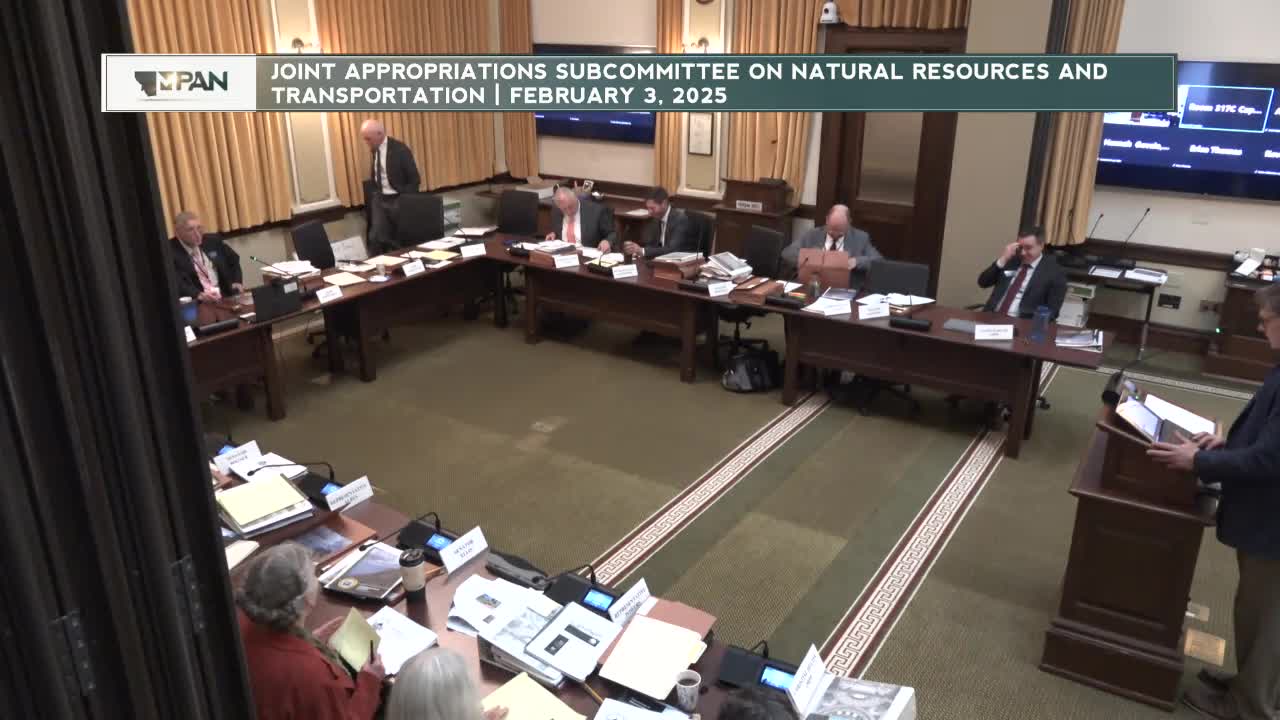
The state chief information officer and agency representatives presented the House Bill 10 technology package, describing targeted IT modernization for the Department of Natural Resources and Conservation and the Department of Transportation.
Kevin Gilbertson opened the HB10 briefing noting the distributed set of projects and providing a printed long‑range technology book for committee members. For DNRC the projects include migration of the department’s geographic information system to a managed cloud solution, modernization of the water‑rights information system (digitizing business processes and improving data management) and a licensing/permitting system that adds mapping and automated workflows.
MDT presented two projects: an integrated 5‑1‑1 road condition and traveler‑information system intended to bring real‑time road conditions together with variable‑message, detection and traffic‑management devices; and a modernization of MDT’s motor‑fuels tax distributor system to replace legacy software, improve auditing and customer service.
MDT staff said the 5‑1‑1 update could be integrated into broader state “no‑wrong‑door” online access goals so users can find traveler information through common interfaces without having to know which agency manages the underlying system.
Why it matters: Older, siloed agency systems create inefficiencies for staff and customers; the projects are pitched as operational upgrades that support better data, improved citizen services and interagency interoperability.
Next steps: Agencies said they are available to brief the committee further and to provide additional technical documentation during HB10 work sessions.