Get Full Government Meeting Transcripts, Videos, & Alerts Forever!
Get email alerts on the Animal Welfare topic
No spam. Unsubscribe anytime.
Advocates urge council to strengthen spay/neuter enforcement and improve shelter transparency
Summary
Several speakers during public comment urged the Memphis City Council to address an increase in stray dogs, stronger spay/neuter enforcement, better collaboration with rescues and more transparency and oversight at Memphis Animal Services.
Speakers at the Feb. 4 Memphis City Council public-comment period urged the council and the mayor’s office to act on an overcrowded animal shelter, a recent distemper outbreak and gaps in spay/neuter enforcement.
The nut graf: Animal advocates described a surge in stray dogs, limited enforcement of the city’s sterilization ordinance, and insufficient coordination between rescue organizations and the city shelter. They asked the council to hold meetings with rescue groups, the mayor’s office and law-enforcement partners to develop a coordinated response.
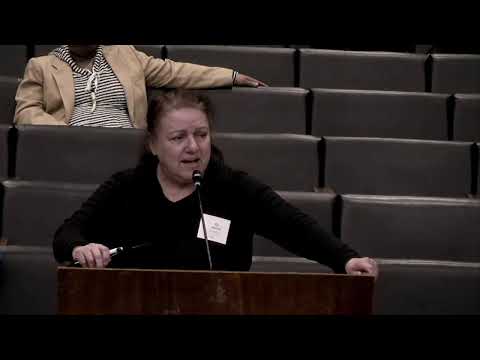
Sherry Hoffman, an attorney and a Memphis-based approved dog foster, told the council, “We have an explosion of stray dogs in our community. These dogs often end up in our overcrowded shelter and tragically many, too many, are euthanized.” Hoffman said the city ordinance requires sterilization only on a second violation and recommended that sterilization be mandatory on the first violation to reduce shelter intake and euthanasia. She added that enforcement should be combined with services to assist underserved communities rather than punish them.
Hoffman also said recent disease outbreaks at the shelter have amplified the problem: “...this distemper at the shelter resulting in 100 dogs being euthanized.” She urged the council to convene a multidisciplinary group that includes the mayor’s office, Memphis Animal Services, the rescue community and the district attorney’s office to develop practical enforcement and support strategies.
Faviola Francis, another speaker during public comment, called for greater transparency and a clear follow-up from the mayor’s office: “We ask that the mayor come up with his 90 day plan follow-up. We ask that the city council get involved.” She described barriers to existing spay/neuter programs, noting distance and wait times for low-cost services and asking the council to help expand access.
What advocates want: speakers asked for (1) mandatory sterilization at first violation, (2) increased access to low-cost spay/neuter services in neighborhoods with limited transportation, (3) routine shelter audits and door-to-door or community outreach to reduce stray populations, and (4) regular meetings between rescue organizations, Memphis Animal Services and the council to coordinate policy and operations.
Council response and next steps: the transcript records public comment and multiple requests for follow-up; no formal council action or vote on animal-shelter policy was recorded at this meeting. Advocates asked the council to schedule meetings and to press the administration for a written 90-day plan; those follow-up requests were made during public comment and will require separate committee or administrative action to implement.
Why it matters: advocates say stronger enforcement coupled with neighborhood access to services could reduce shelter overcrowding and taxpayer costs and decrease animal suffering. The council received repeated appeals for clearer communication and for the council’s direct involvement in oversight and planning.
Ending: The speakers left the council with specific requests for a 90-day administrative response, expanded spay/neuter access and a formal forum for coordination; the council did not record a motion or vote on those requests during the meeting.