Get Full Government Meeting Transcripts, Videos, & Alerts Forever!
Littleton arts board refines lodgers‑tax grant application language and questions ahead of February opening
Summary
The Arts & Culture Board reviewed the draft lodgers‑tax grant application for the 2025–26 funding cycle, discussed word limits, applicant eligibility, partial‑funding questions and budget reporting, and set a Jan. 31 deadline for board feedback to staff ahead of finalizing the application for February.
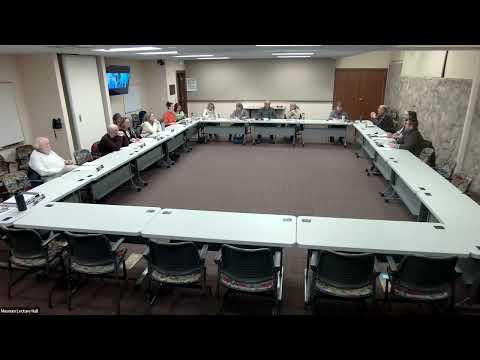
At its Jan. 9 meeting the City of Littleton Arts & Culture Board reviewed a draft application for the 2025–26 lodgers‑tax arts and culture grant program and discussed edits intended to clarify eligibility and improve decision information for reviewers. Staff said the application will open in February after the board and staff finalize wording.
Board members and staff debated several technical changes: adding a recommended word limit for project descriptions (the group tentatively agreed on about 250 words), clarifying nonprofit and city‑boundary eligibility, requiring a basic project…
Already have an account? Log in
Subscribe to keep reading
Unlock the rest of this article — and every article on Citizen Portal.
- Unlimited articles
- AI-powered breakdowns of topics, speakers, decisions, and budgets
- Instant alerts when your location has a new meeting
- Follow topics and more locations
- 1,000 AI Insights / month, plus AI Chat