Get Full Government Meeting Transcripts, Videos, & Alerts Forever!
Get email alerts on the State Legislation Education topic
No spam. Unsubscribe anytime.
Sheridan County School District No. 2 leaders urge caution on several pending state education bills
Summary
Superintendent Stultz and trustees discussed multiple Wyoming bills affecting reserves, certification and curriculum, urged legislative fixes and reported outreach with lawmakers; public commenters warned against measures they said would lower teacher standards and allow guns in schools.
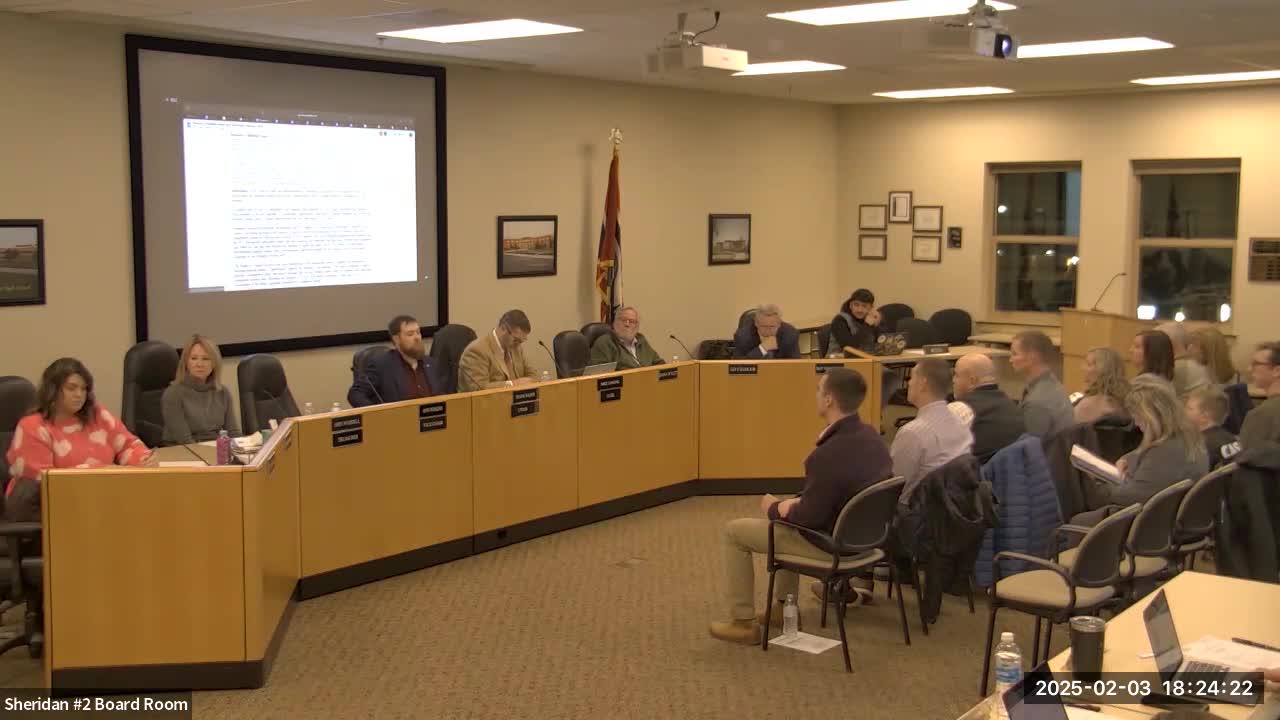
Superintendent Stultz told the Sheridan County School District No. 2 Board of Trustees on Jan. 27 that several bills before the Wyoming Legislature could affect district finances, staffing and curriculum, and he urged caution and further revision.
Stultz said House Bill 30 (which in 2022 increased district reserve requirements from 15% to 30%) currently sunsets in 2026; he described House Bill 137 as a proposal that would extend that reserve requirement to 2028. He told trustees the district’s reserves are about 23.5% under current accounting and that the district is monitoring benefits and salary-schedule work aimed at retaining staff.
Why it matters: The bills discussed would change district budgeting timelines and staffing flexibility at a state level and could affect local operating reserves and the district’s ability to budget for personnel and benefits.
During his report, Stultz and trustees described multiple bills they’d reviewed in Cheyenne, including Senate File 178 (reading instruction), House Bill 200 (curriculum transparency), and Senate/House files described as the Educational Bankruptcy Act (Senate File 173). Stultz said he testified before the Senate Education Committee on SF 178 and recommended changes; the committee agreed to table the bill while it is reworked.
Trustees and staff also discussed House Bill 100, which trustees said is intended to allow experienced workers to teach CTE (career and technical education) without the traditional four‑year route. Stultz and trustees said the Professional Teaching Standards Board (PTSB) already allows experienced professionals to seek certification via portfolio and that the bill’s intent may have been misunderstood by some sponsors.
Public commenters at the meeting criticized several bills by name. Katherine Johnson told the board she opposes House Bill 100, saying it “slaps our teachers and administrators in the face,” and warned that allowing inexperienced adults in classrooms would harm students. She also spoke against bills she said would allow guns in schools and would place parental consent requirements on instruction about inclusion.
Melinda Abbott asked the board to revisit the district’s seclusion and restraint policy (the topic appears in the proposed student handbooks discussed later), saying Wyoming policy language is “loosely worded” and can permit outcomes that concern parents. Ian Cannon Wallace and other public speakers urged continued support for public schools and for treating schools as community institutions rather than marketplaces for competition.
Discussion vs. decision: The meeting record shows discussion and advocacy but no board-level changes to district policy on the bills; trustees described their legislative outreach (meetings in Cheyenne with Representative Bratton and Senator Crago) and urged community engagement with legislators. Board members said they are optimistic about the Senate’s willingness to refine education-related bills.
Context: Trustees described hosting an advocacy event attended by about 70 people and noted ongoing monitoring of bills that would alter certification, curriculum requirements and funding flows. Stultz and trustees emphasized the district’s commitment to professional staff and to working with PTSB for alternative certification pathways where appropriate.
Ending: Trustees encouraged constituents to engage with state lawmakers and noted the board would continue to track legislative developments and report back at future meetings.