Get Full Government Meeting Transcripts, Videos, & Alerts Forever!
Get email alerts on the Operating Budget topic
No spam. Unsubscribe anytime.
Salem board debates partial restoration after $1.1M operating‑budget cut; no final vote
Summary
Following a roughly $1.1 million reduction by the town budget committee, the Salem School Board discussed restoring between $500,000 and $1 million to the proposed operating budget and using retained fund balance to limit tax‑rate impact; the board scheduled follow‑up and did not adopt a final position at the Jan. 21 meeting.
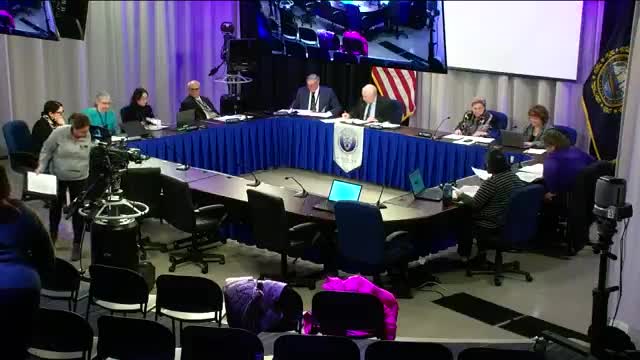
At the Jan. 21 Salem School Board meeting, board members and administrators held an extended discussion about the district’s proposed operating budget after the town budget committee recommended approximately $1,100,000 in cuts.
Assistant Superintendent Debbie Payne and Attorney/Board Member Bernard Campbell led the budget conversation. Campbell described a “blended approach” that would restore part of the cuts (he suggested a restoration in the neighborhood of $900,000 to $1,000,000) while using unreserved or retained fund balance to offset the immediate tax‑rate impact. He told colleagues the district’s current recommended tax‑rate increase (before any additional restorations) was about 3.57%; he noted the default budget would translate to roughly 4.13% and said a full $1 million restoration would push the modeled tax rate toward about 4.9% unless offset.
Board members debated whether to match the town’s tax‑rate percentage, aim for the default tax impact, or seek another compromise. Campbell said roughly $450,000 would reduce the modeled tax impact from 4.9% to about 4.3% and that about $700,000–$750,000 more would be needed to push the modeled rate below 4.0%, figures the board discussed as illustrative. Administrators noted available reserves: a recent receipt of approximately $1.2 million in an impact‑fee account and other retained funds that could be used to temper tax‑rate effects but cautioned that spending reserves is a one‑time option and reduces capacity for future years.
Superintendent Mara Palmer and Payne emphasized that the proposed budget prioritized staff salaries, special‑education positions, food‑service staffing and essential maintenance items; they warned that cuts could affect mandated services for students with individualized education programs (IEPs). Board members raised tradeoffs: some favored restoring more to avoid service gaps and vacancies (including special‑education aides and a maintenance/custodial position), while others urged caution about drawing down reserves and the public tolerance for tax increases.
After extended discussion the board did not adopt a final restoration plan at the meeting and directed staff to return with updated figures, including the town’s finalized percentage and projections for available retained funds. The board scheduled continued budget work for the following week and signaled a preference among members to present a plan that both restores key items and explains to voters how retained funds would limit near‑term tax impacts.
Ending: No final vote was taken. The board asked administration to provide updated calculations for a follow‑up meeting.