Get Full Government Meeting Transcripts, Videos, & Alerts Forever!
Get email alerts on the Basic Needs Food Security topic
No spam. Unsubscribe anytime.
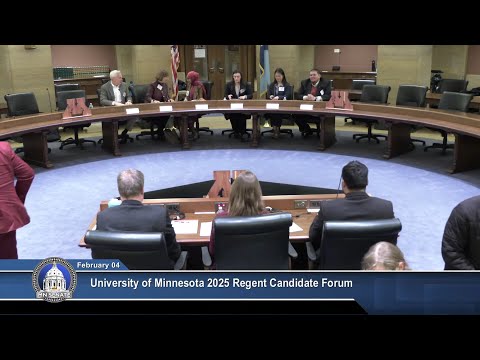
Candidates call for basic‑needs metrics and partnerships as student food insecurity persists
Summary
Student candidates and regent hopefuls told the forum that food insecurity and housing instability are persistent problems; they urged including basic‑needs metrics in the strategic plan, sustaining successful grants and pursuing partnerships to expand on‑campus affordable food options.
Multiple candidates at the University of Minnesota Alumni Association forum described student food insecurity and housing worry as pressing issues and urged structural responses, including measurable commitments in the university’s strategic plan.
"We are currently a food desert," said Flora Yang, a student regent candidate and vice president of Professional Student Government, summarizing campus basic‑needs gaps. She added that several campus food‑assistance programs exist but that gaps remain and said the university should adopt basic‑needs metrics in its new strategic plan and sustain grant‑funded programs.
Student candidates described both small, student‑led solutions and system‑level fixes. Dylan Young, a Morris campus candidate, said student organizers have proposed and run programs such as grocery access shuttles, and he supported exploring a campus grocery store as a long‑term option. Madeline Rowe and other candidates advocated expanding emergency grant funding and structuring promise programs so they address the full cost of attendance — not just tuition.
Several candidates recommended partnerships with businesses, alumni and community food providers to create affordable, culturally appropriate on‑campus food choices and urged integrating basic‑needs considerations into campus planning and real‑estate decisions. Ellen Lugar, who has professional experience addressing food insecurity, recommended collecting detailed data to shape interventions and listening closely to student stakeholders.
Candidates offered proposals rather than board decisions; no formal commitments were made during the forum. The repeated calls to include specific basic‑needs metrics in planning documents could become a measurable expectation for the Board of Regents and university administration going forward.