Get Full Government Meeting Transcripts, Videos, & Alerts Forever!
Get email alerts on the Mental Health Crisis Services topic
No spam. Unsubscribe anytime.
Tennessee mental health agency reports 988 usage, crisis diversion and school programs
Summary
Officials from the Department of Mental Health and Substance Abuse told the House Population Health Subcommittee that 988 and the crisis continuum are routing tens of thousands of Tennesseans to care, with mobile crisis, crisis stabilization and school-based liaisons credited with reducing hospitalizations.
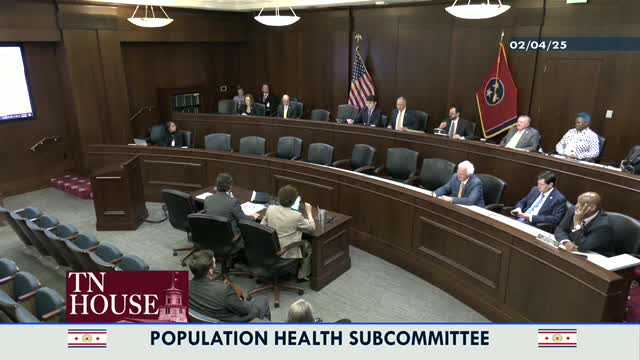
At a practice meeting of the House Population Health Subcommittee, leaders from the Tennessee Department of Mental Health and Substance Abuse summarized crisis services, 988 lifeline usage and investments in community and school-based behavioral health programs.
A department presenter (identified in the transcript as the department commissioner’s office) described the department’s mission and noted data showing widespread need for services: officials said 43,000 calls to the 988 lifeline came from Tennessee numbers in fiscal year 2024, along with about 9,000 texts and chats. The department also reported roughly 17,000 crisis-line calls through other statewide crisis numbers; officials said the combined contacts approach 70,000 and that crisis assessments led to diversion from inpatient hospitals in about 63% of completed assessments.
Deputy Commissioner Matt Yancey, who the presenter identified as overseeing community behavioral health programs, said the state had implemented mobile crisis teams, crisis stabilization units and walk-in centers in partnership with TennCare and that Tennessee was prepared when 988 launched nationally. “In FY 24, September, just in calls, received over 43,000 calls from Tennessee numbers,” Yancey said. He added that texts and chat are important for reaching young people who are more likely to use non‑voice channels.
The department described a crisis continuum that includes same-day assessments and mobile responses; officials said about 63% of crisis assessments were diverted from hospitals, which the department characterized as a cost and access benefit compared with inpatient stays.
Officials also described school-based behavioral health liaison positions funded by the state: the department said roughly 390 funded liaison positions are colocated in school settings and are employed by community mental health centers; those liaisons provided direct services to students, support for families, and training for teachers and staff. The department said fill rates for those positions were roughly 88% before the most recent expansion and about 75% including the expansion that began in July.
Speakers outlined other initiatives the department oversees or supports: the Creating Homes Initiative (CHI), which the department said has leveraged significant private and public investment to create housing options; Tennessee Recovery Courts (expanded from 49 to 92 courts); Project Rural Recovery mobile units that served more than 4,600 unique clients with nearly 11,000 visits; certified peer recovery specialists; faith-based recovery initiatives; regional overdose prevention specialists; and recovery navigators who connect overdose survivors in hospitals to treatment and local recovery supports.
Representative John Gillespie asked about repeat callers to 988 and whether the state can track callers who do not follow recommended next steps; officials said the department is building reporting capabilities and can track provider-level repeat contacts but does not yet have a comprehensive statewide report on repeat callers. Representative Ron Travis asked how homelessness-related mental health needs are being addressed; the department pointed to PATH-funded outreach (a federal program administered through local providers), crisis services and the Creating Homes Initiative as parts of the response and urged local legislators to contact provider CEOs when they see people in need so providers can respond directly.
Officials said the opioid abatement funds are routed through the department to community programs but that the Tennessee Opioid Abatement Council determines local allocations. The department reported a decline in overdose deaths in recent data from the Department of Health and credited combined prevention, naloxone distribution and treatment investments. On school mental health, officials and members said anxiety and depression are the leading concerns and that social-media use and smartphones are contributing factors, particularly among adolescents.
The department closed by thanking the committee for prior investments and said it will follow up with committee members on specific local data and provider contacts.