Get Full Government Meeting Transcripts, Videos, & Alerts Forever!
Get email alerts on the Special Education Basics Framework topic
No spam. Unsubscribe anytime.
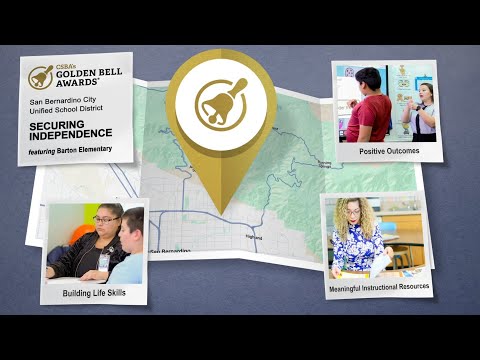
Basics framework aims to build independence for students with moderate-to-severe disabilities, speakers say
Summary
Speakers at a meeting described a "basics" curriculum framework intended to develop practical life skills and greater independence for students with moderate-to-severe disabilities, starting in transitional kindergarten and continuing through age 18 and above. No formal action or vote was recorded.
Speakers at a meeting described a "basics" curriculum framework designed to help students with moderate-to-severe disabilities build independence by teaching practical life skills from transitional kindergarten through age 18 and above.
Speaker 1, a staff member, said: "The special thing about our basics framework is that it gives teachers an opportunity to really see what the needs are of our students, our moderate to severe students with, disabilities, and and then provide them with opportunities to continue to be the best they can be in learning the 5 different domains so that ultimately they have independence when they become an adult." Speaker 1 added that the framework is meant to be applied beginning at "TK preschool" and continued upward so students can take skills "out into the community, out into their life."
The speakers described the framework as a consistent curriculum that moves with students across grade levels. "Because we have our basics, we have the consistency that goes from kinder all the way to 18 and above," said Speaker 2, a staff member. One speaker gave an example of measurable progress: "If at a TK Kinder level, we're standing in our seat for 30 seconds, and at first grade level, we're able to do it for 3 minutes, fantastic. Every year, we wanna grow upon and and build into that so that when they do become, adults and active members of society, they are able to stand at their position for 30 minutes at the cash register or whatever they need and we can accommodate that for them," said Speaker 3, a staff member.
Speakers emphasized practical, daily-living skills. "Sometimes our population is overlooked and so here is something tangible that the teachers can use and that is functional for the kids as far as like how to cook, how to wash dishes. We want them to have jobs. We want them to maybe live on their own, maybe shared living. And so we try to make our kids as independent as possible where they are at," Speaker 2 said.
Speakers also highlighted teacher collaboration and staff roles. "We are very proud of our teachers and their collaboration, their collegiality, their willingness to, focus on what students' needs are. And because of the great work that they've done together, other countries have come and visited our moderate to severe classrooms. They've seen our students. They've seen our teachers. I was a part of a meeting from, with a group of, educators from Vietnam, and they came to see what we're doing here because that may not be available to them in their country," Speaker 1 said. On support staff, Speaker 3 said, "Yeah. I absolutely could not do my job without my paraprofessionals. They're absolutely amazing. You know, like we said, we we do want our our students to be as independent as possible, but we also wanna meet them where they're at."
This discussion was descriptive: speakers outlined the curriculum goals, examples of student progress, and the role of teachers and paraprofessionals. No formal motions or votes on the basics framework were recorded in the transcript provided.
No additional agencies, funding details, or formal implementation timelines were specified during the discussion.