Get Full Government Meeting Transcripts, Videos, & Alerts Forever!
Get email alerts on the Shore Power topic
No spam. Unsubscribe anytime.
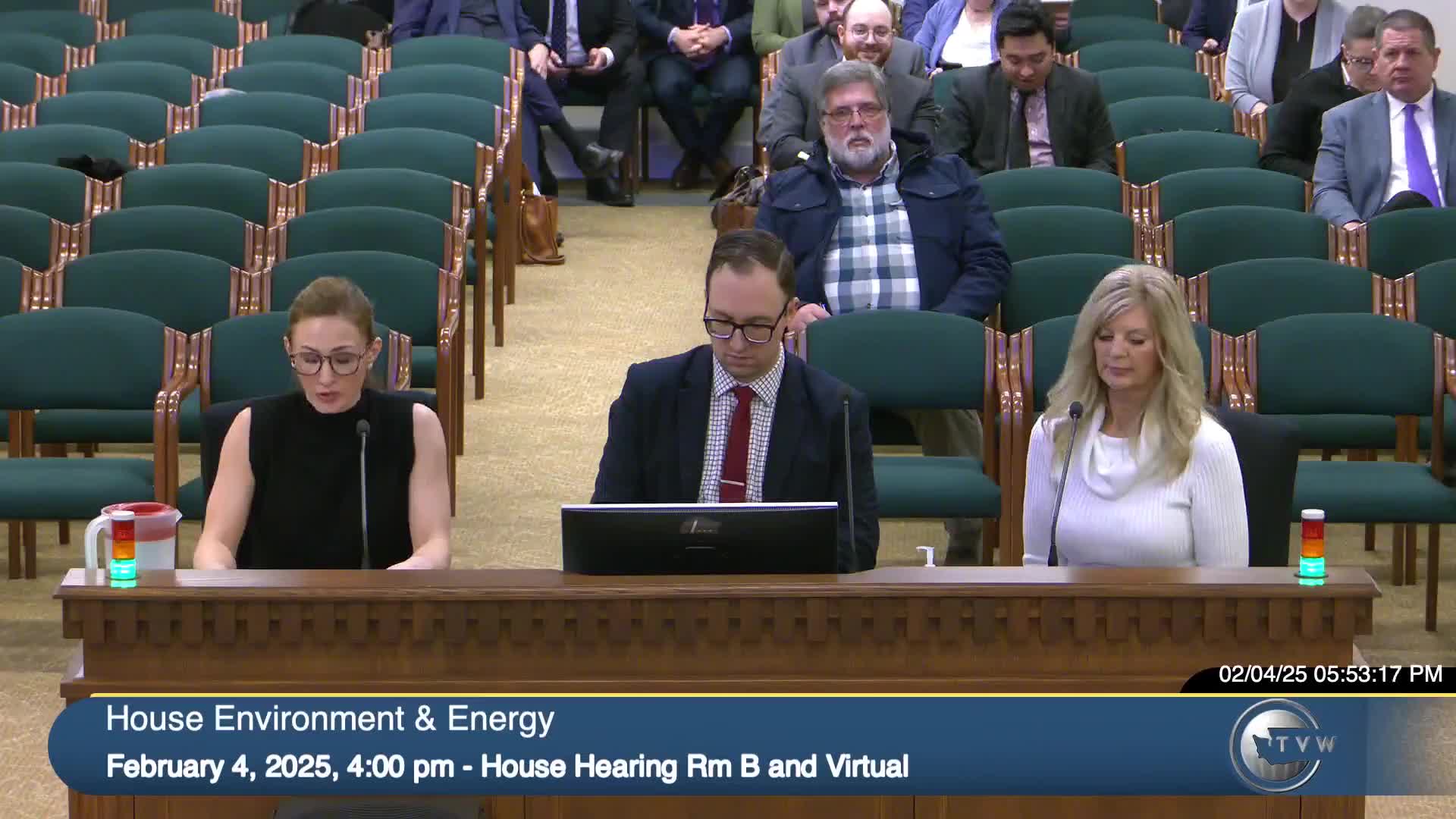
Debate over shore power mandate heats up: health advocates back HB 16 89; ports, shipping and terminals warn of costs and power constraints
Summary
House Bill 16 89, requiring shore power or approved emission controls for vessels at berth, drew strong testimony on health and equity benefits from community and labor groups and warnings from ports and carriers about costs and grid limitations.
House Bill 16 89, which would require ocean-going vessels to use shore power or approved emission-control strategies while at berth, prompted lengthy testimony about public-health benefits, equity concerns and practical implementation barriers.
Supporters including climate and public-health groups, union representatives and community advocates urged the committee to adopt shore-power requirements. Dr. Brett Lebegue of Washington Physicians for Social Responsibility said diesel and bunker-fuel particulate matter “causes low birth weight babies, heart and lung disease in children, cancer, and even a higher risk of dementia.” The IBEW’s Matthew Huebner said shore-power projects would create work for certified electricians and pledged union support for electrification investments.
Community members from near-port neighborhoods such as Mia Ayala Marshall of the Duwamish River Community Coalition described local health disparities and said shore power would reduce diesel particulate matter in the communities most affected by ports and maritime traffic.
Opponents included the Northwest Seaport Alliance, several port organizations, terminal operators and industry groups. John Flanagan of the Port of Seattle and Sean Egan of the Northwest Seaport Alliance warned that the bill effectively creates a California-style mandate without ensuring sufficient funding, electric infrastructure, or utility capacity; Flanagan said an individual berth retrofit could cost about $7 million in a recent grant application example. Industry witnesses said many terminals are not shore-power capable and that retrofits and grid upgrades can take years and hundreds of millions of dollars.
Ports and shipping-line representatives also warned of potential economic consequences: Sean Egan said nine cargo terminals not shore-power capable could be affected, supporting an estimated 40,000 jobs and producing significant state tax revenue.
Department of Ecology staff confirmed the bill would reduce diesel particulate matter and greenhouse gases if implemented, and said they were participating in a JTC study whose findings will inform implementation. Ecology noted potential issues where state law must be identical to California regulations and offered technical input for the committee.
The hearing record shows broad support for cleaner air and infrastructure investments, and broad concern about timing, funding and electrical capacity. The transcript does not include a committee vote on HB 16 89 in the provided excerpt.