Get Full Government Meeting Transcripts, Videos, & Alerts Forever!
Get email alerts on the Government Operations topic
No spam. Unsubscribe anytime.
Monroe County commissioners review ordinance to clarify expedited payment of claims
Summary
County staff presented a draft amendment to Chapter 267 to let the auditor pay specified claims before commission approval, tighten the definition of "emergency," add certain vehicle and utility payments, and direct that expedited payments be used only to avoid harm; no formal vote was taken and the item will be placed on next week's agenda.
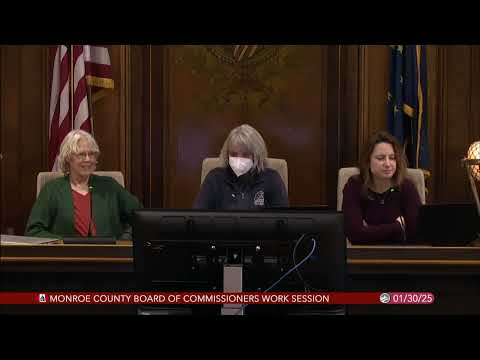
Monroe County commissioners discussed an ordinance (2025-6) to amend Chapter 267 of the county code so the auditor may make expedited payments on specified claims before the board meets for final approval.
County staff said the amendment would list categories of claims the auditor can pay in advance to avoid harm or risk, clarify that "emergency" means a situation that could not reasonably be foreseen and that threatens public health, welfare or safety, and add utility payments and certain vehicle and large-equipment purchases to the advance-pay list when the underlying purchase was approved at a public meeting.
The change aims to reduce operational delays and unintended consequences that county staff described during the work session. County staff said the auditor's office had been receiving a large number of emergency claims that did not match the code, and that the local code contained a requirement for a commissioner to sign emergency claims that has resulted in practical delays. "Expedited payment of claims essentially means claims that would be paid before it comes to a commissioner meeting for approval," a staff member said. Commissioner (unnamed) said the change would reduce the need for commissioners to stop and sign emergency claims via DocuSign: "This will eliminate that piece."
Specific additions discussed include: utility payments and utility connection charges; a definition of "emergency" limited to unforeseeable threats to public health, welfare or safety; and purchases of vehicles, large equipment and machinery when the order was previously approved by the commissioners at a public meeting. Staff also proposed a new section directing officials to use the expedited process only when failing to do so would create harm or risk; otherwise the regular claims process should apply.
Commissioners noted a practical example: sheriff's vehicles that were ordered and delivered but could not receive title or current plates until payment was completed, producing temporary plate expirations. The staff member said the revised language would allow payment in those situations when the vehicle purchase had already been approved publicly. The commissioners did not vote on the ordinance during the work session; staff said the draft would be put on the next meeting agenda for formal consideration.
Background: participants said the county last amended the relevant code in the mid-2000s and that the proposed changes are intended to align county practice with statutory guidance and reduce administrative friction. No formal vote or ordinance adoption occurred at the work session.