Get Full Government Meeting Transcripts, Videos, & Alerts Forever!
Get email alerts on the School Discipline topic
No spam. Unsubscribe anytime.
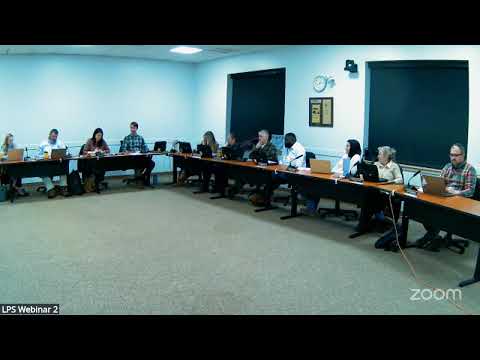
Lewiston school committee hears widespread concern over student behavior, discusses policy and early-intervention steps
Summary
Parents, teachers and committee members urged stronger, consistent discipline and earlier social-emotional supports after multiple public comments and committee discussion about bullying, assaults, bathroom safety and classroom disruptions.
A broad cross-section of parents, teachers and school committee members told the Lewiston Public Schools committee on Feb. 3 that student behavior — from swearing and fights to alleged assaults and bathroom safety concerns — is eroding learning time and teacher morale.
During a long public-comment period, several speakers shared personal accounts: Janet Boden, a school committee member, read a letter from her daughter describing repeated humiliation by a teacher, lost assignments and frequent fights in hallways. ‘‘I have been yelled at and humiliated in front of my classmates by a teacher,’’ Boden read. Parents and staff described incidents that included a concussion on a bus, pepper spray at school and a persistent culture of disrespect, especially at the middle- and high-school levels.
The concerns prompted an extended committee discussion about existing legal limits, district policy and possible local responses. Superintendent Jake Langla and Assistant Superintendent Karen Paquette told the committee that federal and state rules (including IDEA and ADA) limit disciplinary options when behaviors are tied to disabilities and noted recent state changes that restrict some suspension authority. Langla said the district has held 25 disciplinary hearings since August and expelled 16 students through those processes this school year.
Committee members and speakers repeatedly urged an early-intervention focus: expand social-emotional supports and programs that give students structure and purpose. Several speakers pointed to RootEd, an alternative program in which returning students showed marked improvement, and urged expanding similar skill-building and community-service models to elementary grades. ‘‘We need to start at the bottom,’’ Member Marla McLaughlin said, arguing for more resources at the elementary level so behavior patterns do not harden by middle school.
Some commenters pressed for firmer, consistent consequences for classroom infractions such as swearing or cellphone misuse. Teachers who spoke said restorative justice is being implemented in parts of the district but warned that restorative practices require real accountability and staff capacity; as one Franklin teacher put it, ‘‘If students are cussing at teachers and don’t have consequences, you’re not doing restorative justice.’’
Committee members agreed to pursue follow-up steps rather than immediate policy changes at the meeting. Several members asked administration for more data about disciplinary hearings and restorative-practice outcomes and discussed forming a smaller working group to review current policies, legislative proposals, and practical interventions that would be feasible under existing law. Superintendent Langla said he would bring more concrete proposals and legislation summaries in coming weeks.
The committee did not take formal votes on discipline policy at this meeting; members said they would continue work with administration, staff and community groups to identify options.
Looking ahead, several speakers and members urged practical changes such as reinstating or increasing middle-school recess time, restricting cell phones during class, expanding social-emotional staff at elementary schools, and bringing in external experts for extended trainings and workshops. The committee signaled willingness to explore those proposals and asked administration for timelines and data to inform future agenda items.