Get Full Government Meeting Transcripts, Videos, & Alerts Forever!
Get email alerts on the Public Health Opioids topic
No spam. Unsubscribe anytime.
Commission appropriates opioid‑abatement funds after debate over treatment priorities and oversight
Summary
The commission moved to appropriate $244,608.12 from opioid‑abatement funds and redirected $19,608.12 to increase the line for treatment of incarcerated people after the sheriff described proposed in‑jail and prevention programs. Commissioners pressed for reporting and oversight before disbursement.
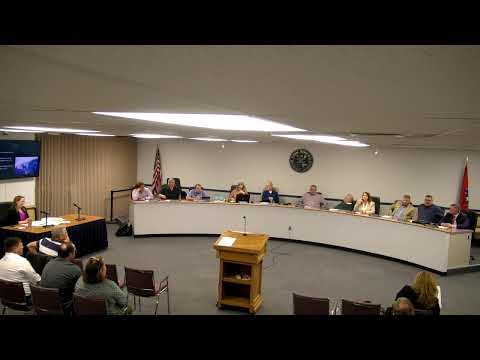
The Loudon County Commission voted Feb. 3 to appropriate $244,608.12 from the county’s opioid‑abatement account and approved a staff amendment reallocating funds to expand a treatment line for incarcerated people after hearing from Sheriff Davis and other stakeholders.
Why it matters: Opioid‑abatement settlements carry restrictions on allowable uses and are intended to fund prevention, treatment and recovery services. How counties allocate those dollars determines what services local residents and people in custody will receive and affects sustainability of programs after the settlement dollars taper.
Sheriff Davis told the commission the sheriff’s office views the funds as an opportunity to deliver evidence‑based programs to people while they are in custody. “I think it’s our responsibility to help aid those people to get back where they can be a productive member of society,” Sheriff Davis said. He described prior and planned in‑jail vocational and life‑skills programs, efforts to certify peer recovery specialists, potential partnerships with community groups for reentry and plans to seek larger Department of Justice grants to broaden scope.
Budget committee recommendations presented a set of allocations that included funding lines for treatment, prevention and naloxone (Narcan) purchases. During the meeting Erin Rice, director of accounts and budgets, notified the commission that Sheriff Davis had secured Narcan through a grant; commissioners then moved $19,608.12 from the Narcan line into a treatment line for incarcerated people, making that line $119,608.12 as amended. The meeting record states that the commission approved appropriations described by the budget committee and the amendment.
Several commissioners cautioned about the limits and longevity of abatement dollars. Participants noted the county must appropriate abatement funds within a schedule set by the state and abatement council; meeting discussion indicated substantial additional settlement proceeds will continue to be distributed over the coming years but that the annual amounts will decline. Commissioners and staff emphasized the need for clear reporting and accountability: the Smart Initiative (the settlement abatement oversight body referenced in the meeting) recommended county reporting requirements, and several commissioners said they would hold disbursement until recipient agencies provided program plans and reporting commitments.
What the commission decided: The meeting record shows the commission approved the budget committee’s recommendations for opioid funds and an amendment to increase the incarcerated‑treatment line to $119,608.12 (the amendment redirected $19,608.12 after the sheriff secured Narcan by separate grant). Commissioners directed the budget committee and county staff to require reporting from recipient organizations and to coordinate with the Smart Initiative and the sheriff’s department on allowable uses and monitoring before releasing funds.
Next steps: Commissioners asked the budget committee to develop reporting standards and to convene agencies that would receive funds so the commission can review program plans before issuing disbursements. Sheriff Davis said he would continue developing program specifics and pursue larger grants to expand services.
Ending: The county appropriated the funds during the Feb. 3 meeting; staff and the budget committee will follow up with reporting requirements and with any further allocations in later budget cycles.