Get Full Government Meeting Transcripts, Videos, & Alerts Forever!
Get email alerts on the Medicaid Contracts topic
No spam. Unsubscribe anytime.
Committee introduces bill to align Medicaid value‑based contracts with state fiscal year
Summary
Rep. John VanderWaiter introduced RS 31996 to move Medicaid value‑based payment agreements onto Idaho's July‑to‑June fiscal year and allow short extensions of existing contracts so performance can be reviewed before negotiating new agreements. The committee voted to introduce the proposal.
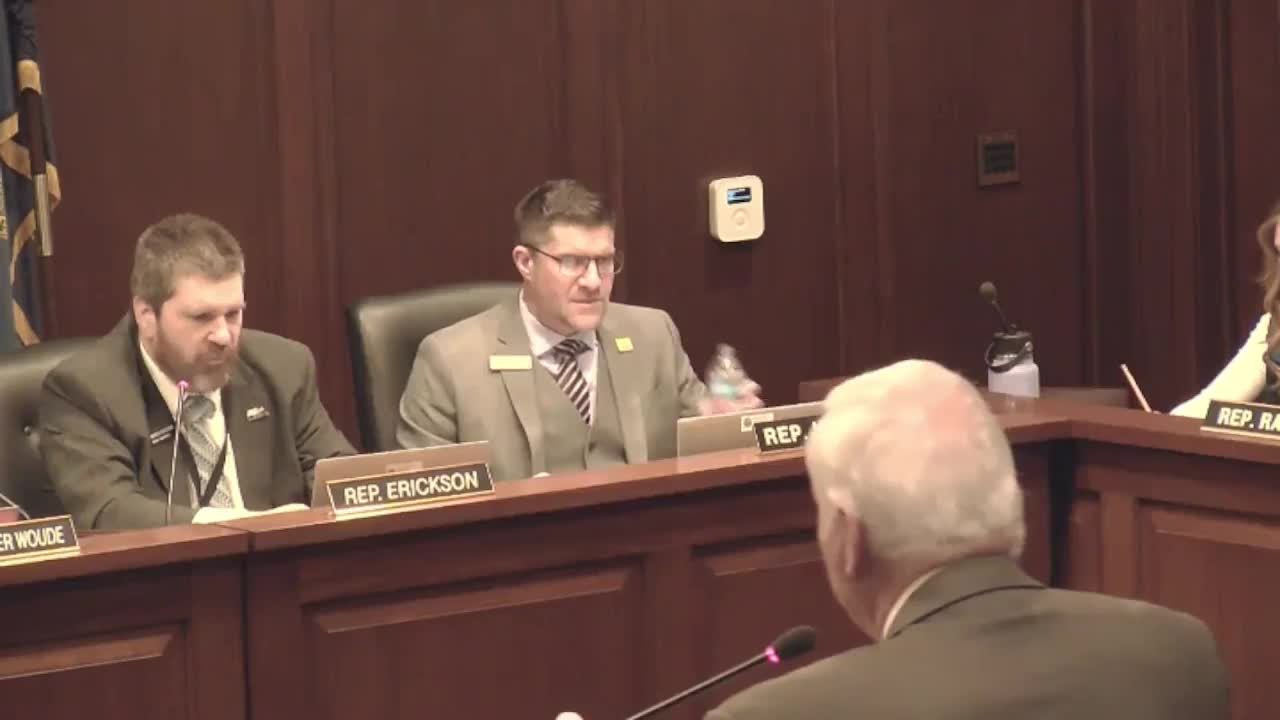
Representative John VanderWaiter, R‑District 22, told the House Health and Welfare Committee that RS 31996 would align Medicaid value‑based payment agreements with the state's July 1–June 30 fiscal year so the Legislature can review contract performance before new agreements are negotiated.
"They run on a fiscal year on a calendar year from January to December. Our fiscal year runs from July 1 to June 30," VanderWaiter said, describing how the current schedule delays performance review because final results are not available until months after contracts end. "If the contract ends on our fiscal year, we then . . . can review it in January before we start negotiating a new contract."
VanderWaiter said the mismatch means the state often receives final contract performance information only after a new contract has been signed. The bill would place value‑based contracts on the state fiscal year and allow existing contracts to be extended to bridge timing differences so reviews occur before negotiations begin. "It stipulates in the bill that that contract could then be extended . . . till we get to the January date. So the existing contracts would carry over until the next . . . six months," VanderWaiter said.
Representative Jordan Redmond moved to introduce RS 31996. The committee approved the motion by voice vote; no opposition was recorded.
No fiscal note change or specific budgetary amounts were discussed during the introduction. The committee did not take additional action beyond voting to introduce the bill.
The introduction restores timing control for legislative review but does not, at this stage, change benefit design, payment levels, or create new program authority. Any subsequent committee hearings would be expected to include fiscal analysis and contract language if the bill advances.