Get Full Government Meeting Transcripts, Videos, & Alerts Forever!
Get email alerts on the Physician Assistant Licensure topic
No spam. Unsubscribe anytime.
Idaho lawmakers split over naming PA national exam amid DEI concerns
Summary
The House Health and Welfare Committee approved a physician assistant rule package but removed a line that would have named the national certifying exam (PANCE) after members raised concerns about diversity, equity and inclusion language associated with the certifying body.
The House Health and Welfare Committee approved pending rules for physician assistant licensure but removed a provision that would have named the national certifying exam, drawing a sharp, at-times partisan debate over diversity, equity and inclusion and the limits of legislative rulemaking.
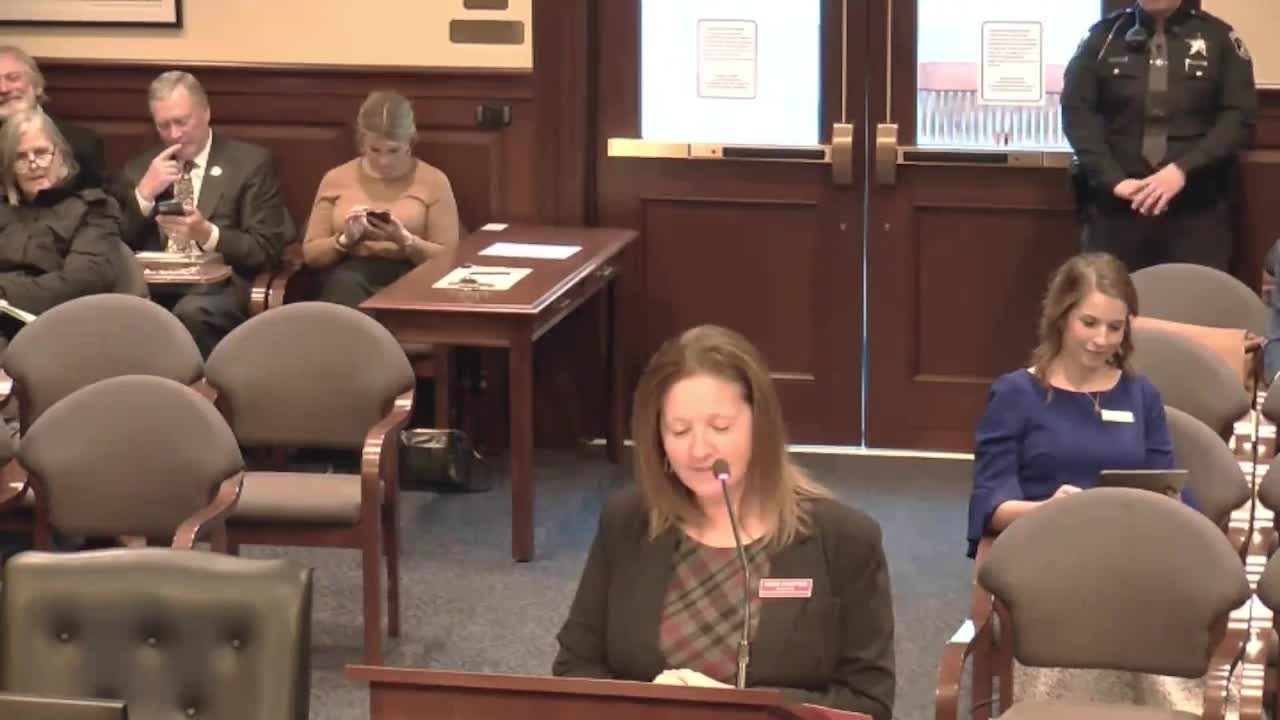
Nikki Chopsky, bureau chief for the Health Professions Bureau at the Division of Occupational and Professional Licenses and executive officer for the Idaho State Board of Medicine, told the committee the statute requires an exam be identified in rule and that the routinely used test is the Physician Assistant National Certifying Examination, or PANCE.
The debate centered on whether naming PANCE in the rules implicitly endorsed the certifying organization — the National Commission on Certification of Physician Assistants (NCCPA) — and whether the NCCPA’s public statements about diversity, equity and inclusion (DEI) were appropriate to codify in Idaho rule. Representative Redmond supported removing the reference to the exam, saying the state should not enshrine an external organization’s policies in rule. Representative McCann offered a substitute motion to approve the docket without the exception, arguing that PANCE is the only available, psychometrically valid exam for PA licensure and that removing it would not change the practical licensing process.
Committee members exchanged procedural and policy points: Ms. Chopsky said rejecting the provision would not stop the department from licensing PAs or from using the existing national exam; she also warned that creating an Idaho-specific examination would be costly and would require outside psychometric expertise. Representative Wheeler asked about costs and was told developing a state-specific exam could run into the hundreds of thousands of dollars; Ms. Chopsky said national exams require significant investment in security, psychometrics and question-banking.
A roll-call recorded during consideration of the substitute motion resulted in the substitute failing by a narrow margin (8–7). The committee then accepted the original docket with the exception removing the new rule that would have named the exam (new rule 100.01); the committee chair announced the motion carried by voice vote.
Why it matters: The committee’s action keeps the PA licensure rules intact while removing a specific reference to the named national exam, a small but symbolic decision that legislators said signals whether Idaho will list external organizations or their policy stances verbatim in state rules. The decision does not alter the practical pathway to licensure, Ms. Chopsky said.
Discussion points and next steps: Committee members asked the division to monitor national testing organizations and to report any substantive changes that would affect Idaho licensees. Lawmakers also discussed the state cash balance for the advisory committee; Ms. Chopsky reported a FY24 cash balance of $215,356.11 for the advisory committee overseeing these licensees, and the advisory committee had voted to recommend a fee reduction of 15.5 percent to the Board of Medicine.
The committee approved docket 24-3302-2401 (physician assistant licensure rules) with the exception of new rule 100.01 naming the certifying exam; the committee also recorded the failed substitute motion to approve the docket without exception (8–7).