Get Full Government Meeting Transcripts, Videos, & Alerts Forever!
Get email alerts on the Environmental Pollinators topic
No spam. Unsubscribe anytime.
New Moline Pollinator Preservation Committee secures Bee City USA designation and plans community plantings
Summary
Kelly Nacci said the newly formed Pollinator Preservation Committee secured Bee City USA designation with city council approval and will coordinate native-plant projects, outreach and volunteer habitat work with local partners in 2025.
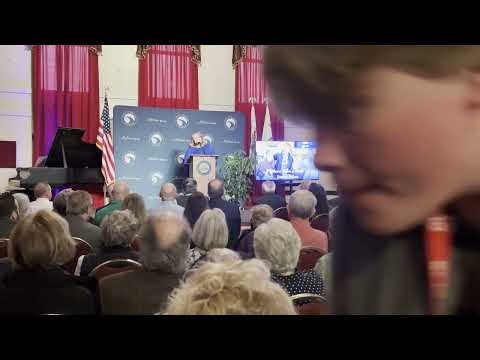
Kelly Nacci, a Moline resident and volunteer, told the Carnegie Library audience that the city’s new Pollinator Preservation Committee has achieved official Bee City USA designation and that the committee plans native-plantings, educational outreach and volunteer habitat projects with partners across the Quad Cities.
The designation comes through Bee City USA, an initiative administered by the Xerces Society, Nacci said, and the committee’s initial goals include increasing native plantings, reducing pesticide use and maintaining nesting habitat for native pollinators. Nacci said the city council officially approved the committee’s Bee City resolution last month.
Nacci said the committee has already begun outreach and planning with groups such as Quad Cities Wild Ones, the Boys and Girls Club and the city’s neighborhood partners and plans to host events and coordinate volunteer work in 2025. The speaker said the effort grew from a conversation with the mayor and the cooperation of multiple city departments.
Why it matters: Native pollinators play a role in local ecosystems and food production, and the designation signals a citywide commitment to habitat actions and community education.
Ending: The committee said it will use the Bee City designation to coordinate public events and habitat projects in 2025; specific project sites and budgets were not detailed during the remarks.