Get Full Government Meeting Transcripts, Videos, & Alerts Forever!
Get email alerts on the Code Enforcement topic
No spam. Unsubscribe anytime.
Residents press council on nuisance property permitting and fines; staff offers follow-up meetings
Summary
Two residents used the non-agenda public comment period to raise code-enforcement concerns: a property owner seeking to demolish a nuisance property said his demo permit was rejected and another resident contested repeated fines and difficulty reaching staff. City officials offered to meet individually to review each case.
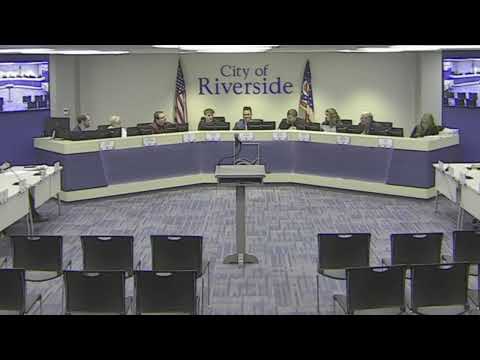
Two Riverside residents addressed the council during the non-agenda public-comment period to challenge city code-enforcement actions and request staff assistance.
James (Jim) Zugelter, who said he lives at 382 Grange Hall Road in Beavercreek and owns a property on 484917 Linden Avenue in Riverside, said he purchased the property without knowing it had been designated a nuisance and that city staff had rejected his demolition permit. He said his sister signed some application documents under a power of attorney and that he had been in a lead-abatement class the week staff set a deadline. "All I'm trying to do is get rid of a nuisance for the city of Riverside," Zugelter said. The manager and the law director offered to meet with him to review the specifics, and the manager noted complications can arise when state grant dollars are attached or when the land bank is involved.
Paul Houston of 2326 Guernseydale said he has a property on Forest Home and detailed multiple fines he had received, asserting he had repeatedly tried to contact city staff for extensions and received no response. "I work 70, 80 hours a week," Houston said, and said that made it difficult to address violations in a short timeframe. The manager and law director offered to meet with Houston to review the violations and payment options; staff asked for call logs or times when he attempted to contact the city to help investigate.
In both cases staff did not provide immediate enforcement reversals at the meeting but committed to set up follow-up meetings with the law director and city manager to review case documents and discuss next steps.
The public-comments segment produced no council directives beyond arranging individual follow-up with staff.