Get Full Government Meeting Transcripts, Videos, & Alerts Forever!
Get email alerts on the Community College Funding topic
No spam. Unsubscribe anytime.
House committee advances bill to raise community college tuition cap to $3,250
Summary
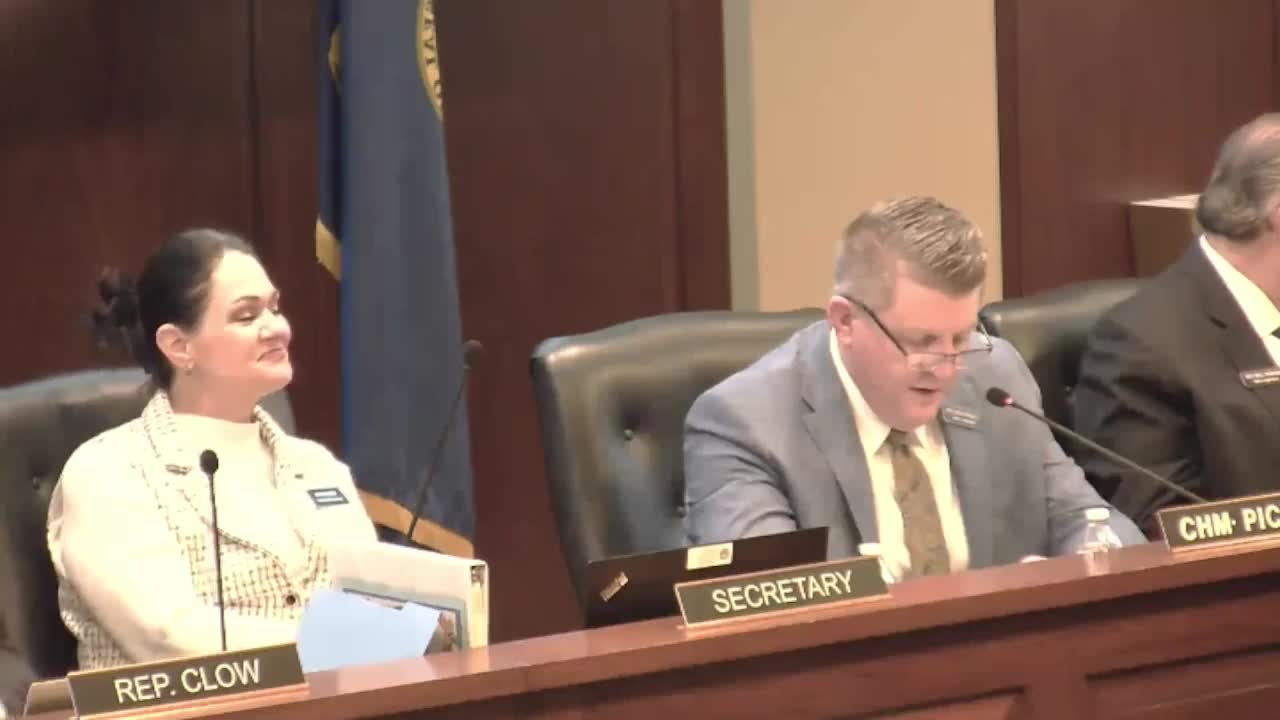
Representative Lance Clow, R.-District 25, asked the House Committee on Education on Feb. 3 to raise the statutory cap on community college tuition from $2,500 to $3,250, saying the increase would help colleges respond to staffing and market wage pressures.
Representative Lance Clow, R.-District 25, asked the House Committee on Education on Feb. 3 to raise the statutory cap on community college tuition from $2,500 to $3,250, saying the increase would help colleges respond to staffing and market wage pressures.
Clow said the tuition cap was last set in 2008 and that community college boards in Idaho have generally reached the existing cap. "So what we're requesting is we increase the cap from $2,500 to 3,250," Clow told the committee. He also noted a separate statutory limit that "they cannot increase their tuition by more than 10% in any 1 year."
The bill’s fiscal note, Clow said, assumes community college tuition increases would average about 5% in the first year and that the aggregate increase statewide would be about $1.5 million spread across the four community colleges. Clow told legislators that colleges use a mix of tuition, local property taxes and state funding and that the requested cap increase would help colleges give raises to technical faculty and support other staff.
Representative Nelson, who represents part of the College of Southern Idaho district, told the committee he supported the bill and thanked Clow for coordinating with community college leaders. No members of the public registered to testify.
Representative Gardner moved that House Bill 79 be sent to the floor with a due-pass recommendation. The committee Chair put the motion to a voice vote; the motion carried on the affirmative voice response.
The bill does not change the statutory 10%-per-year limit on tuition increases that Clow cited. The committee took no public testimony on the measure and recorded no roll-call vote in the committee record.
House Bill 79 is now scheduled for consideration on the House floor; committee members asked staff and presenters to provide further fiscal or implementation details if requested by floor members.