Get Full Government Meeting Transcripts, Videos, & Alerts Forever!
Get email alerts on the Boise State Budget And Programs topic
No spam. Unsubscribe anytime.
Boise State presidents says LAUNCH enrollment up, defends lawsuit spending and highlights Institute For Advancing American Values
Summary
Boise State President Marlene Tromp told the JFAC hearing that LAUNCH enrollment is 1,300, the university used non‑taxpayer funds to defend a court case (about $1.5 million), and the campus Institute For Advancing American Values aims to broaden civil dialogue while UF‑100/200 sections remain elective.
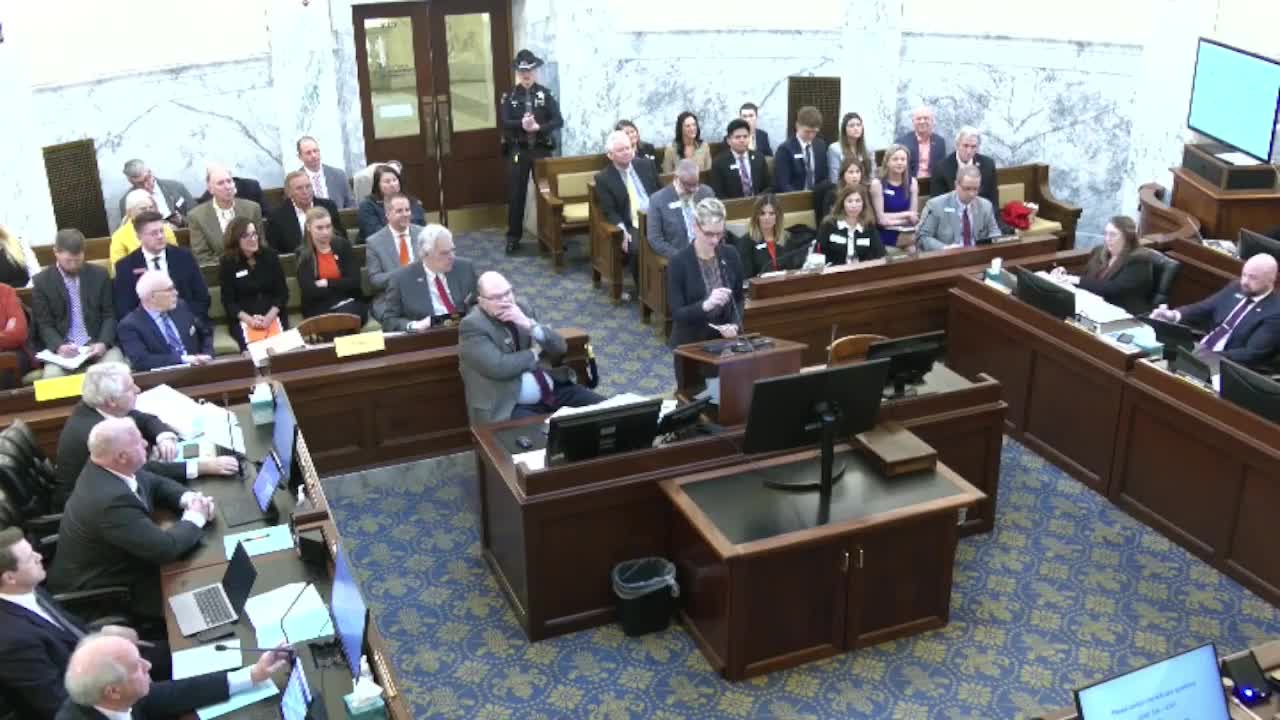
Boise State University President Marlene Tromp told the Joint Finance‑Appropriations Committee on Jan. 29 that 1,300 students are enrolled in the state LAUNCH program at Boise State, reiterated the university’s commitment to student success and defended the use of non‑taxpayer funds to mount a legal defense in a recent lawsuit.
Tromp, joined by campus leaders including Provost John Buckwalter and CFO Alicia Esti, said the university spent about $1.5 million on the defense, paid from non‑taxpayer sources through Idaho Risk Management, and does not expect a large additional cost from an appeal. “We used only non taxpayer funds to support the defense of that lawsuit,” Tromp said.
On academic and student‑support issues, Tromp and Kevin Campbell (LSO) provided a budget overview: Boise State serves more than 27,000 students, personnel costs represent about 81.8% of expenditures, and the university’s base budget is roughly $294.4 million. Tromp said Boise State operates under a responsibility‑centered management model and has reduced administrative costs per student while improving graduation rates over the past five years.
Tromp also reviewed changes to campus support services contested in the Legislature. Asked about diversity, equity and inclusion offices and staff reductions made over recent years, she said Boise State reduced direct DEI staff from eight to five and “has been really thoughtfully dedicated” to student success work. Tromp said some programs (she noted the BUILD program) closed in October 2024 and that the university has shifted toward student‑success models after studying centers across the country.
On the Institute For Advancing American Values, Tromp said the center is designed to “bring in a wide variety of voices to the campus so that it’s not a one‑sided narrative.” She cited programs such as Idaho Listens, which brings community conversations to different parts of the state, and said faculty and student government have adopted commitments consistent with free‑speech principles (the Chicago Principles).
Committee members asked whether courses on gender or diversity remain required. Tromp said UF‑100 and UF‑200 are required general‑education courses, but students select sections and “no student has to take that [gender] class,” adding later, “No. A gender class is not required.” She said the university will ensure compliance with state law and provide written assurance to the committee about course compliance with Idaho’s dignity and nondiscrimination statutes.
Tromp fielded questions about federal grant pauses. She said Boise State carefully reviewed federal guidance during a recent pause on certain federal funding and worked with state officials to assess potential exposure; she noted the court injunction paused the federal directive and that the university is monitoring impacts on research and student support programs.
On workforce needs, Tromp said Boise State would use additional state capacity funds to expand nursing, cybersecurity and engineering programs. She said the university can grow nursing graduations, expand computer‑science offerings and support rural businesses through the Cyberdome program.
The committee did not vote on any budget items during the presentation; members requested written follow‑up on lawsuit expenses, course listings for UF‑100/200 sections, and assurances about statutory compliance.