Get Full Government Meeting Transcripts, Videos, & Alerts Forever!
Get email alerts on the Unemployment Insurance topic
No spam. Unsubscribe anytime.
Idaho Department of Labor requests $7.3 million in dedicated funds to shore up unemployment operations
Summary
The Joint Finance-Appropriations Committee heard the Idaho Department of Labor request an increase in dedicated-fund spending authority—$7,330,000—to sustain unemployment insurance operations as federal grants from the pandemic era decline.
The Joint Finance-Appropriations Committee heard the Idaho Department of Labor request an increase in dedicated‑fund spending authority to sustain core unemployment insurance operations as federal pandemic grants taper.
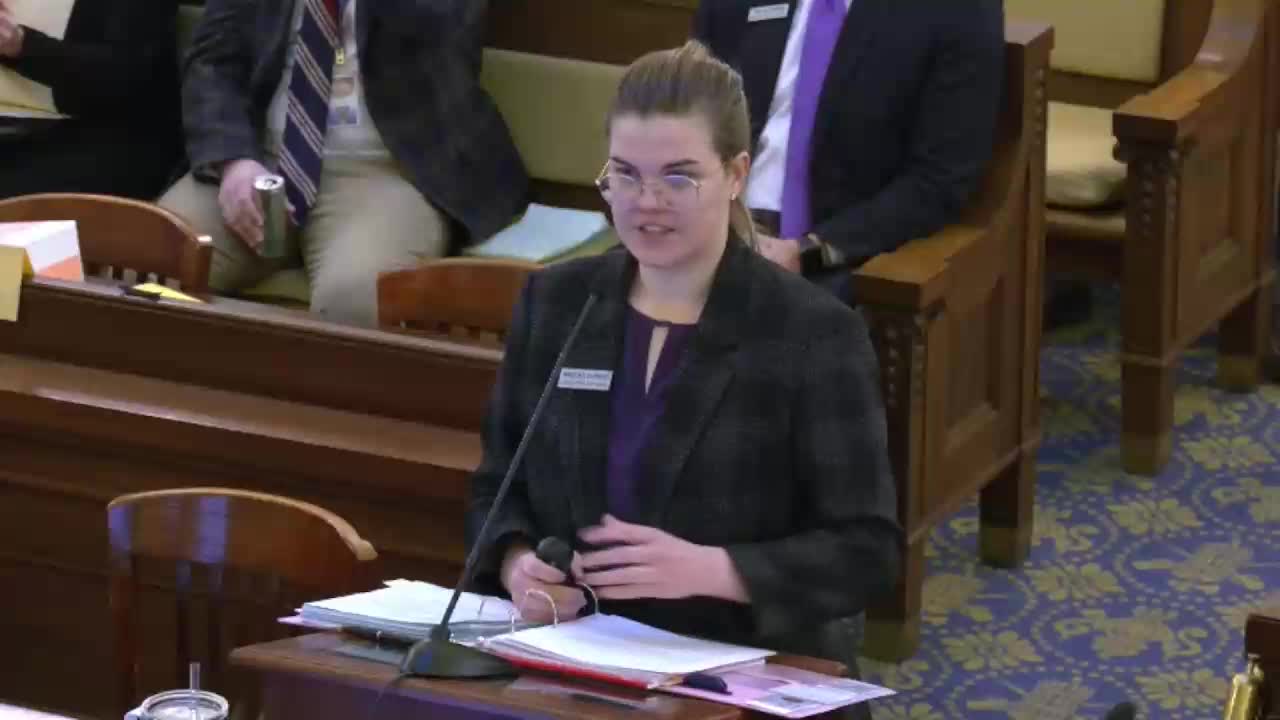
Brooke Dupree, budget and policy analyst with the Legislative Services Office, presented the Department’s materials and highlighted a requested $4,868,600 cash transfer from the unemployment penalty and interest fund into the employment security fund for fiscal year 2026 to correct a prior over‑transfer. Dupree also summarized a $7,330,000 ongoing enhancement the agency seeks in its dedicated funds to offset lower federal grant revenue available for unemployment insurance operations.
Janie Rivera, director of the Idaho Department of Labor, told the committee the federal‑state unemployment insurance program funded extraordinary staffing increases during the pandemic and that federal administrative grants have since declined. Rivera said the department uses federal funds when available but is seeking dedicated‑fund authority “so we could spend, and keep our base operations in UI and continue to do the other things that we're doing at the department with our dedicated funds.” She described the requested $7.33 million as the department’s estimate of the gap that would be created if federal grant support drops while workload and core functions continue.
Rivera reviewed how the state finances benefit payments and program administration: the department manages a continuously appropriated unemployment trust fund that the department may draw on to pay benefits and maintain operations; that trust has ranged from about $69.7 million in lower years to $202 million during the 2020 COVID spike. She told the committee Idaho currently projects a “very solvent trust fund” and that, if funds were exhausted in a severe downturn, options include federal loans or issuing bonds; she said the department would not seek general fund relief in such an event.
Committee members asked for staffing and expenditure detail. Rivera said the department staffed up during the pandemic by more than 100 positions to adjudicate claims and answer questions; much of the ongoing staffing level is tied to business growth and compliance work (the number of taxable businesses rose from about 54,000 to about 86,000 since her earlier tenure). The department said it would provide precise counts of baseline staff, pandemic hires, and current filled positions to the committee.
Additional specifics presented: the department noted a fiscal‑year 2026 request for $161,000 in OITS‑recommended hardware (70 laptops and docking stations and 70 desktops), and cited code provisions that set the unemployment tax formula and duration of benefits. Rivera explained current benefit duration is indexed to the unemployment rate (21 weeks at 3.7 percent unemployment, with statutory minimum and maximum levels), and said average weekly benefit amounts are roughly in the low‑hundreds (agency figure given on the record as about $434).
The agency’s requests were recommended by the governor in the legislative budget book. The committee did not take an immediate vote; members asked for follow‑up on staffing numbers and for a clearer description of how federal grant declines drive the requested dedicated‑fund authority.